
On Sullivan’s Island, thoughtful upgrades can do more than refresh a home’s appearance: they can help protect its function, document responsible ownership, and support long-term market appeal. The strongest improvement plans balance coastal durability, permitting, drainage, architectural character, and the details buyers often review closely during due diligence.
Start With the Coastal Conditions That Affect Every Home
Salt air, humidity, wind exposure, shifting sand, intense sun, and heavy rain are not occasional considerations on Sullivan’s Island—they are part of everyday property ownership. A successful upgrade plan begins with an honest assessment of how those conditions affect the home’s exterior, systems, and site. Cosmetic projects still matter, but the work that preserves value often starts behind the finish materials: roof connections, drainage paths, exterior fasteners, moisture management, and protected mechanical equipment.
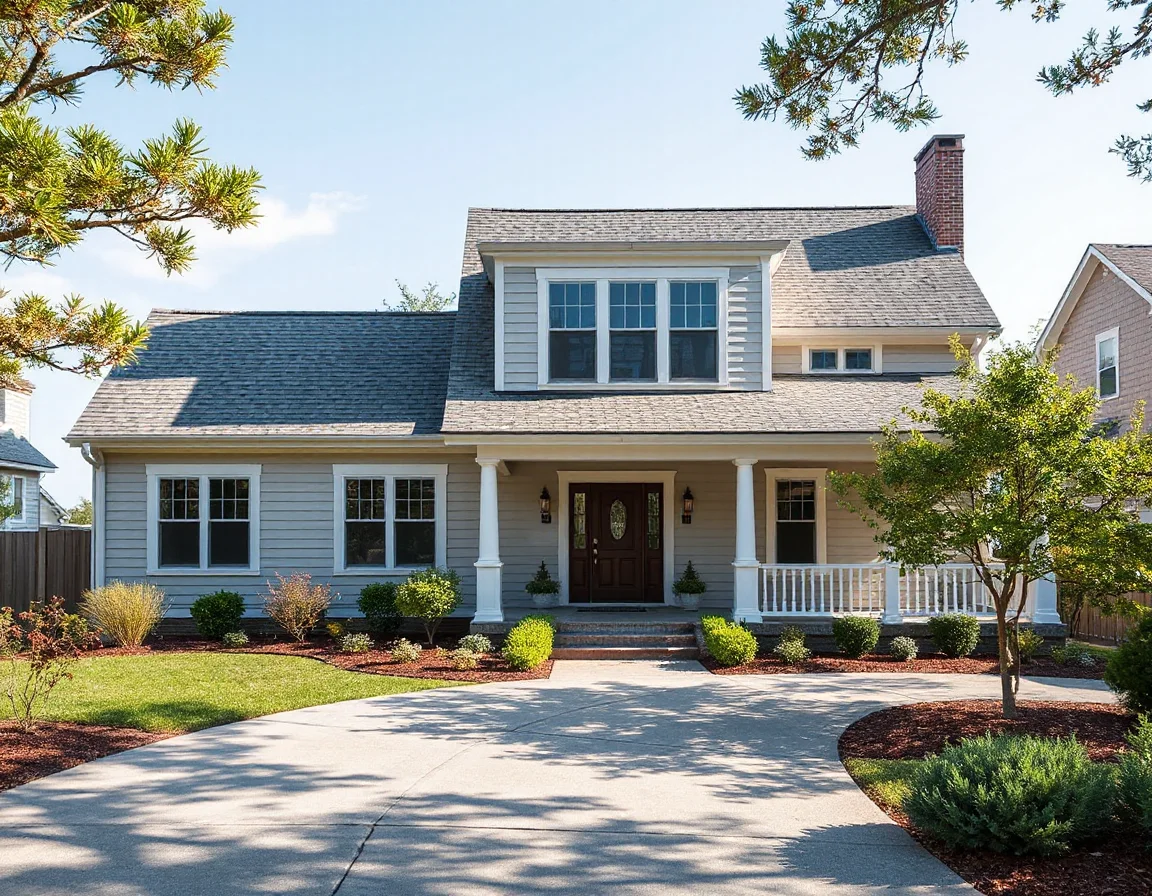
Before selecting materials or scheduling contractors, owners may benefit from a professional review of the home’s roof, exterior cladding, windows, doors, decks, railings, crawlspace or enclosure areas, and water-management features. The goal is not to overbuild for every possible event. It is to understand current conditions and choose improvements that are appropriate for the home’s age, location, construction, and maintenance history.
Durability is often visible in the details. Corrosion-resistant hardware, properly flashed openings, maintained sealants, quality coatings, and carefully selected exterior materials can help a property present as consistently cared for. When replacement is needed, choosing products rated for coastal conditions may offer a practical advantage over lower-cost materials that require frequent repair in a salt-air environment.
Documentation matters as much as the project itself. Keep permits, contractor invoices, product warranties, inspection records, photographs of work in progress, and maintenance schedules in one organized file. During a future sale, those records can help explain what was done, when it was completed, and how the property has been maintained.
A well-organized upgrade file can be especially useful when buyers are comparing similar coastal homes with different maintenance histories, insurance information, or renovation records.
Protect the Exterior Envelope Before Chasing Trends
The exterior envelope is the home’s first line of defense against water and wind. Roof condition, flashing, siding transitions, window and door seals, vents, and exterior penetrations all deserve regular attention. Small points of failure can become more expensive when moisture travels behind cladding or into framing, so preventive maintenance is often one of the most value-conscious investments an owner can make.
Windows and doors are another area where function and appearance meet. Impact-rated or storm-ready products, where appropriate for the property and local requirements, may improve weather performance while also updating sightlines and operation. The right choice depends on the opening, the home’s design, applicable code requirements, and whether a property has historic or architectural review considerations. A knowledgeable contractor and local design professional can help owners evaluate options without losing the home’s original character.
Porches, stairs, decks, and railings also warrant close review. These areas receive direct exposure to moisture and sun, and they are among the first features visitors notice. Replacing deteriorated boards, reinforcing connections, refreshing protective finishes, and improving drainage around support areas can make an outdoor space feel more polished while addressing practical maintenance needs.
For homes with classic Lowcountry proportions, the best results are often restrained. A porch ceiling, shutter profile, roofline, railing pattern, or exterior color palette can contribute to a cohesive presentation when it fits the home rather than competing with it. Buyers of distinctive island properties frequently respond to design choices that feel intentional and durable instead of overly temporary.
Explore Sullivan’s Island real estate
Make Water Management a Priority on the Property
Water should move away from the structure in a controlled, intentional way. Gutters, downspouts, grading, swales, drainage inlets, and permeable landscape areas all play a role in how a site performs during rain. Because site conditions vary from one property to another, it is wise to have drainage concerns evaluated rather than assuming a surface-level fix will solve the underlying issue.

Landscaping can support both curb appeal and practical site management. Native or salt-tolerant plant selections, mulched beds, carefully positioned hardscape, and thoughtfully maintained trees can create an attractive setting without placing unnecessary demands on the property. Before removing mature vegetation or making major changes to the site, owners should verify applicable local rules and consult qualified professionals where needed.
Mechanical equipment deserves similar consideration. Elevating or protecting equipment when appropriate, maintaining condensate lines, checking exterior electrical components, and ensuring service access can reduce surprises later. If generators, irrigation equipment, outdoor kitchens, pools, or other amenities are part of the property, clear service records and current inspections can strengthen the overall story of stewardship.
Flood-related and insurance-related questions are common in coastal transactions. Rather than making assumptions about coverage, elevation, mitigation, or future premiums, owners should retain relevant policy documents, elevation certificates when available, and records of completed mitigation work. A prospective buyer’s lender, insurer, inspector, and other advisors will each have their own role in evaluating the property.
Drainage improvements are most effective when they are designed as a connected system—from roof runoff to final discharge—rather than as isolated fixes added after each storm.
Choose Interior Improvements That Respect the Setting
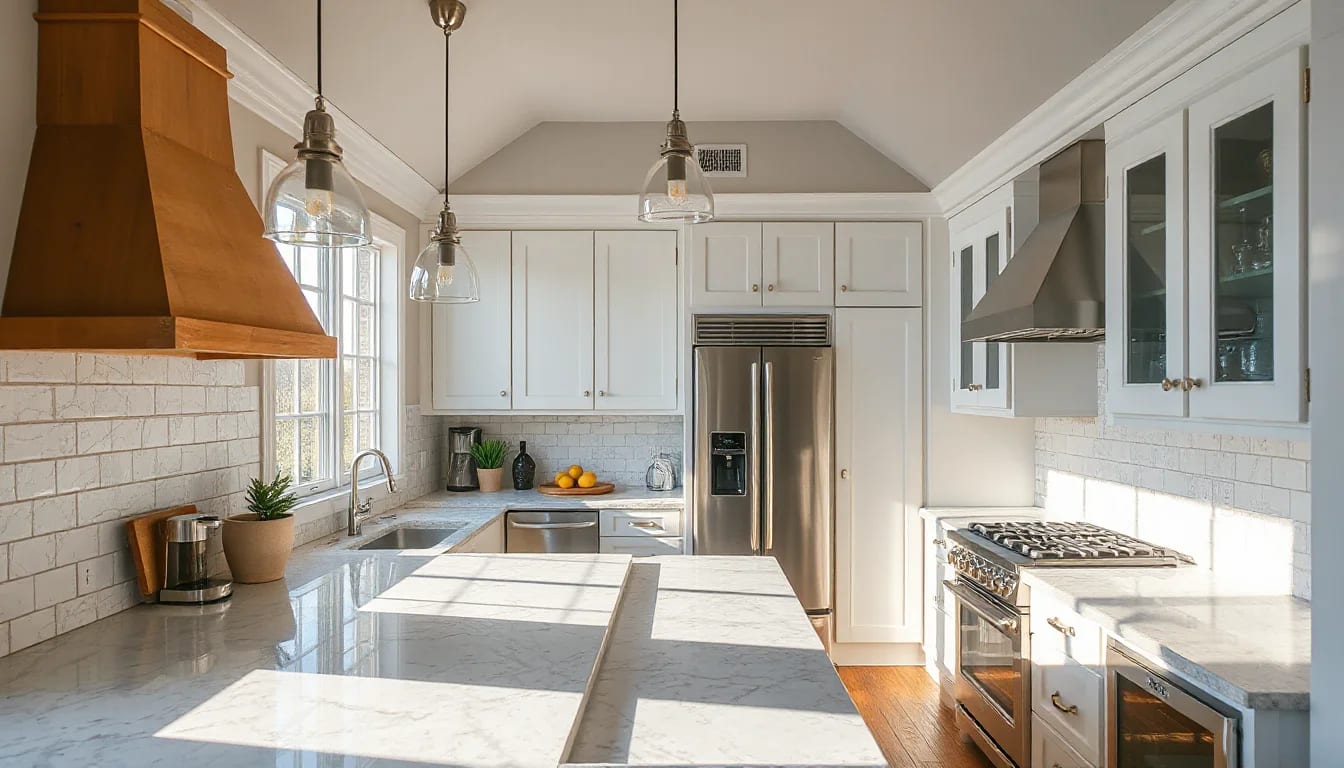
Interior upgrades can help a Sullivan’s Island home feel current without disconnecting it from its coastal setting. Kitchens and baths remain high-impact spaces, but the best plans begin with function: durable flooring, ventilation, sensible storage, moisture-resistant finishes, efficient lighting, and fixtures that are easy to maintain. Natural materials, calm finishes, and well-proportioned cabinetry often age more gracefully than highly specific design trends.
For older homes, preserving appealing original features can be just as important as introducing new ones. Wood detailing, historic proportions, distinctive doors, and character-rich millwork may be part of what gives a property its market identity. Renovations should aim to improve daily usability while respecting the elements that make the home recognizable and authentic.
Energy and comfort upgrades can also be worth evaluating. Sealing and insulating where appropriate, maintaining HVAC systems, adding smart humidity monitoring, upgrading lighting, and selecting efficient appliances can support year-round performance. Any work affecting ventilation, electrical systems, plumbing, or structural components should be planned with licensed professionals and applicable permits in mind.
It is helpful to think in terms of a phased plan. Addressing weather protection, water management, and major deferred maintenance first may create a stronger foundation for later kitchen, bath, or decorative projects. This approach can make spending more deliberate and help owners avoid installing beautiful finishes before resolving the conditions that could compromise them.
Prepare for the Future With a Clear Ownership Story
Coastal value is rarely about one dramatic improvement. More often, it reflects a pattern of smart decisions: maintenance completed on schedule, upgrades selected for the environment, design choices that suit the home, and records that make the property easier to understand. When it is time to sell, this history can help a home stand apart from comparable listings that offer less clarity about condition and care.
A local real estate professional can help owners prioritize improvements based on current competition, buyer expectations, property type, and timing. Not every project produces the same return, and a tailored pre-sale review can help distinguish necessary repairs from optional enhancements. On an island where architecture, setting, and resilience all matter, the right plan is usually specific to the property—not a generic checklist.
Whether the next step is a targeted maintenance project or a larger renovation, focus on work that makes the home more durable, easier to maintain, and more coherent from the street to the interior. Those are improvements that can serve the current owner well while supporting a confident presentation in the future.