
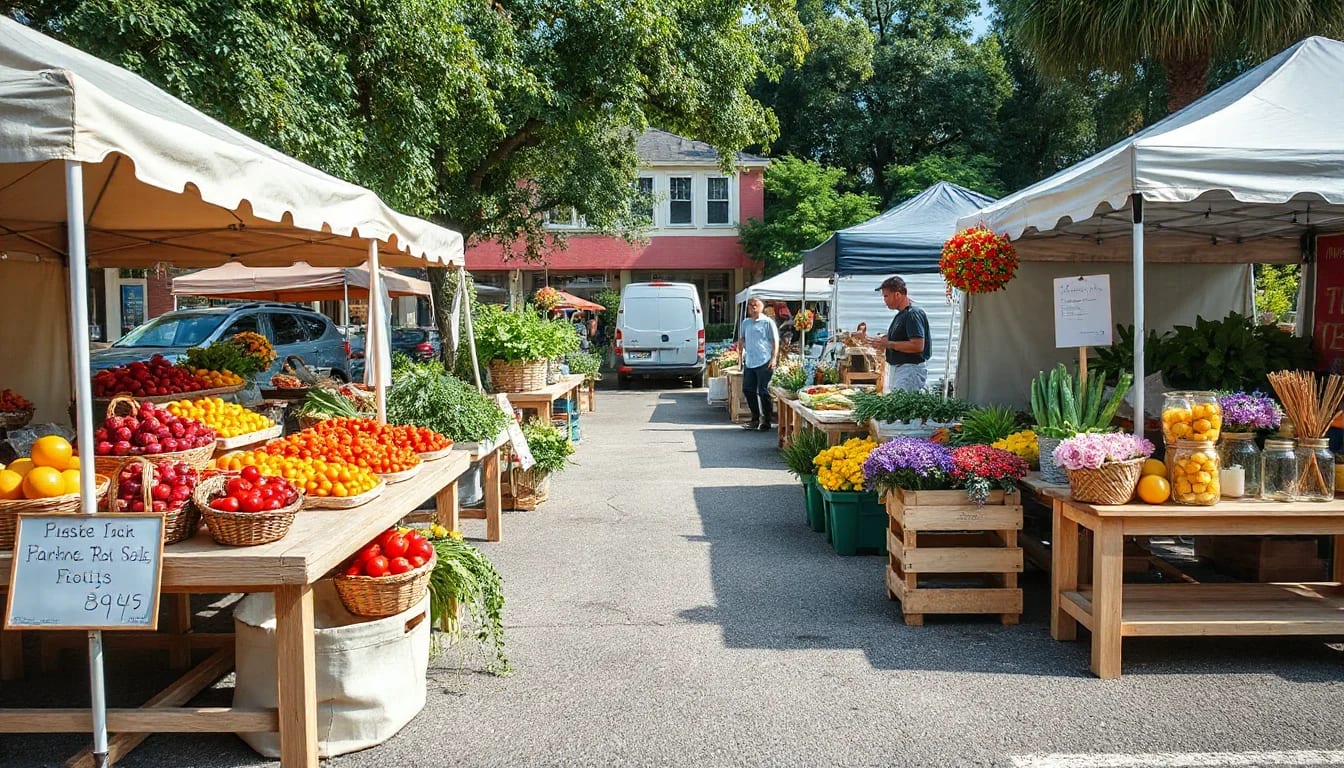
Charleston’s event calendar offers more than a reason to spend an afternoon out—it is a useful window into how different parts of the Lowcountry connect to waterfronts, parks, historic streets, arts venues, and everyday gathering places. From seasonal food events to outdoor performances and neighborhood celebrations, these experiences can help home buyers understand the rhythm and amenities of an area before making a move.
A Local Calendar That Tells a Bigger Story
Charleston is known for historic architecture, tidal waterways, coastal views, and a lively cultural calendar. Community events bring those elements together in a way that a map or listing photo cannot always capture. An afternoon festival might introduce visitors to a public green space, a waterfront promenade, or a walkable corridor lined with galleries and local businesses. A concert series may reveal how residents use a park after work, while a seasonal market can highlight the regional foodways that shape the Lowcountry.
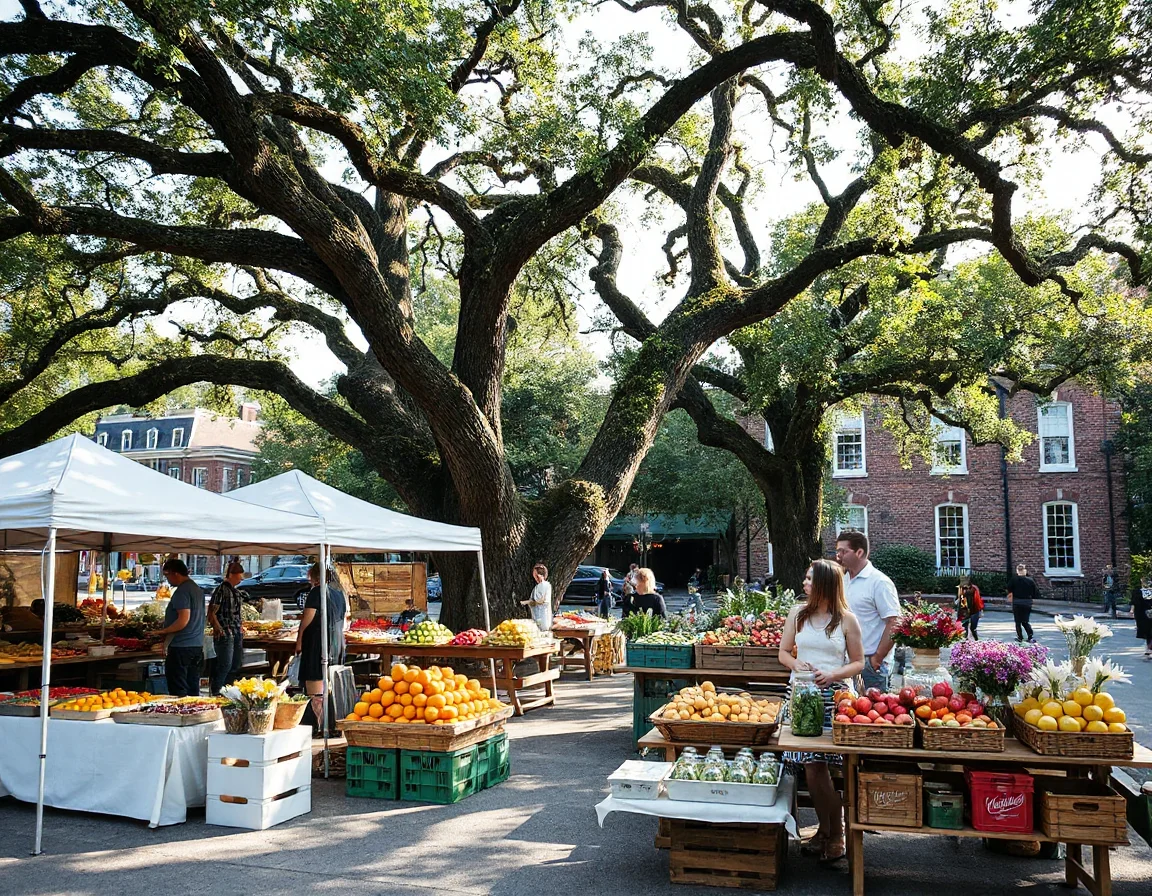
For people exploring Charleston real estate, attending a few events can be a practical part of the research process. It creates an opportunity to observe parking patterns, pedestrian activity, access to public spaces, and the transition from daytime to evening. These details are particularly useful when comparing a historic peninsula address with a home in Mount Pleasant, a waterfront property near the harbor, or a residence farther inland.
The city’s calendar changes with the seasons. Spring often brings outdoor art displays, garden-focused programming, music, and food-centered gatherings. Summer adds warm evenings by the water, baseball, concerts, and community celebrations. Fall is filled with cultural festivals and touring events, while winter offers holiday markets, light displays, and performances. Each season offers a different perspective on Charleston’s public spaces and the local businesses that support them.
A community event can help you evaluate more than entertainment options: notice travel time, shade, sidewalks, public restrooms, nearby parking, and how easily the setting connects to the places you visit most often.
These experiences also show why amenities matter in real estate. A nearby park, marina, performance venue, or public waterfront is not simply a point on a brochure. It can become part of a weekly routine, a place to meet friends, or a convenient setting for an unplanned evening outdoors. The value is personal, but the ability to see an amenity in use makes it easier to compare locations with confidence.
Waterfront Events and the Lowcountry Landscape
Charleston’s relationship with water is central to local life. The harbor, rivers, creeks, marshes, and nearby beaches create settings for sailing regattas, waterfront walks, fishing events, paddle outings, and public celebrations. Even when an event is not centered on boating, the water often shapes the experience through breezes, views, changing light, and access to scenic paths.
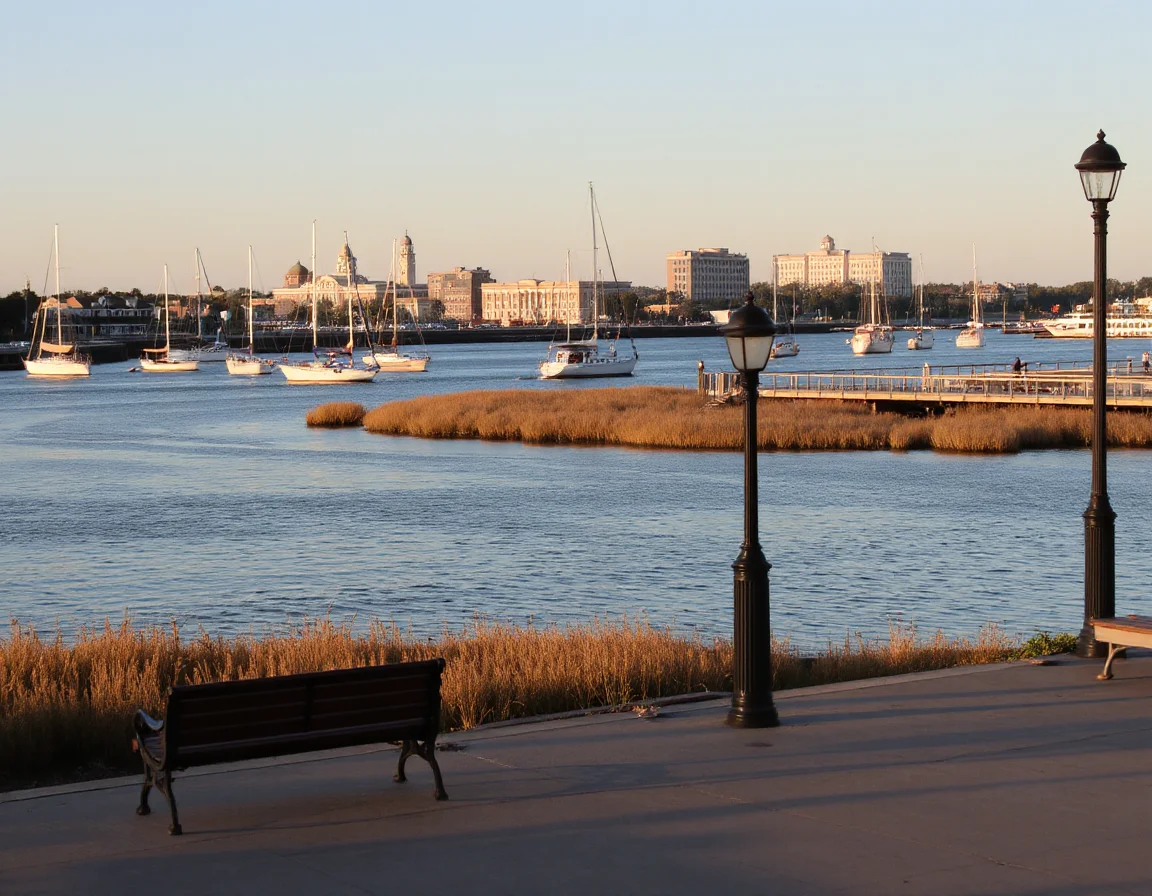
Waterfront programming is especially useful for learning how an area functions beyond a single home tour. Consider the route to the event, the availability of docks or public overlooks, and the condition of walking paths after a rain. In coastal South Carolina, buyers also benefit from asking informed questions about flood zones, insurance, drainage, elevation, maintenance, and access. A beautiful view is one part of the decision; the property’s practical relationship to its environment matters just as much.
For those interested in luxury homes, historic residences, luxury condos, or waterfront real estate, events near the harbor and surrounding waterways can provide a clearer sense of the setting around a property. Some locations feel closely connected to active public spaces, while others offer a more tucked-away setting with direct views of marshland, creeks, or open water. Neither approach is universally better; the right fit depends on how a buyer plans to use the home and surrounding amenities.
Explore waterfront Charleston listings
It is also worth returning to an area at more than one time of day. A morning visit may reveal boating traffic and commuter routes, while an early evening event can show how a waterfront district feels when people gather for music, food, or a sunset walk. That broader context can be especially valuable when weighing the tradeoffs between a panoramic water view, proximity to public access, and the conveniences of a more central location.
Historic District Programming Brings Place Into Focus
Charleston’s historic areas offer an especially layered event experience. Preservation tours, house and garden programs, gallery walks, lectures, outdoor performances, and seasonal celebrations give visitors a chance to see historic streets in motion. The appeal is not limited to architecture; it is the combination of mature landscaping, distinctive materials, public squares, cultural institutions, and routes that connect one block to the next.
A historic home may carry a remarkable sense of place, but ownership can involve considerations that differ from those of newer construction. Event weekends are a good time to observe street access, visitor activity, parking availability, and the pace of the surrounding blocks. Buyers should also review any applicable historic-district guidelines, renovation requirements, property condition, and maintenance expectations before moving forward with a purchase.
Downtown Charleston programming often makes it easier to explore several amenities during one outing. A visitor might begin at a museum or public garden, continue through an open-air gathering, and end the day along the waterfront. That ability to experience multiple destinations on foot is an important feature for many buyers, particularly when comparing condominium living, townhomes, and historic single-property residences near the peninsula.
When attending a popular event, use the trip as a real-world location test: arrive by the route you would normally take, allow time for parking, and walk the blocks surrounding the homes or buildings on your shortlist.
Search Downtown Charleston listings
Using Events as Part of a Thoughtful Home Search
Community events should not replace professional due diligence, property inspections, or market analysis. They can, however, add useful perspective to the home search. A listing provides facts about square footage, finishes, lot size, and features. A local event provides a feel for access, activity, public amenities, and the way an area comes together over time.
Before attending, make a simple plan. Choose one or two neighborhoods or destinations to explore, save parking options, and leave time to walk nearby streets. Notice the practical details: tree cover, sidewalks, traffic flow, waterfront access, nearby recreation, and the distance to services that matter to you. If a particular home type has caught your attention—such as a historic property, luxury condo, country club residence, or waterfront home—compare several locations rather than relying on one visit.
Charleston’s calendar is ultimately an invitation to look beyond the front door. Whether the day involves a waterfront concert, a garden tour, a local arts event, or a seasonal gathering beneath the oaks, each outing offers another layer of insight into the Lowcountry. With a little planning, these shared moments can help turn a broad search area into a more informed, personal shortlist of places to explore further.