
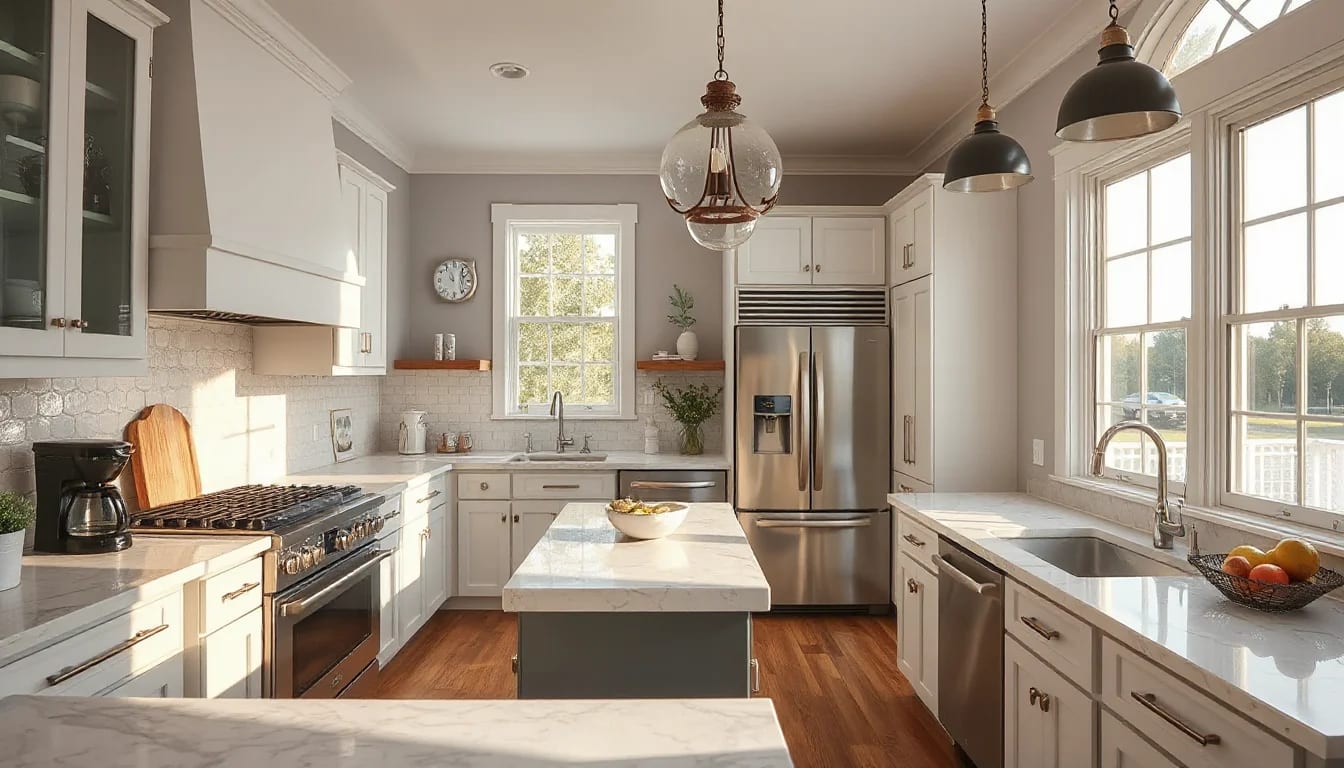
Coastal living brings beautiful views, ocean breezes, and a maintenance calendar that deserves just as much attention as a renovation plan. A thoughtful approach to roofs, exterior finishes, drainage, HVAC equipment, and outdoor spaces can help Isle of Palms property owners protect comfort, reduce surprise repairs, and preserve long-term market appeal.
Start With the Coastal Envelope
Salt air, humidity, wind-driven rain, and intense sunlight all place steady pressure on a home’s exterior. On Isle of Palms, preventative maintenance is not simply a matter of curb appeal; it is one of the most practical ways to protect the systems that keep a property dry, comfortable, and resilient. A consistent inspection routine also makes it easier to spot small changes before they become larger projects.
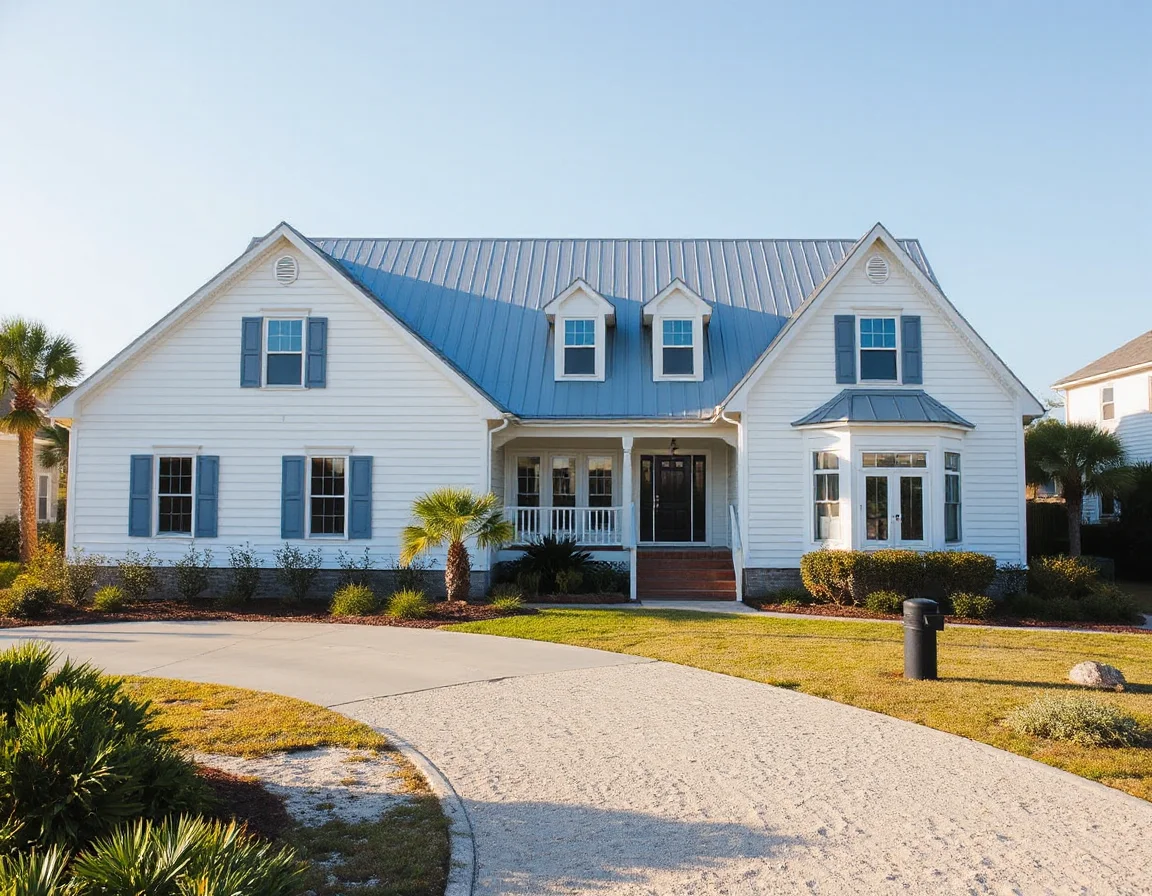
Begin with the roofline. Look for loose flashing, lifted shingles, worn sealant around penetrations, clogged gutters, and debris collecting in valleys. Even a minor opening can allow moisture to travel into framing, insulation, or ceilings. Scheduling a professional roof review after severe weather, as well as at regular intervals, gives owners a clear record of the home’s condition and a practical list of priorities.
Siding, trim, railings, fasteners, and window seals deserve the same attention. Coastal exposure can accelerate corrosion and wear, especially where different materials meet. Rinsing exterior surfaces with fresh water, touching up protective coatings, and replacing compromised caulk can extend the life of finishes while keeping the home looking carefully maintained. For elevated homes, include stair systems, under-home enclosures, lattice, and structural connections in each inspection.
A seasonal exterior walk-around can catch peeling paint, rusted hardware, soft trim, and drainage issues while they are still manageable maintenance items rather than major repairs.
Documentation matters, too. Keep invoices, inspection notes, product warranties, and before-and-after photos in one digital folder. If you decide to sell later, an organized maintenance history can help demonstrate that important systems received ongoing attention. It also gives contractors useful context when they evaluate a future repair or improvement.
Manage Water Before It Reaches the Structure
Water management is among the most valuable maintenance priorities for coastal property. Rain does not need to arrive with a named storm to expose a weak point: overflowing gutters, sloped soil, blocked drains, and deteriorated sealant can all direct water toward places it does not belong. The goal is straightforward—move water away from the house efficiently and keep moisture from lingering against building materials.
Check that gutters and downspouts are securely attached and discharge away from the foundation or pilings. Review grading around ground-level areas, outdoor showers, patios, and driveways so runoff does not pool near the structure. If your home has a crawlspace, enclosure, or lower-level storage area, monitor it for standing water, musty odors, and signs of condensation. A qualified local professional can recommend drainage improvements that fit the site and applicable requirements.
Windows and doors should be reviewed from both inside and outside. Look for cracked caulk, worn weatherstripping, sticking locks, damaged screens, or staining on surrounding trim. These details affect comfort and energy use, but they can also signal a need for more thorough evaluation. When replacing components, choose products and installation methods appropriate for the home’s exposure, design, and local building standards.
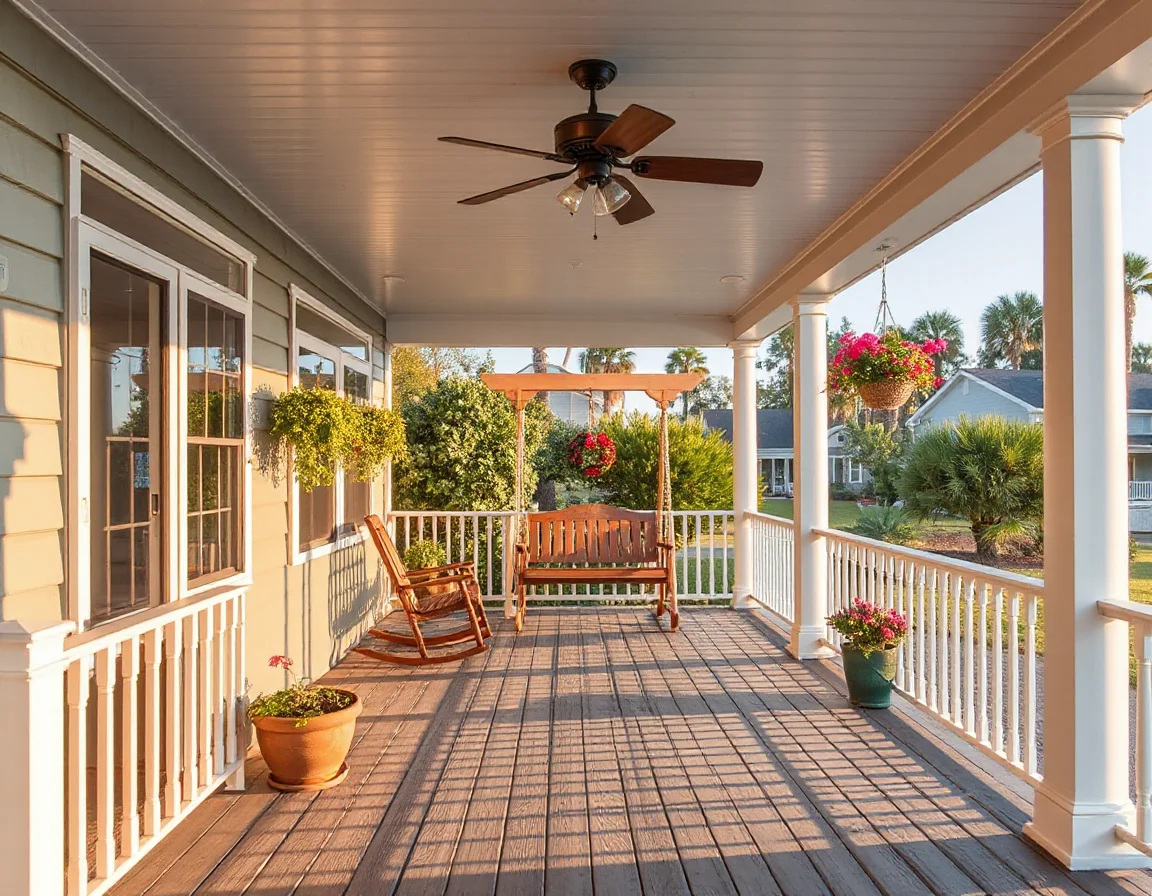
Decks are another frequent focus. Inspect boards for cracking or softness, test railings for stability, and review ledger connections, fasteners, stairs, and lighting. Coastal decks benefit from regular cleaning and protective treatment as recommended for the material. Whether the surface is wood, composite, or another product, following the manufacturer’s care instructions can help preserve appearance and performance.
Give Mechanical Systems a Salt-Air Strategy
Heating and cooling equipment works hard in the Lowcountry’s warm, humid conditions, and outdoor components can be particularly vulnerable to salt exposure. Routine service is an investment in both everyday comfort and equipment longevity. Rather than waiting for a system to fail during a hot stretch of weather, set recurring service appointments and ask the technician to review corrosion, drainage, electrical connections, and airflow.
Replace filters on the schedule recommended for your equipment and household conditions, keep vegetation and debris away from outdoor units, and make sure condensate lines are flowing properly. A blocked line can create moisture problems indoors, while restricted airflow can force the system to work harder than necessary. Dehumidification, insulation, and properly sealed ductwork can also make a meaningful difference in interior comfort.
Plumbing deserves its own checklist. Inspect visible supply lines, shutoff valves, water-heater connections, and hose bibs for leaks or corrosion. If the property is vacant for a period, consider a plan for checking interior conditions, monitoring humidity, and responding quickly to a leak or power interruption. Smart leak detectors and monitored systems may offer an additional layer of awareness, but they work best alongside regular in-person maintenance.
Electrical panels, exterior fixtures, garage equipment, and irrigation controls should be evaluated by licensed professionals when concerns arise. Corrosion at connections is not a do-it-yourself detail to overlook. Keeping systems current, clearly labeled, and professionally maintained supports safer operation and can make future improvements easier to plan.
Maintain Outdoor Areas With Durability in Mind
Outdoor spaces are a major part of the Isle of Palms experience, from screened porches and pool patios to shaded yards and waterfront-facing decks. Their appeal is strongest when materials, landscaping, and drainage work together. Instead of treating exterior upgrades as purely decorative, choose durable features that simplify upkeep and complement the property’s setting.
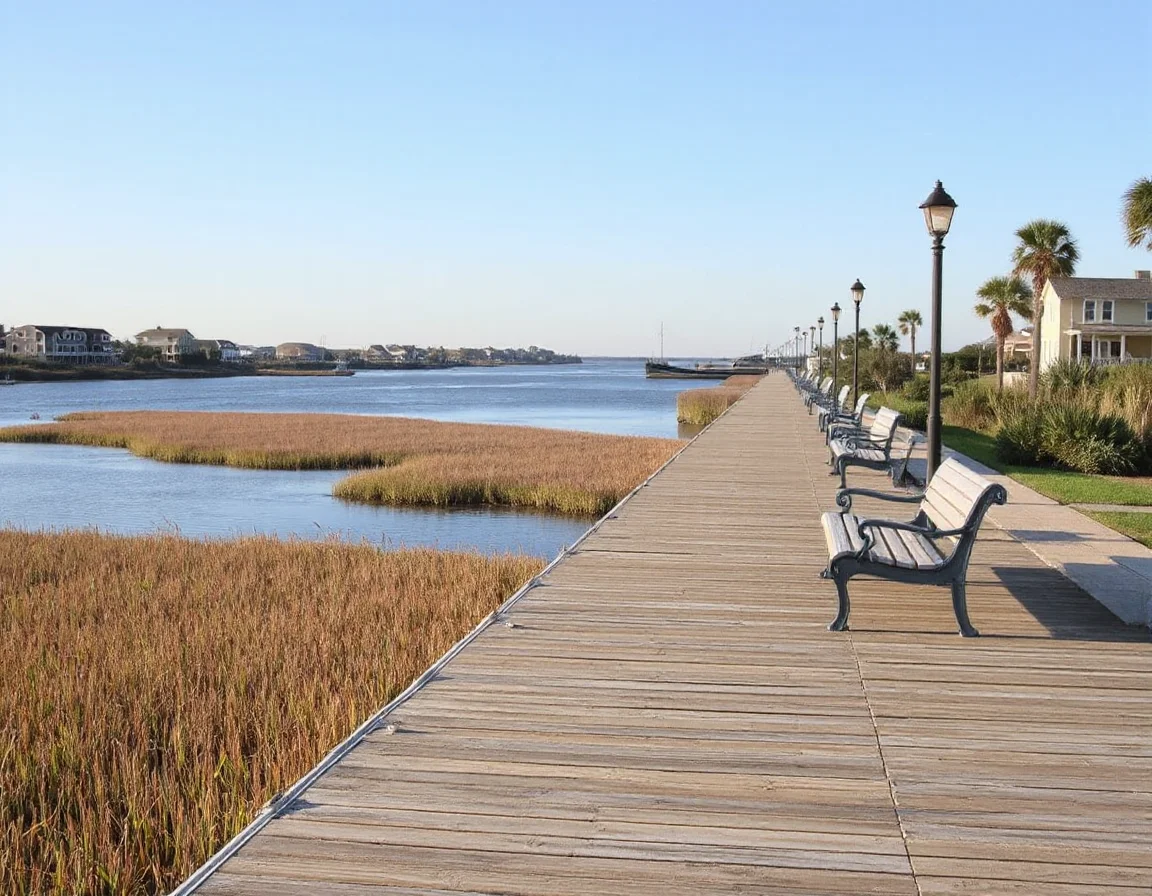
Native or climate-appropriate plantings can help reduce the demands of irrigation while adding texture and seasonal color. Keep limbs trimmed away from roofs and siding, remove dead growth promptly, and make sure planted beds do not trap moisture against the house. For irrigation systems, periodically inspect heads, timers, and lines so water is reaching landscaping rather than driveways, decks, or foundations.
Pool equipment, outdoor kitchens, fencing, gates, and dock-related features each have their own maintenance needs. Clean and inspect these elements according to manufacturer guidance, and use qualified specialists for structural, marine, electrical, or gas-related work. If a project affects shoreline features or requires permits, confirm current local requirements before work begins.
There is also value in planning ahead for storm season. Review insurance documents, photograph key exterior conditions, secure loose outdoor items when severe weather is forecast, and keep a current list of contractors and service providers. Preparedness is not about predicting every event; it is about making the next decision easier when conditions change quickly.
Protect Value Through Consistent Care
Well-maintained coastal homes tend to communicate a clear message: the property has been cared for with intention. Fresh exterior finishes, functioning systems, clean drainage paths, and well-kept outdoor areas can improve daily enjoyment while helping preserve the details buyers notice during a future showing. The strongest results usually come from steady maintenance, not a last-minute rush before listing.
For owners considering a sale, begin the conversation early. A local real estate professional can help identify repairs or updates that may be worth addressing before photography, marketing, and showings begin. The right preparation plan should reflect the home’s condition, architectural style, location, and current market context rather than a one-size-fits-all checklist.
Coastal ownership comes with responsibilities, but it also offers an opportunity to care for a home in ways that preserve its character over time. With a seasonal checklist, trusted specialists, and a practical focus on moisture, materials, and mechanical systems, Isle of Palms property owners can make maintenance a confident part of protecting long-term value.