
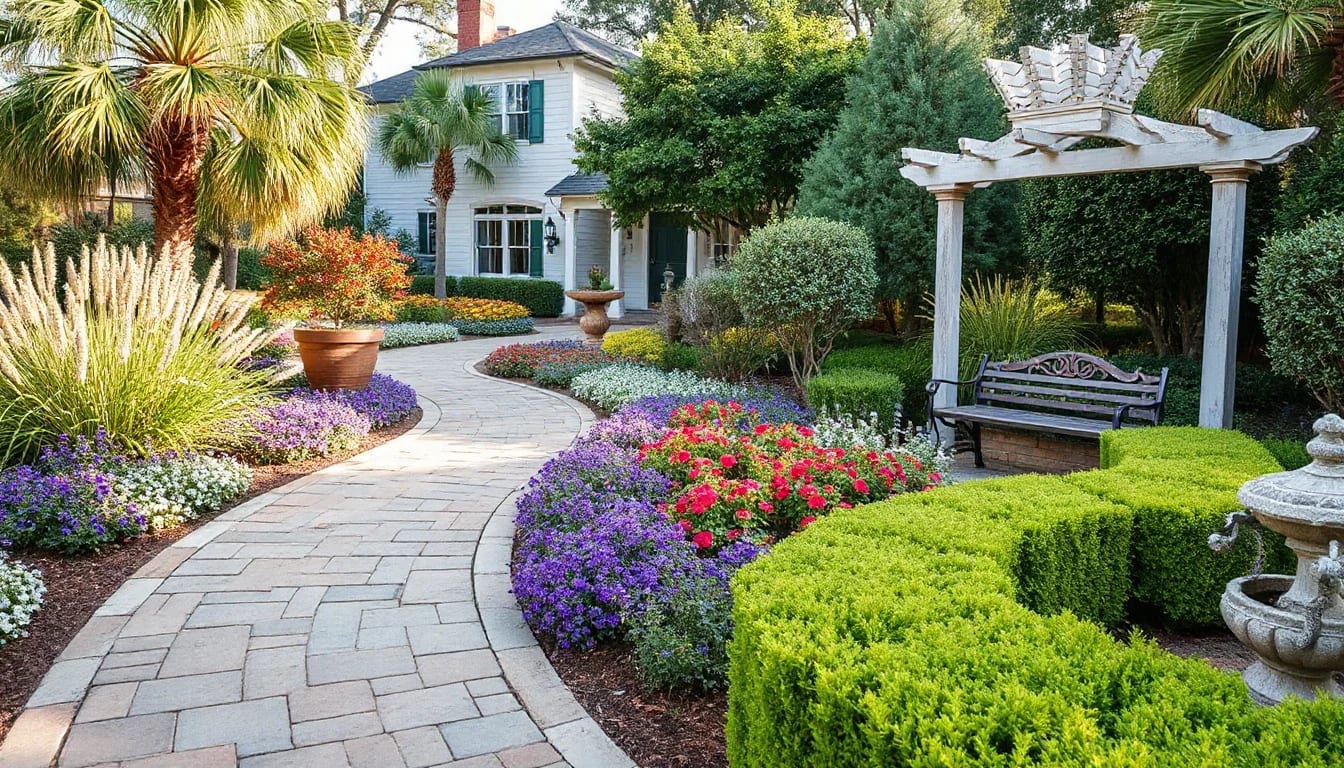
A standout Daniel Island Park listing begins long before photography day. Thoughtful preparation helps buyers understand the home’s setting, craftsmanship, outdoor spaces, and everyday functionality from the moment they see it online. The goal is not to reinvent your property; it is to present its best details with clarity, confidence, and polish.
Start With the Story Your Home Already Tells
Daniel Island Park homes often make an impression through a combination of architectural detail, landscaped outdoor areas, golf or water views, porches, and carefully planned interiors. Before choosing paint colors or moving furniture, take a measured walk through the property as if you were seeing it for the first time. Notice what draws the eye at the entry, where natural light changes during the day, and which spaces create the strongest connection between indoors and out.
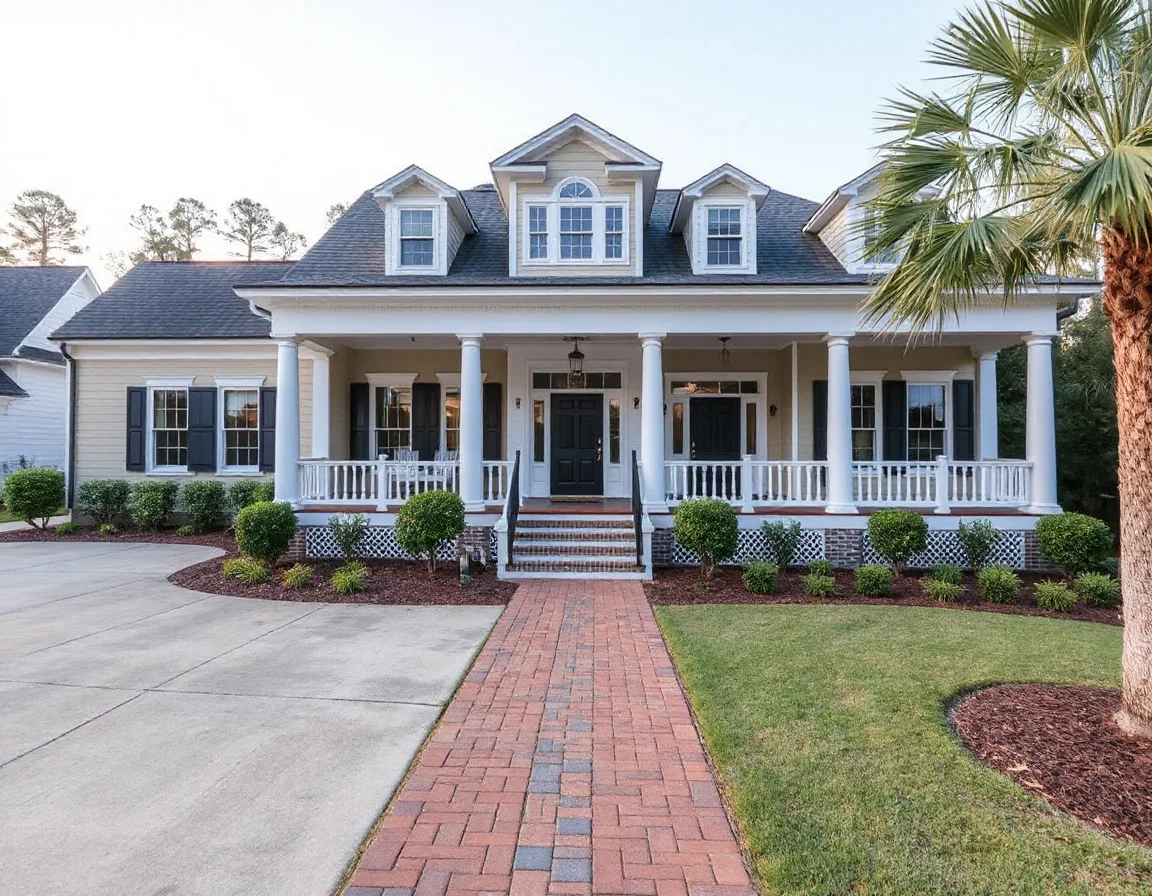
Lead with the property’s most memorable assets. That may be a gracious front porch, a quiet courtyard, a well-designed kitchen, an elevated view, or a flexible room that works equally well for work, hobbies, or guests. A strong listing is easier to understand when each room has a clear purpose and the visual sequence feels intentional. Remove excess furniture that interrupts circulation, but avoid making rooms feel sparse or anonymous.
On the exterior, focus on the details that signal care: refreshed mulch, edged planting beds, clean windows, pressure-washed walkways, trimmed shrubs, and a front door that looks freshly maintained. Charleston’s coastal climate can leave pollen, salt residue, and moisture marks on surfaces, so a detailed cleaning can make a significant difference in photography and in-person showings. If your home has shutters, gates, railings, outdoor lighting, or visible HVAC equipment, include those items in the preparation plan.
A buyer’s first impression often forms before they enter the house. Clean hardscaping, a tidy porch, working exterior lights, and a simple seasonal planting plan create a polished arrival without requiring a major renovation.
Preparation also means addressing deferred maintenance early. Small concerns—dripping faucets, loose cabinet hardware, damaged screens, worn caulk, or a door that sticks—can distract from larger strengths. Keep records for significant updates, including roof work, HVAC servicing, plumbing improvements, appliance replacements, or exterior projects. Clear documentation helps support informed conversations when buyers compare condition, maintenance history, and overall value.
Edit Each Interior for Light, Scale, and Function
Luxury presentation is usually less about adding more and more about editing with purpose. Begin by removing personal collections, excess countertop items, bulky storage pieces, and furnishings that block windows or architectural features. The result should still feel warm and lived-in, but visitors should be able to see the room proportions, ceiling height, flooring, millwork, and sightlines without visual clutter.
Pay particular attention to kitchens, primary suites, baths, and gathering areas, since these spaces frequently shape a buyer’s memory of a home. In the kitchen, clear counters except for a few restrained accents, polish fixtures, and make sure cabinet doors align properly. In bathrooms, fresh towels, clean grout, bright mirrors, and a simplified vanity help communicate a well-maintained space. For bedrooms, crisp linens and balanced bedside lighting photograph especially well.
Natural light deserves its own strategy. Open blinds and curtains where privacy allows, replace burned-out bulbs with matching warm-white bulbs, and clean interior window glass. A professional photographer can work with changing daylight, but preparation gives them better raw material. If a room is notably dark, consider whether a brighter lamp, a lighter accessory, or a small paint refresh will help the space read more clearly.
It can be useful to create a short feature list before the listing is written. Include less-obvious upgrades such as custom storage, gas connections, irrigation, impact-rated features, whole-home systems, built-in speakers, motorized shades, or recent landscape work. These details may not dominate a photograph, yet they can add depth to the property story and help prospective buyers recognize the investment behind the home.
Make Outdoor Living Easy to Picture
Outdoor spaces are an important part of Lowcountry living, particularly when a home includes a porch, screened area, patio, pool setting, garden, golf-course outlook, or water-oriented view. Treat these areas as rooms rather than leftover square footage. Arrange seating to show how the space can be used, clear away weathered décor and yard tools, and make sure cushions, fans, screens, and exterior fixtures are clean and in working order.

If the home has a view, plan photographs and showings around it. Trees, hedges, and planters should be maintained without over-pruning, and furniture should complement rather than obstruct the outlook. For evening appointments, test landscape lighting and replace any dim or mismatched bulbs. A welcoming exterior atmosphere can make a property feel cohesive from the front walk to the rear terrace.
When preparing pool areas, docks, or other water-adjacent features, prioritize neatness and transparency. Have service records available where relevant, secure loose items, and ensure access points are clear. Avoid over-staging; a few well-placed furnishings and clean surfaces often communicate more effectively than an elaborate setup. Buyers should be able to understand the size of the space and how it relates to the home’s interior.
For occupied homes, create a showing routine that is realistic. A simple checklist—open shades, turn on selected lamps, secure valuables, clear counters, and check outdoor areas—helps maintain a consistent presentation. The easier the process is for you, the easier it is to keep the property ready during the most active portion of the marketing period.
Use Pricing and Marketing to Support the Preparation
Presentation and pricing work together. A carefully prepared home should be evaluated against current competing listings, recent closed sales, location within Daniel Island Park, lot characteristics, condition, and the features that meaningfully distinguish it. An ambitious price without a clear market basis can reduce early momentum, while a thoughtful strategy gives qualified buyers a reason to schedule a closer look.
Professional photography, measured property details, floor plans when appropriate, and concise feature descriptions can help a listing communicate its value online. The strongest marketing does not rely on vague superlatives. Instead, it shows buyers the home’s materials, layout, setting, improvements, and outdoor amenities in a way that feels accurate and inviting. A concierge-level approach also means coordinating vendors, timing, and presentation so the process feels organized rather than overwhelming.
The first days on market are a valuable window for attention. Completing repairs, cleaning, staging, photography, and pricing decisions before launch helps the listing arrive with a consistent, credible message.
View current Daniel Island Park listings
Finally, remember that preparation is an investment in clarity. Every repaired detail, edited room, and well-kept outdoor space makes it easier for buyers to focus on what makes the property distinctive. With a practical plan and a high standard of presentation, your Daniel Island Park home can enter the market looking considered, well cared for, and ready for its next chapter.