

Buying South of Broad is an opportunity to own a piece of Charleston’s historic peninsula, but the path from contract to closing deserves careful preparation. A thoughtful inspection strategy, early insurance review, and realistic closing-cost plan can help buyers make decisions with clarity while preserving room for the character and craftsmanship that make these homes distinctive.
Start Due Diligence Before the Contract Clock Starts
South of Broad homes can pair extraordinary architectural detail with systems that have evolved over many decades. Original heart-pine floors, masonry walls, piazzas, tall windows, and ornamental ironwork are part of the appeal, yet they also make a careful pre-offer review especially valuable. Before writing an offer, buyers benefit from discussing likely inspection timing, financing requirements, insurance questions, and any visible maintenance items with their real estate, lending, and insurance professionals.
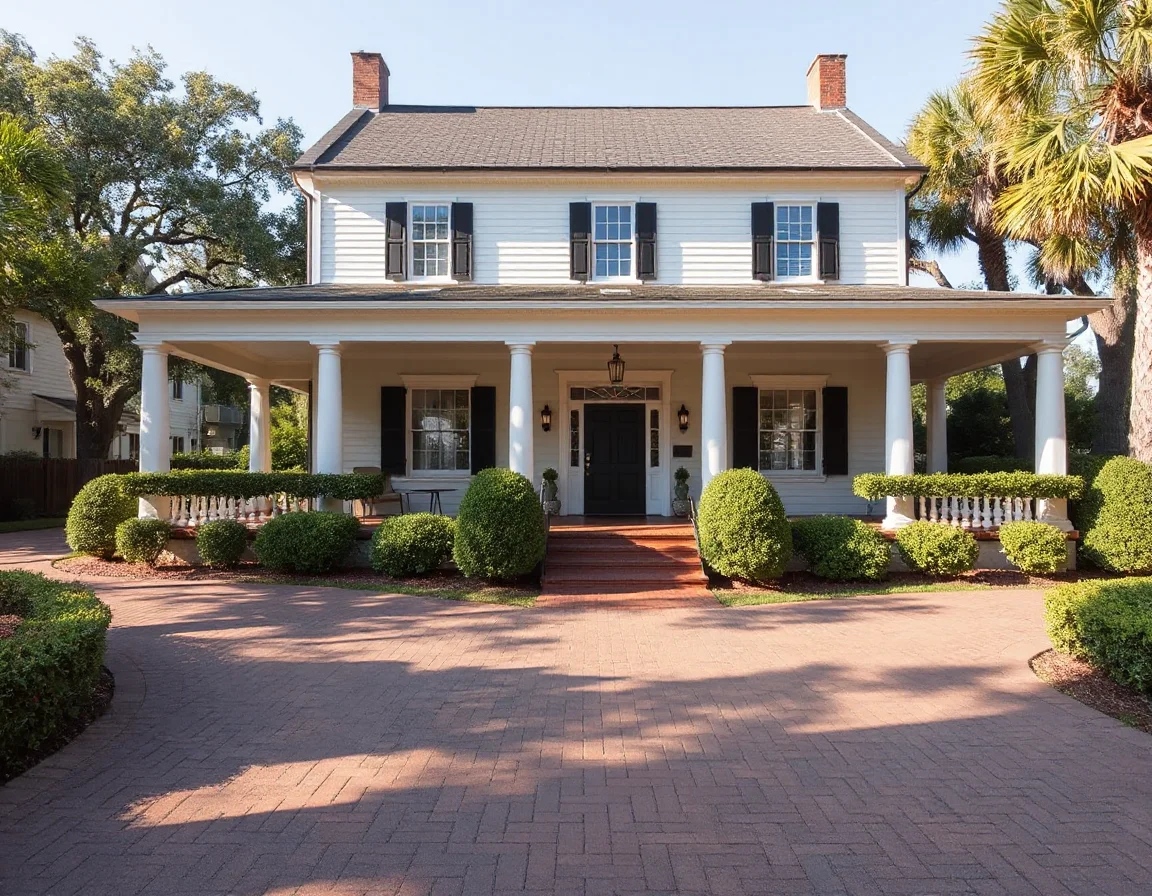
That preparation matters because a competitive offer is not the same as an uninformed one. The goal is to identify the questions that should be answered during the due-diligence period, then build enough time into the contract to obtain reliable information. Review available seller disclosures, improvement records, permits, survey documents, prior inspection reports if provided, and any association materials for a condominium or attached residence. These records do not replace inspections, but they can help frame the right follow-up questions.
For historic properties, it is also useful to understand that older construction is not automatically a defect. Materials and methods may differ from current building practices while still performing as intended. A qualified inspector can distinguish between items that need immediate attention, maintenance considerations, and features that reflect the home’s age and design. When appropriate, specialty evaluations can provide a more detailed opinion than a general home inspection alone.
A general inspection is a starting point, not the entire investigation. Schedule specialty reviews early enough that findings can be evaluated before contract deadlines arrive.
Build an Inspection Team Around the Property
A comprehensive home inspection commonly addresses visible and accessible components such as roofing, plumbing fixtures, electrical panels, heating and cooling equipment, foundations, attic areas, and drainage conditions. In a South of Broad purchase, buyers may also consider whether the property’s age, construction type, location, or observed conditions warrant additional experts. The exact scope should be based on the home rather than a one-size-fits-all checklist.
Common specialty inspections may include a wood-destroying organism report, sewer-line scope, chimney review, roof evaluation, HVAC assessment, moisture investigation, structural engineering consultation, or electrical and plumbing evaluation. For masonry construction, questions about mortar condition, moisture movement, and prior repairs can be worth exploring with an experienced professional. A survey review can also clarify property boundaries, easements, encroachments, and visible improvements before closing.
Coastal climate and seasonal weather are practical considerations throughout Charleston. Look closely at gutters, downspouts, grading, crawlspaces, exterior trim, flashing, and areas around windows and doors. Moisture management is often less about one dramatic issue and more about understanding how water is directed away from the structure, how ventilation functions, and whether routine maintenance has been kept current.
After reports arrive, organize findings into three categories: safety or habitability concerns, significant repair items, and longer-term maintenance. This approach keeps negotiations focused and prevents a long report from becoming overwhelming. Your agent can help coordinate the timeline and communication, while the appropriate licensed professionals can advise on the technical details and repair estimates.
Insurance Questions Should Be Addressed Early
Insurance availability and cost can influence both a purchase decision and a lender’s closing requirements. Buyers should contact insurance providers as soon as a property is under serious consideration, not during the final days before closing. An insurance professional can review the home’s specific characteristics, including age, construction, roof information, claims history when available, protective features, and location-based risk factors.

Flood insurance deserves particular attention in coastal Charleston. A lender may require flood coverage based on the property’s flood-zone determination and loan guidelines, but buyers can also discuss optional coverage and policy structure with an insurance professional. Flood maps, elevation information, prior mitigation work, and the home’s location can all be relevant. Avoid assumptions based solely on a nearby street or a property’s appearance; coverage decisions should be based on the individual address and current insurance guidance.
Wind and named-storm deductibles, replacement-cost provisions, and coverage for historic features are additional topics to review. Policies can vary considerably, so comparing more than one quote may help buyers understand the tradeoffs. Ask what documentation is needed for underwriting, whether an inspection or roof certification is required, and when coverage must be bound to satisfy lender conditions.
An early insurance quote gives buyers time to compare deductibles, coverage options, and lender requirements without turning the final week before closing into a rush.
For condominiums, the association’s master policy is only one piece of the insurance picture. Buyers should review what the master policy covers, the deductible structure, reserve information, and whether an individual unit policy is needed for interiors, personal property, or liability. Association documents can also reveal planned projects or assessment procedures that may affect future ownership costs.
Search South of Broad listings
Plan for Closing Costs Beyond the Purchase Price
Closing costs are the collection of transaction expenses that accompany a purchase, separate from the down payment and the purchase price. The total depends on the loan type, contract terms, property details, insurance selections, timing, and local practices. Your lender and closing attorney can provide estimates tailored to the transaction, but buyers should start with a working budget early in the process.
Typical buyer expenses may include lender origination or processing charges, appraisal fees, credit and verification costs, attorney or settlement fees, title-related charges, recording fees, prepaid interest, escrow reserves, and initial insurance premiums. Depending on the agreement, buyers may also pay for inspections, survey work, specialty evaluations, and repair consultations during due diligence. Cash buyers have a different cost structure but should still account for title work, attorney services, insurance, inspections, and property-specific reviews.
Prepaid items can make the final figure look larger than expected because they often fund upcoming obligations rather than service fees alone. For example, a closing statement may include prepaid insurance, property-tax reserves, or interest through the end of a billing period. Ask the lender and closing attorney to explain which line items are fees, which are prepaids, and which are deposits held for future payments.
- Request a loan estimate early: Compare the lender’s projected costs with your available funds and expected down payment.
- Keep inspection funds separate: Specialty reports can be valuable decision tools, even when a purchase does not move forward.
- Review the closing disclosure carefully: Confirm names, loan terms, credits, insurance figures, and prorations before signing.
- Maintain a contingency reserve: Historic homes may have planned maintenance needs after closing, even when inspections identify no urgent repair.
Move From Information to a Confident Closing
The most successful South of Broad purchase plans are organized, not rushed. Begin the insurance conversation promptly, line up inspectors with relevant experience, track every contract deadline, and save reports and estimates in one place. That record becomes useful not only during negotiations but also after closing, when future maintenance and improvement decisions begin.
Charleston Realty and Jayson Wingfield can help buyers coordinate a detailed, concierge-minded process while keeping the focus on the property, the contract, and the decisions that matter most. The objective is not to eliminate every unknown—no home can offer that—but to replace surprises with informed questions, qualified opinions, and a practical plan for ownership.
Talk with Charleston Realty about your purchase plan
With the right preparation, buying South of Broad can feel less like navigating a maze of inspections and paperwork and more like making a well-supported decision about a remarkable Charleston home. Give each step the attention it deserves, rely on licensed professionals for specialized advice, and let the home’s history and condition guide a closing strategy built for the long term.