

Seabrook Island’s market is rewarding careful preparation rather than rushed decisions. Buyers have more reason to compare setting, condition, ownership costs, and timing, while sellers benefit from precise pricing and presentation that makes a property’s value clear from the first showing. The opportunity is still there—but the details matter more than ever.
A More Deliberate Market Takes Shape
On Seabrook Island, real estate decisions are often shaped by more than bedroom counts and square footage. Beach access, marsh or golf views, private outdoor space, renovation quality, proximity to island amenities, and the practical realities of coastal ownership all influence how a home is received. As market conditions shift, those individual details are becoming even more important. Rather than assuming every well-located property will draw the same level of immediate attention, buyers and sellers are taking a closer look at the full ownership picture.

That does not necessarily mean demand has disappeared. It means the market is more selective. A property that pairs a compelling location with a well-maintained exterior, a coherent interior update plan, and a realistic list price can still make a strong impression. Meanwhile, a home with deferred maintenance, dated finishes, or a price that does not reflect recent competition may require more patience and a more thoughtful adjustment strategy.
For prospective buyers, a measured pace can be useful. Extra time to evaluate sunlight, orientation, outdoor living areas, flood and insurance considerations, HOA or regime fees, and the condition of major systems can lead to a clearer decision. For owners preparing to sell, this same deliberation means that the listing should answer likely questions before they become objections.
In a selective market, the strongest listings do not simply show well online—they make it easy for buyers to understand condition, costs, location advantages, and the work already completed.
Seabrook Island’s limited geography still matters. There is a finite supply of island homes, villas, and homesites, and each segment can move differently. A golf-side residence may appeal to a different set of priorities than a property near the beach or one positioned along the marsh. Comparing only headline prices can miss the nuances that drive actual buyer interest.
What Inventory Can—and Cannot—Tell You
Inventory is one of the most watched market indicators, but it is best read with context. More active listings can give buyers additional options and reduce the urgency to make a decision before reviewing alternatives. Yet a higher number of available properties does not automatically mean every seller must make a major price change. The important question is whether the available homes are truly comparable in location, condition, size, views, amenities, and ownership structure.
For example, a renovated villa and an original-condition villa may share a similar address range but offer very different value propositions. The same is true for homes with distinct outdoor features, elevated construction, enclosed garages, pools, screened porches, or significant recent improvements. Buyers often weigh the time and cost of future work against the convenience of a move-in-ready property, especially when coastal construction schedules and materials can require added planning.
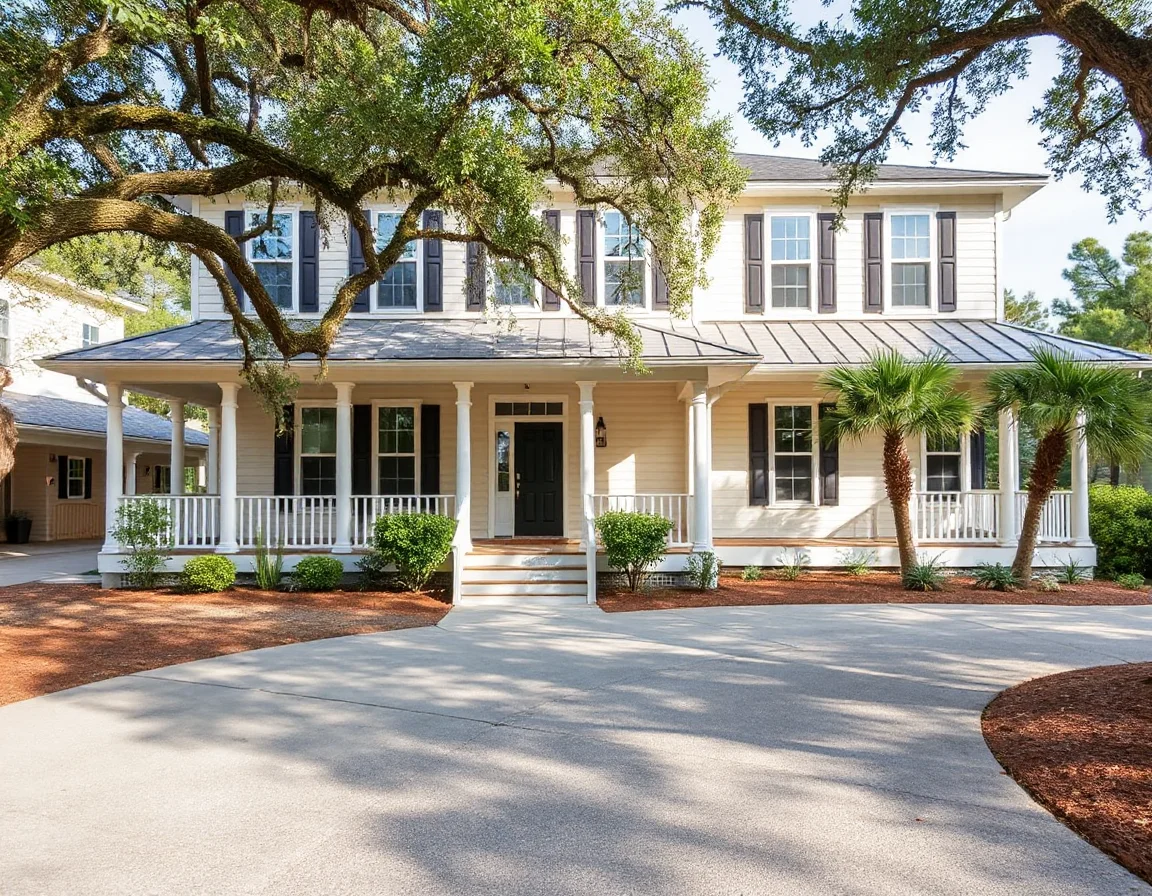
It also helps to separate new inventory from lingering inventory. A recently listed home that is properly prepared may attract attention quickly, while a property that has been available for a longer period may prompt buyers to investigate price history, maintenance needs, or changing seller expectations. Neither situation is automatically positive or negative; both simply call for a more informed conversation.
For sellers, reviewing competing homes in person is often more revealing than browsing photos alone. Note the arrival experience, landscaping, natural light, ceiling heights, outdoor areas, kitchen and bath updates, and the overall sense of care. These are the comparisons buyers make during a showing, sometimes within minutes. A pricing plan should reflect not only closed sales, but also the current alternatives buyers can tour today.
Search Seabrook Island listings
For buyers, it is worth tracking how long comparable homes remain active and whether they receive price adjustments. That information can help shape an offer strategy, but it should not replace a property-specific evaluation. A distinctive waterfront setting, quality renovation, or particularly functional floor plan may justify a different outcome than a broad average suggests.
Pricing for Today’s Buyer
Pricing is often the clearest signal a seller sends to the market. In a faster market, ambitious pricing can sometimes be tested with limited downside. In a more balanced environment, an inflated starting point can reduce the impact of the initial listing period, when a home receives its greatest concentration of new attention. The goal is not to price defensively; it is to price with evidence and confidence.
A strong analysis considers recently closed properties, pending sales where available, active competition, and the practical differences between them. It should also account for improvements that may not appear in a basic data field: a newer roof, updated windows, redesigned outdoor spaces, modernized systems, improved drainage, or professionally planned interiors. Documentation can help turn those investments into part of the property’s story.
Presentation supports pricing. Before going live, sellers may want to address visible repairs, simplify furnishings where appropriate, enhance exterior lighting, refresh landscaping, and make sure rooms photograph clearly. Coastal homes benefit from careful attention to porches, decks, railings, storage areas, and the transition between indoor and outdoor spaces. These details communicate stewardship and can influence a buyer’s perception of value long before negotiations begin.
Pricing is not a one-time decision. It is an active strategy that should be revisited after launch based on showing feedback, online engagement, competing inventory, and broader market movement. A prompt, data-informed response is generally more effective than allowing a listing to sit without a plan.
Timing Around the Island Calendar
Timing matters on Seabrook Island, but there is no single “best” month for every property. Seasonal travel patterns, weather, school calendars, work schedules, and the availability of competing listings all affect activity. Some buyers prefer to visit when the island’s outdoor amenities are especially visible, while others focus on quieter periods when they can evaluate homes with fewer competing appointments.
What sellers can control is readiness. A property should be positioned to take advantage of the right moment rather than delayed by unfinished touch-ups, unavailable documents, or photography that does not reflect its best features. Preparing early also makes room for a measured review of insurance information, association documents, service records, permits, and improvement receipts—items that can support a smoother due-diligence process.
Buyers can use timing to their advantage by becoming financially prepared before the right home appears. Understanding lending options, estimated ownership expenses, preferred property features, and practical renovation tolerance can make an offer more focused. When a compelling property does arrive, preparation can provide flexibility without forcing a rushed decision.
A Clear Plan Beats a Broad Prediction
Market headlines can be useful, but they rarely capture the full story of a specific Seabrook Island property. A home’s value is tied to its setting, condition, design, ownership costs, and the choices available to buyers at that exact moment. The most effective approach is a tailored one: evaluate the current competition, identify the property’s most meaningful advantages, and build a pricing or purchase strategy around real evidence.
Whether you are considering a waterfront residence, a golf-oriented home, a condominium, or a property with a distinctly Lowcountry setting, thoughtful guidance can help turn market uncertainty into a practical next step. The current shift is not simply about waiting—it is about being prepared to recognize value, present it well, and act with purpose when the timing is right.