
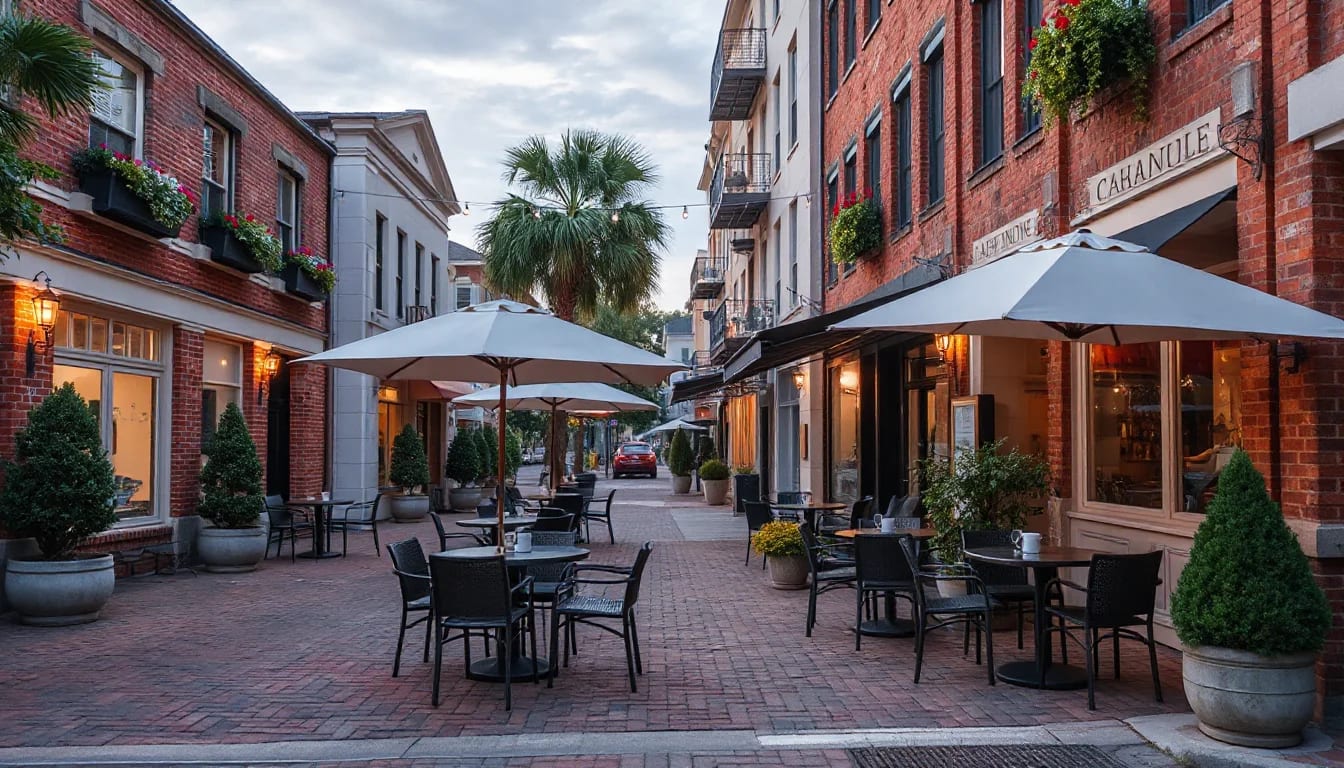
Sullivan’s Island offers a distinct Lowcountry rhythm: broad Atlantic beaches, maritime scenery, locally owned dining, and a direct connection to Charleston via the Ravenel Bridge. Exploring the island at different times of day can reveal how beach access, traffic patterns, home styles, and nearby amenities may shape a move or a real estate search.
A Coastal Setting with Room to Slow Down
Sullivan’s Island sits at the entrance to Charleston Harbor, where the Atlantic Ocean, tidal creeks, and salt-marsh views create a setting that feels both relaxed and closely connected to the city. The island is known for its sandy shoreline, low-rise streetscapes, and a mix of historic cottages, renovated beach houses, and newer coastal residences. Its scale encourages a more intentional pace: mornings can begin with a walk near the water, while afternoons may include a bike ride beneath live oaks or a stop at one of the island’s casual gathering spots.
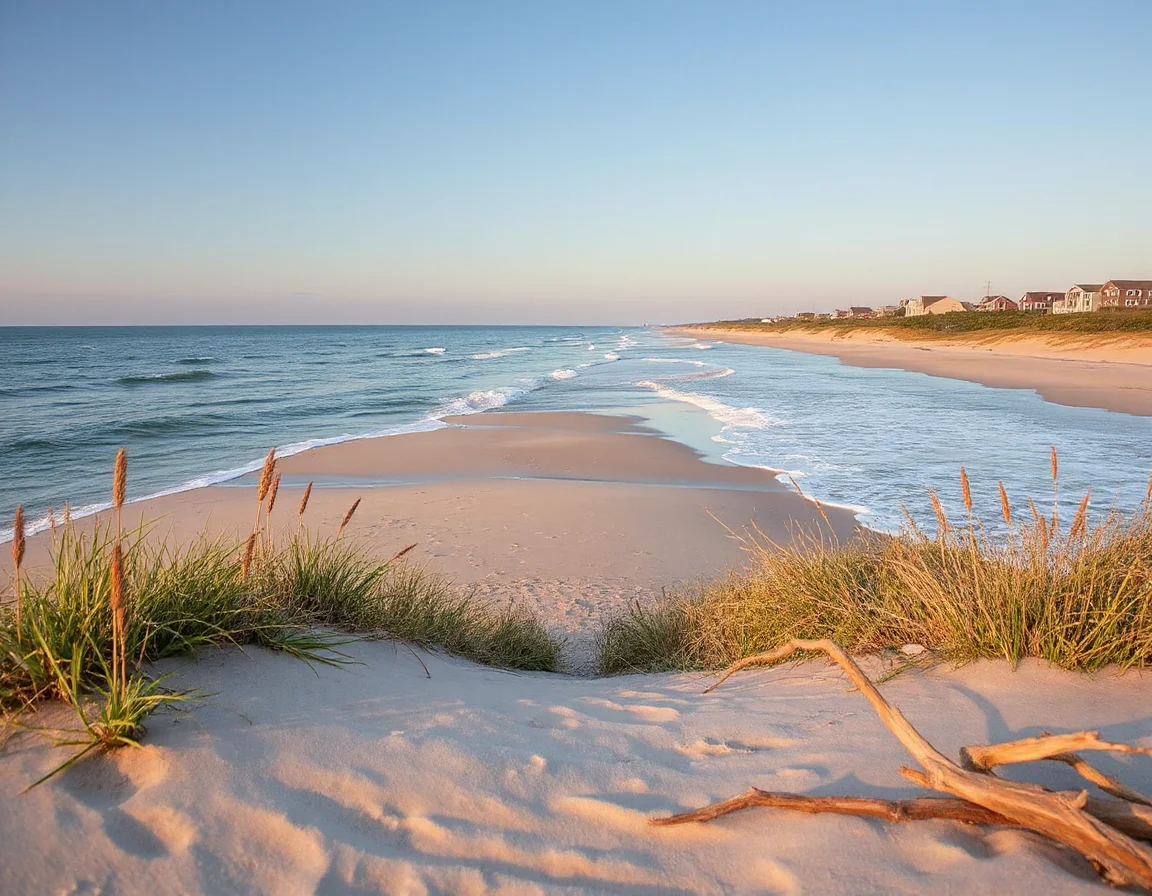
Beach access is a central part of daily life here, but every access point has its own character. Some lead toward open ocean views and long stretches of sand, while others are positioned near the island’s maritime forest, harbor-facing edges, or quieter residential blocks. Visitors and residents alike benefit from checking local parking guidance, seasonal regulations, and tidal conditions before heading out. A beach day can look very different at sunrise, during a high-tide afternoon, or near sunset when the light softens over the water.
The island’s coastal environment also brings practical considerations for property ownership. Salt air, wind, humidity, flood zones, insurance requirements, and elevated construction are meaningful parts of the buying conversation. Buyers often compare lot elevation, drainage, roof age, exterior materials, window protection, and outdoor living areas with as much care as they compare interior finishes. A beautiful porch or screened room can be a major part of the experience, but it is worth understanding the maintenance that helps those spaces perform well over time.
On a barrier island, a home’s relationship to water matters beyond the view: elevation, access, drainage, and insurance documentation can all affect long-term ownership planning.
For those considering a move, it can be useful to spend time on the island outside of peak beach hours. An early weekday drive, a walk after a rainstorm, or an evening visit during a busy season can provide a more complete picture of how the roads, public spaces, and shoreline feel from one day to the next.
Dining, Everyday Errands, and Charleston Access
Despite its compact footprint, Sullivan’s Island has a well-established dining scene centered around relaxed meals, coastal ingredients, and gathering with friends or neighbors. The island’s restaurants range from casual daytime stops to polished dinner destinations, with outdoor seating and breezy patios adding to the coastal atmosphere. Because seating and hours can shift with the season, checking ahead is a smart habit, especially on weekends and holidays.
Daily routines often extend beyond the island itself. Nearby Mount Pleasant provides access to groceries, services, medical offices, recreation facilities, and a wide variety of retail and dining options. Downtown Charleston is also within reach by way of the Arthur Ravenel Jr. Bridge, making it possible to enjoy museums, galleries, waterfront parks, cultural events, and historic streets without giving up a beach-oriented home base. Actual travel times vary with traffic, weather, and time of day, so prospective buyers should test common routes that matter most to them.
That connection to the greater Charleston area is one reason the island appeals to people looking for both coastal scenery and regional access. A day might include coffee near the beach, an appointment in Mount Pleasant, an afternoon in Charleston, and a return over the bridge as the harbor changes color. The transition between city energy and island calm is part of the area’s enduring appeal.
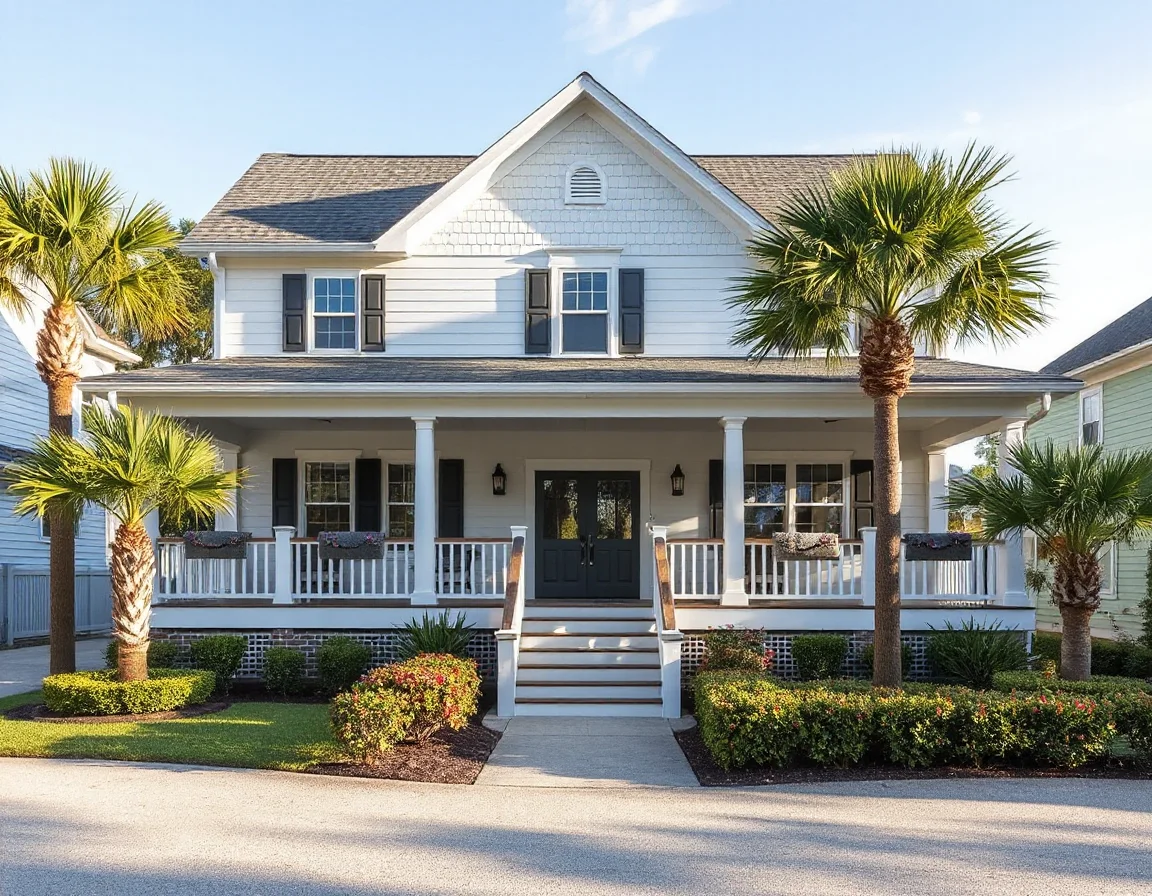
For real estate shoppers, the range of architecture is worth noting. Some homes preserve the charm of older island construction, while others emphasize contemporary design, elevated living spaces, large windows, covered porches, pools, and carefully planned landscaping. Waterfront and near-water properties may offer changing views of the ocean, harbor, or marsh, but sightlines and conditions should always be verified in person and through appropriate due diligence.
Explore Sullivan’s Island real estate
Recreation Beyond the Sand
Beach walks may be the most recognizable island activity, yet Sullivan’s Island offers more than a place to spread out a towel. The shoreline is a natural setting for shelling, birdwatching, surf conditions when the weather cooperates, and simply observing the changing tide. Near the harbor side of the island, the scenery shifts toward channels, maritime grasses, and views across the water toward Charleston and Fort Sumter.
Fort Moultrie, part of the National Park Service’s Fort Sumter and Fort Moultrie National Historical Park, provides a meaningful connection to the island’s layered history. Its grounds and exhibits offer context for the area’s role in coastal defense across multiple periods of American history. A visit can add depth to a day on the island, particularly for anyone interested in how the Lowcountry’s geography has shaped its communities, transportation routes, and architecture.
Outdoor time here is often uncomplicated: a bike leaning against a porch rail, a beach chair carried down a sandy path, or a late-day walk along a quiet street. Still, the island’s natural environment deserves care. Local rules regarding dunes, beach access, wildlife, parking, and pets are designed to support shared use of the shoreline and protect sensitive coastal areas. Keeping up with current municipal guidance helps preserve the landscape that makes the island distinctive.
What to Consider When Exploring Homes
A thoughtful Sullivan’s Island home search begins with priorities. Some buyers focus on walkable beach access; others prefer harbor orientation, a larger lot, historic detail, a pool, a covered porch, or proximity to the island’s central commercial area. There is no single best location or property style—only the combination that fits an individual’s preferred routine, budget, and maintenance expectations.
It is also helpful to look beyond listing photos. Visit at multiple times of day, ask about recent improvements, review flood and insurance information, understand any applicable preservation or permitting considerations, and inspect major systems carefully. Coastal homes can be exceptionally rewarding, but they benefit from informed ownership and a team that understands the details of waterfront and barrier-island properties.
Inventory can vary considerably, and many homes have features that are difficult to compare on a spreadsheet alone. Outdoor spaces, porch orientation, mature landscaping, storage for beach equipment, enclosed parking, and the relationship between a home and its surrounding streets can all influence the day-to-day experience. In a market where individual properties often have a strong sense of place, a measured search can be especially valuable.
Search Sullivan’s Island listings
Finding Your Own Island Rhythm
Sullivan’s Island is not simply a beach destination; it is a place shaped by weather, tide, history, and the everyday rituals of coastal living. Its proximity to Charleston brings cultural and dining opportunities close at hand, while the island itself offers a quieter visual language of dunes, porches, palms, and open water.
Whether you are planning an afternoon visit or beginning a serious property search, give yourself time to experience the island beyond its postcard moments. Notice how the light moves across the beach, how the route changes during different parts of the day, and how each block has its own architectural texture. Those details are often what turn an initial interest in Sullivan’s Island into a clear understanding of what coastal Lowcountry living can offer.