
Isle of Palms offers a coastal routine shaped by broad Atlantic beaches, casual dining, public green spaces, and easy access to Charleston’s Lowcountry amenities. Whether you are considering a waterfront residence, a condo, or a beach-area home, spending time in these everyday places can reveal how the island feels beyond a listing photo.
A Coastal Day Begins at the Beach
On Isle of Palms, the shoreline is more than a scenic backdrop. The beach creates a natural rhythm for the day: early walks near the waterline, changing light over the dunes, and long stretches of sand that invite people to slow down and take in the Atlantic. Public beach access points make it possible to experience different portions of the island, from quieter dune-lined views to more active areas near the commercial district.

For residents, proximity to the beach can influence everything from morning routines to how outdoor space is used at home. A screened porch, covered patio, outdoor shower, elevated deck, or storage for beach equipment may be as meaningful as an interior finish. Coastal properties also bring practical considerations, including flood zones, insurance, maintenance requirements, elevation, and local rental rules. Looking closely at these details is an essential part of comparing homes on the island.
The beach also changes with the seasons. Summer brings warm water and lively activity, while fall and spring can offer comfortable temperatures for walking, cycling, and enjoying the shoreline with a little more room to roam. Winter has its own appeal, with crisp air, open views, and an unhurried atmosphere that highlights the island’s natural landscape.
A beach walk at different times of day can be one of the most useful ways to compare locations on Isle of Palms: tide, wind, parking patterns, and beach access all shape the daily experience.
For anyone evaluating real estate here, it helps to visit a property in the context of the island itself. Note the route to the beach, the condition of nearby access points, the direction of prevailing breezes, and the amount of afternoon sun on the lot. These observations add useful context to square footage, bedroom counts, and waterfront views.
Dining That Keeps the Island Connected
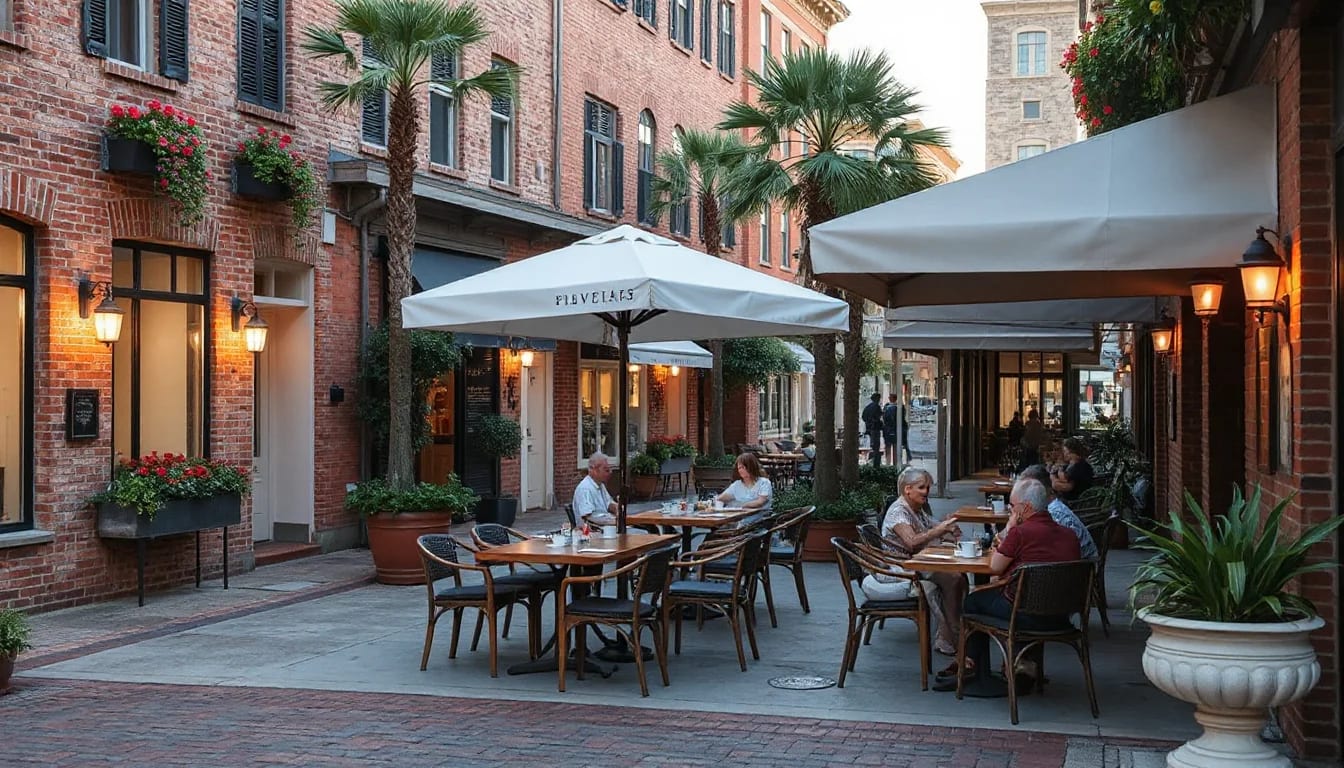
Isle of Palms dining ranges from relaxed daytime stops to polished evening settings, with seafood and Lowcountry ingredients naturally appearing across many menus. The island’s central commercial areas create convenient places to gather for a meal, pick up something simple after the beach, or settle in for an evening overlooking marshes, the Intracoastal Waterway, or the ocean.
What makes the dining scene especially useful for homeowners is its accessibility. A short drive or bike ride can connect many neighborhoods with island dining, while nearby Mount Pleasant and downtown Charleston broaden the choices considerably. That flexibility is part of the appeal of island living: it is possible to keep the day close to the water or cross the Ravenel Bridge for a completely different setting.

Dining is also a practical lens for understanding a location. Homes near the island’s busier corridors may offer quick access to services and social destinations, while properties farther toward the quieter residential stretches may feel more removed from commercial activity. Neither approach is automatically better; the right fit depends on the setting, access, views, and day-to-day pace that matter most to each buyer.
When touring homes, consider making a meal part of the visit rather than treating it as a separate errand. The drive from a property to nearby dining, the availability of parking, and the route back after sunset can all help clarify how the location functions in real life. A strong home search balances architectural features with the ordinary conveniences that make a place enjoyable over time.
Parks, Waterways, and Room to Be Outside
Beyond the oceanfront, Isle of Palms offers outdoor spaces that bring the Lowcountry landscape into everyday life. County park amenities, beach access areas, playgrounds, and open spaces provide places to pause between errands or spend time outside without planning an entire outing. The island’s setting also places boating, paddle sports, fishing, and marsh views close to home, depending on the property’s location and water access.
The nearby Isle of Palms County Park is a familiar public destination, with beach access and amenities that can make a shoreline visit easier to plan. Elsewhere, the island’s side streets, paths, and waterfront edges reveal a quieter side of the area: palmettos moving in the breeze, tidal creeks, maritime vegetation, and changing skies over the water.
Outdoor amenities have a direct connection to real estate value and enjoyment, but they should be evaluated with care. Waterfront access may be private, shared, deeded, or public; boat slips and docks can have separate rules and maintenance obligations; and views may be affected by tides, vegetation, neighboring construction, or local regulations. A thoughtful review of documents and property conditions helps turn a beautiful setting into an informed decision.
For buyers drawn to an active coastal lifestyle, it is worth asking detailed questions about storage, parking, outdoor living areas, HOA provisions, and access to water. For sellers, highlighting these tangible features—rather than making broad lifestyle claims—can help prospective buyers understand how a home supports time outside.
Finding the Right Island Perspective
Isle of Palms real estate includes a broad range of property types, from oceanfront homes and waterfront residences to condos, cottages, and homes tucked along quieter island streets. Some buyers prioritize direct beach access; others focus on marsh views, dock potential, a renovated kitchen, lock-and-leave convenience, or a location near the island’s dining and recreation options. Clear priorities make it easier to compare properties that may look very different on paper.
Luxury coastal ownership often calls for a detailed, concierge-style approach. In addition to inspections and financing, buyers may want to consider flood insurance, wind coverage, rental restrictions, HOA budgets, dock permits, seawall condition, roof age, drainage, and the history of improvements. These conversations are not meant to diminish the appeal of coastal living; they help ensure that a home’s distinctive features are understood from every angle.
Start with the places that make the island memorable: the open beach, a favorite meal, a shaded park bench, or a view across the marsh at the end of the day. Those experiences can guide a more focused property search and help turn a list of specifications into a clear vision for a home on Isle of Palms.