

Kiawah Island pricing is shaped by much more than bedroom count or square footage. Ocean proximity, marsh views, community access, property condition, and the small number of available homes can all influence value and negotiating leverage. Understanding how prices, inventory, and days on market work together helps buyers and sellers make decisions with clearer expectations.
Why Kiawah Island Market Numbers Need Context
Kiawah Island real estate is often discussed through headline figures: median price, number of homes for sale, or average days on market. Those measurements are useful starting points, but they rarely tell the whole story. This is a market where a residence near the ocean, a villa with golf-course frontage, and a marsh-facing home can occupy very different price ranges even when their square footage appears similar.

Instead of viewing one market statistic in isolation, consider the relationship among all three. Prices show where recent buyer demand and completed sales have landed. Inventory shows how many choices are available at a given time. Days on market reveal how quickly listings are moving, though that figure can be affected by pricing strategy, seasonality, property condition, and whether a listing has been withdrawn and relaunched.
On a barrier island, details that might be secondary elsewhere can carry meaningful weight. Flood-zone information, insurance considerations, rental rules, maintenance history, exterior materials, access to amenities, and the position of a home within its community may all affect how a property is evaluated. A well-prepared market analysis should compare homes with similar settings and characteristics rather than relying only on a broad island-wide average.
A price trend can be helpful, but the most useful comparison is usually a recent sale with a similar view, property type, condition, and location within Kiawah Island.
Seasonality also matters. Buyer activity can shift around holidays, school calendars, weather patterns, and the timing of visitors exploring the Charleston coast. A slower period does not automatically signal reduced value, just as a busy period does not mean every property will sell immediately. The property’s presentation, price, and positioning within its specific segment remain important throughout the year.
Reading Home Prices Beyond the Listing Price
Asking price is an invitation to the market; sold price is the outcome of a particular negotiation at a particular moment. When reviewing Kiawah Island home prices, look at a group of recent closed sales and notice the differences between original list price, final list price, and recorded sale price. That sequence can show whether sellers were pricing close to the market from the beginning or adjusting after buyer feedback.
Price per square foot can offer another reference point, but it is not a complete valuation tool. Two homes with similar interior size may differ in lot orientation, renovation quality, ceiling height, outdoor living areas, private pool features, views, and proximity to coastal amenities. Condominiums and villas can also have association fees and services that should be considered alongside the purchase price.
For sellers, this means a pricing conversation should begin with the home’s strongest comparable properties, not simply the highest recent sale. A listing priced above the market may receive fewer early showings, while an overly conservative price can leave value unrealized. For buyers, it means looking closely at what is included in the asking price and how a property compares with similarly positioned alternatives.
Condition is often one of the clearest value separators. Updated kitchens, durable coastal finishes, newer mechanical systems, window and roof history, outdoor spaces, and documented maintenance can all influence how a home competes. Buyers evaluating an unrenovated property may need to account for the cost, timeline, and permitting considerations of future improvements.
What Inventory Can Tell You About Choice and Competition
Inventory refers to the number of properties actively available for purchase. In a place with a finite amount of land and a distinctive mix of homes, villas, and waterfront residences, inventory can change quickly. A limited selection in one price range does not necessarily mean limited selection across the entire island; it may simply mean that a particular property type is scarce at that moment.
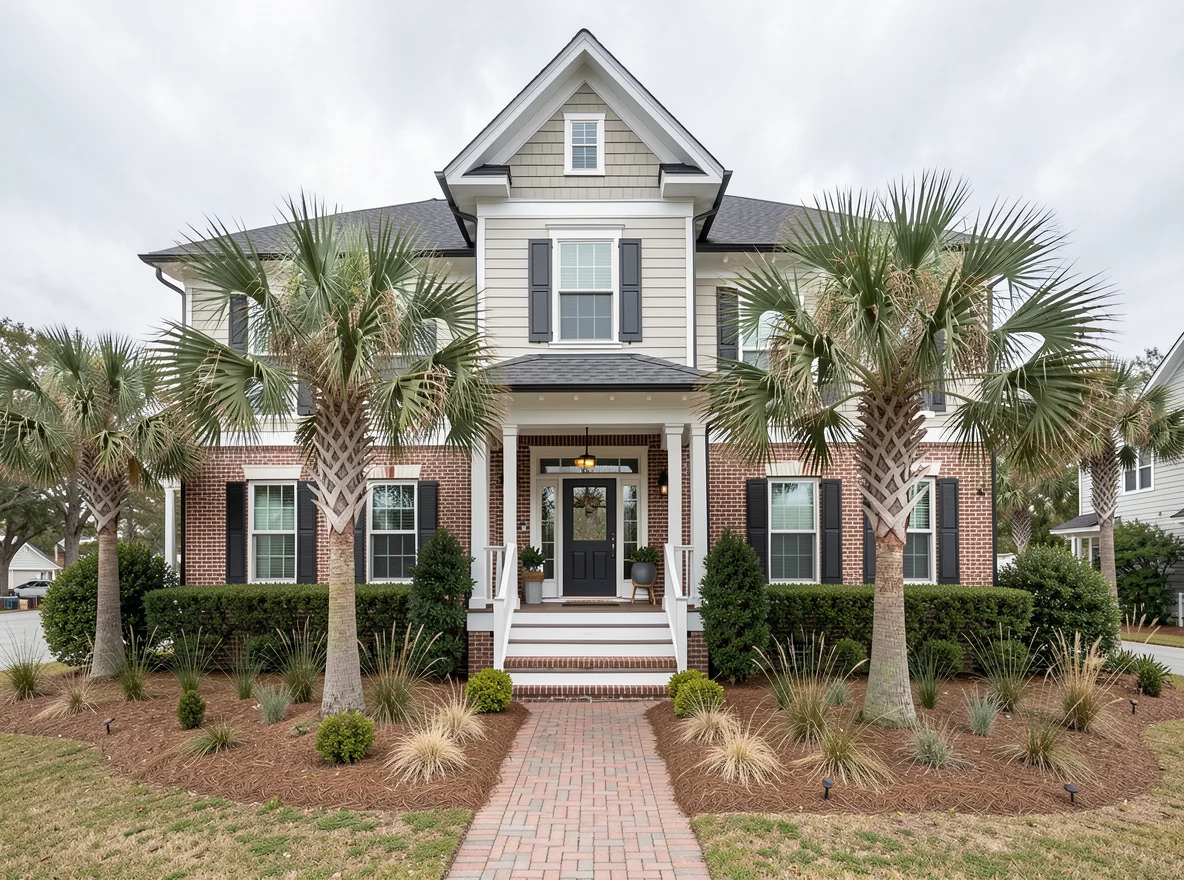
A practical way to review supply is by property category. Separate single-family homes from villas, compare golf and marsh settings independently, and note whether similar properties are entering the market faster than they are going under contract. This approach creates a more accurate picture than treating every active listing as interchangeable.
Months of supply is another commonly used measure. It estimates how long it could take to sell the current inventory if no new homes entered the market and properties continued selling at the recent pace. A lower supply level can indicate that buyers have fewer options, while a higher supply level can give buyers more time and more properties to compare. Neither condition guarantees a particular result for an individual home.
Inventory deserves close attention because it affects strategy. When choices are limited, buyers may want financing, proof of funds, inspection planning, and decision criteria organized before a compelling listing appears. When more comparable homes are available, buyers can take additional time to assess differences in condition, view, community fees, and long-term ownership costs.
For sellers, the active competition is just as important as the sold data. A home is not competing against a sale from six months ago; it is competing against the properties a buyer can tour today. Strong photography, thoughtful preparation, accurate property details, and a well-supported price help a listing stand apart without relying on broad market assumptions.
How to Interpret Days on Market
Days on market measures how long a property has been publicly available before it goes under contract or closes, depending on the reporting method used. It can be a useful signal, but it should not be treated as a scorecard. Some homes attract immediate attention because they are carefully priced and offer a highly sought-after combination of location and condition. Others take longer because they are distinctive, have a narrower set of comparable buyers, or need a more targeted pricing adjustment.
Look at days on market in ranges rather than focusing on a single number. A newer listing may still be gathering feedback. A home that has been available longer may present an opportunity to ask focused questions about updates, disclosures, prior price changes, association requirements, and the seller’s preferred closing timeline. Time on market can create context for a conversation, not a shortcut to determining value.
A longer marketing period is most useful when paired with the listing’s price history, comparable sales, condition, and current competition—not as a stand-alone negotiating signal.
For homeowners preparing to sell, the first few weeks on the market are especially valuable because that is often when a listing receives its greatest visibility. Preparation before launch can reduce avoidable distractions during showings. Completing deferred maintenance, organizing property documentation, reviewing association information, and making outdoor areas presentable can help prospective buyers understand the home’s value more easily.
For buyers, a quick-moving listing should encourage careful preparation, not rushed judgment. Review disclosures, discuss financing terms with a lender, understand inspection options, and consider total ownership costs. A well-structured offer is built on clear information about the home and the local market, whether the property has been listed for two days or two months.
Using the Numbers to Make a Better Decision
The most productive way to follow Kiawah Island real estate is to combine market data with your specific goals. Buyers can define preferred property types, view priorities, anticipated use, and budget parameters before comparing available homes. Sellers can evaluate current competition, recent closings, and their home’s condition before setting a launch plan. In both cases, the goal is not to predict every market movement; it is to make a well-informed decision with the information available now.
Kiawah Island offers a varied collection of coastal properties, from villas to substantial waterfront homes, and each segment can behave differently. A local analysis tailored to the exact property type and setting is far more useful than a single island-wide statistic. With a clear view of pricing, inventory, and market pace, buyers and sellers can move forward with greater confidence and a stronger basis for negotiation.