
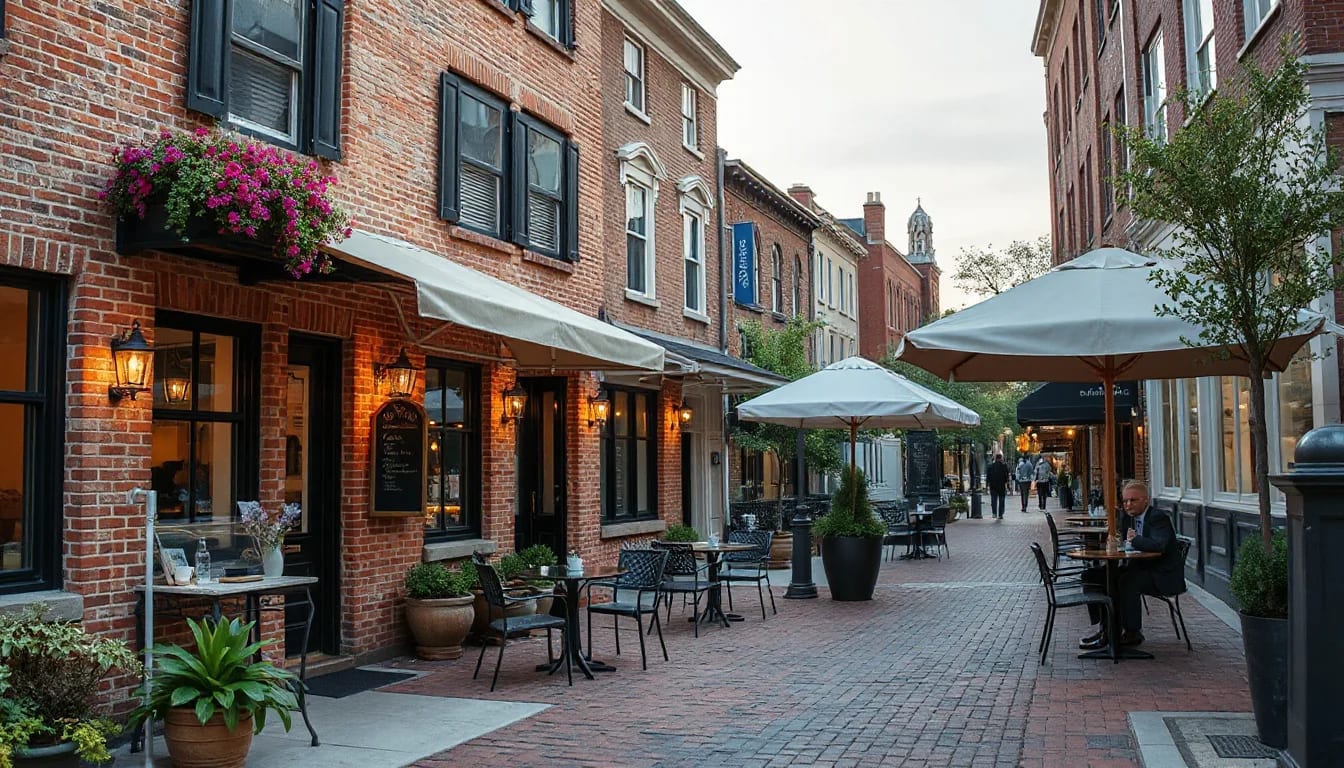
South of Broad offers one of Charleston’s most walkable combinations of shaded green space, historic streets, waterfront views, and nearby dining. From a morning loop around White Point Garden to an evening stroll beside Charleston Harbor, the area rewards a slower pace and close attention to its architectural and coastal details. For home buyers, these everyday routes can be just as meaningful as a home’s floor plan.
A Walkable Corner of Charleston History
South of Broad begins at the southern end of Charleston’s historic peninsula, where narrow streets, mature live oaks, piazzas, brick walls, and centuries of architectural detail create a distinctive streetscape. The area is often explored on foot because so much of its character is revealed gradually: iron gates opening to gardens, changing rooflines, harbor breezes moving through the trees, and the rhythm of porches facing the street. It is a place where an ordinary errand or afternoon walk can become an opportunity to notice something new.

White Point Garden, at the Battery, is a natural starting point. The public park sits at the tip of the peninsula and offers shaded paths, benches, broad lawns, and views toward the harbor and Fort Sumter. It is also a place where Charleston’s layered history is visible in the landscape, from the Civil War-era artillery displays to the grand homes that line the surrounding streets. A visit can be brief and peaceful or become the beginning of a longer route through the neighborhood.
From the park, the Battery’s waterfront promenade provides a memorable walking path along the seawall. The route is especially appealing in the early morning or near sunset, when the light changes over the water and harbor traffic adds movement to the view. Bring comfortable shoes: the best South of Broad walks often include detours down small side streets where historic homes, lush planting, and original masonry reward an unhurried pace.
A simple loop around White Point Garden and the Battery can turn a house-hunting visit into a useful daily-life test: note shade, sidewalks, parking patterns, wind, and the time it takes to reach the waterfront on foot.
The neighborhood’s residential architecture is a major part of the experience. Properties range from landmark-era single houses and restored masonry residences to townhomes, condominiums, and homes with private outdoor spaces. Because many structures have historic features and varying ages, buyers should look beyond appearances and ask thoughtful questions about renovations, drainage, foundations, elevation, maintenance history, and any applicable preservation requirements.
Parks, Harbor Views, and Everyday Outdoor Time
South of Broad’s outdoor appeal is not limited to a single landmark. The neighborhood’s tree canopy creates welcome shade along many blocks, while its proximity to the water brings open skies and cooling breezes. A morning walk may include quiet residential streets and formal gardens; an afternoon route can follow the edge of Charleston Harbor; and an evening can end with views across the water as boats move toward the horizon.
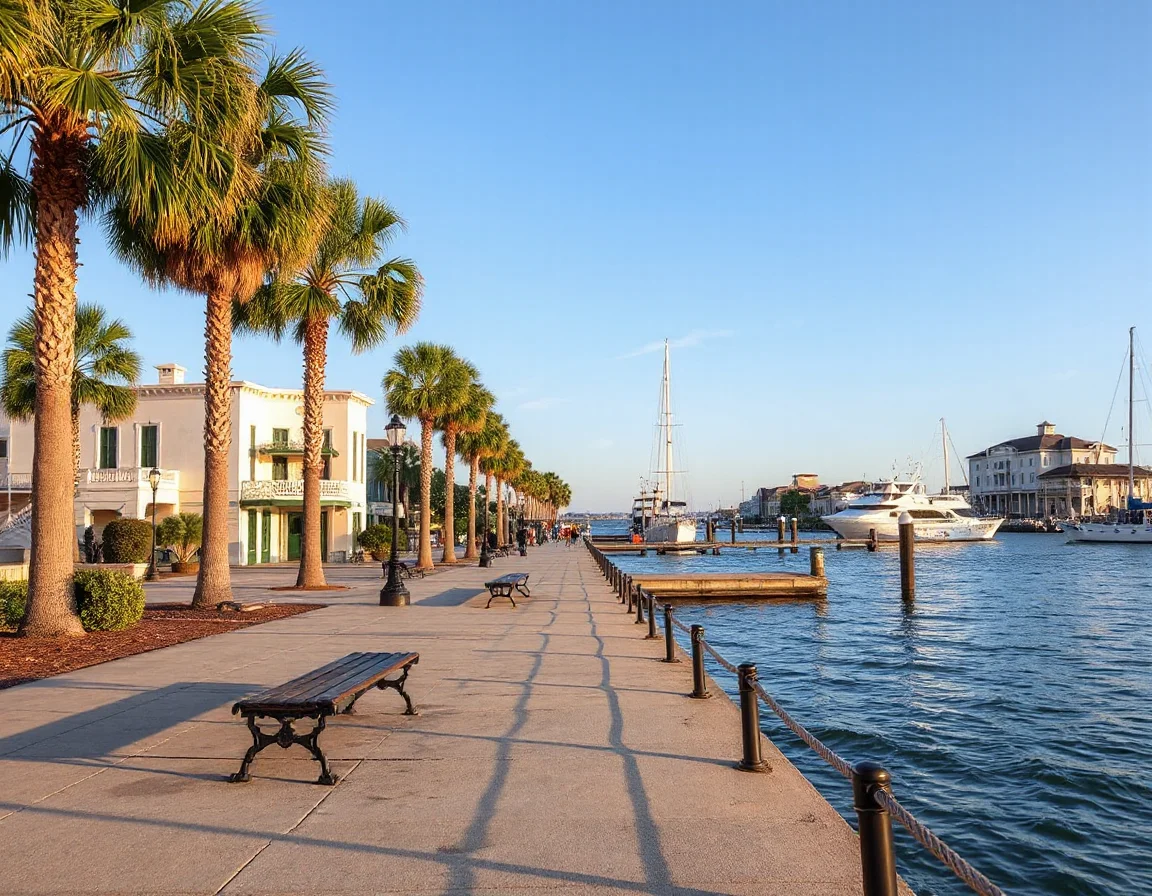
For residents who value outdoor space, the setting offers several ways to build fresh air into the week without planning a major outing. The Battery provides a straightforward waterfront walk, while nearby public spaces farther north on the peninsula extend the options for gardens, open lawns, and harbor-facing paths. Cycling can be practical on selected routes, although riders should remain attentive to narrow streets, pedestrian activity, uneven pavement, and changing traffic conditions.
Charleston’s subtropical climate makes outdoor routines possible during much of the year, but it also shapes how homes are maintained. Humidity, salt air, rain, heat, and storm preparation are real considerations near the coast. When evaluating a property, it is wise to review flood-zone information, insurance options, roof age, drainage systems, exterior materials, windows, shutters, and any recent resilience improvements. A beautiful waterfront setting and a well-considered maintenance plan can go hand in hand.
Green space also adds dimension to the neighborhood’s daily rhythm. Instead of treating a park or waterfront path as a destination reserved for visitors, many people use these places as part of regular routines: a quiet morning pause, a walking route between appointments, or a spot to take in the weather after a long day. That sense of access is one reason location matters so much when comparing historic peninsula properties.
Search South of Broad listings
Dining and Gathering Near the Peninsula’s Southern End
Dining options are another practical advantage of living near South of Broad. While the neighborhood itself is largely residential, nearby Broad Street, Queen Street, and the lower peninsula place a wide range of dining experiences within a short trip. From relaxed daytime stops to polished evening dining, the surrounding historic district offers choices for a quick meal, a long conversation, or an occasion that calls for a memorable setting.
The appeal is not only about having options nearby; it is about how those options fit into a walkable day. A waterfront stroll can lead into the historic district, where courtyards, tree-lined blocks, and preserved buildings create a setting that feels distinctly Charleston. Reservations may be helpful during busy travel periods, and transportation planning can make evenings easier when parking is limited. For many buyers, these details are worth considering during a neighborhood visit rather than after a purchase.
Local food culture also changes with the seasons. Seafood, Lowcountry ingredients, regional produce, and classic Southern techniques appear across many menus, while the city’s calendar brings food-focused events and seasonal gatherings throughout the year. Exploring at different times of day can offer a more complete sense of the pace around South of Broad: early mornings tend to feel quiet, midday brings more movement, and evenings highlight the neighborhood’s connection to the broader peninsula.
For those considering a historic home, nearby conveniences should be balanced with the realities of preservation and urban living. Delivery access, street parking, renovation logistics, municipal rules, and the condition of older infrastructure can vary from block to block. A careful property review, paired with local guidance, helps buyers understand both the charm and the responsibilities of owning in one of Charleston’s most established residential areas.
Finding a Home That Fits the Setting
South of Broad real estate is often defined by details that cannot be captured in a square-footage number alone: a shaded piazza, an upper-floor harbor glimpse, original heart-pine floors, a walled courtyard, or a location a few blocks from the Battery. Each property has its own relationship to the street, the water, and the surrounding historic fabric. Touring at different times of day can reveal how sunlight, traffic, activity, and breezes shape the experience.
Buyers should also consider how they plan to use the area’s amenities. A home close to the waterfront may make daily walks feel effortless, while a residence nearer the center of the historic district may offer faster access to dining and cultural destinations. Neither approach is automatically better; the most useful choice is the one that aligns with preferred routines, maintenance expectations, and long-term ownership goals.
South of Broad remains compelling because it combines a deeply rooted sense of place with practical opportunities to enjoy Charleston’s parks, harbor, and culinary scene. Spend time on the sidewalks, pause at the water, look closely at the homes, and let the neighborhood’s details guide the conversation. The right property is not simply a place to live—it is a place that connects naturally to the Charleston experience outside its front door.