

Kiawah Island home prices are shaped by more than square footage: beach access, marsh and river views, club relationships, renovation quality, and rental rules can all influence value. Inventory often feels selective rather than broad, so buyers who understand the island’s distinct property types can move with more confidence when the right home appears.
Why Kiawah Island Values Can Vary So Widely
On Kiawah Island, a price range tells only part of the story. Homes may share a similar bedroom count yet occupy very different positions in the market based on their location within the island, view corridor, proximity to the ocean, architectural condition, outdoor living areas, and whether the property is a villa, cottage, single-family residence, or estate-scale home. A well-maintained residence overlooking marshland may appeal to a different set of buyers than an oceanfront property with direct beach access, even when the interior square footage is comparable.

Water orientation is one of the clearest examples. Oceanfront, ocean-view, marshfront, river-view, lagoon-view, and wooded homes each offer a distinct setting, and the premium attached to one view is not always interchangeable with another. Some buyers place the highest value on beach access and open water; others prioritize privacy, mature landscaping, sunset exposure, or a deep lot that creates separation from neighboring homes. Looking closely at the actual view from principal rooms and outdoor spaces matters more than relying on a single listing label.
Condition is equally important. Kiawah Island includes homes built across several decades, from classic Lowcountry designs to newer residences with contemporary interiors and energy-conscious systems. Updated kitchens, resilient exterior materials, roof age, windows, HVAC equipment, outdoor kitchens, pools, elevators, and storm-preparation features can all affect both immediate enjoyment and anticipated ownership planning. In a coastal environment, buyers commonly evaluate maintenance history with the same attention they give finishes and floor plans.
Club access and neighborhood amenities can also influence demand, but these details should always be verified property by property. Membership opportunities, transfer policies, fees, reservation processes, and access terms can change. Rather than assuming a home carries a particular benefit, buyers should request current documentation and review it carefully as part of due diligence.
A useful comparison is not simply “price per square foot.” On Kiawah Island, compare view, lot position, condition, access, carrying costs, and renovation scope alongside interior size.
How Inventory Shapes the Search
Kiawah Island inventory tends to be segmented. A buyer searching for a lock-and-leave villa may see a different supply picture than someone seeking a renovated home near the beach, a golf-oriented residence, or a waterfront estate. That is why broad market headlines can be helpful context but may not describe the availability of the exact property type, price point, or location a buyer has in mind.
When options are limited within a specific category, preparation becomes valuable. Buyers can clarify preferred areas, minimum layout needs, tolerance for renovations, desired outdoor features, and expected annual costs before a listing tour. This does not mean compromising on key priorities; it means distinguishing between nonnegotiable features and elements that could be improved after closing. A home with a strong location and sound structure may offer more long-term flexibility than a cosmetically polished option in a less suitable setting.
Inventory should also be viewed as a moving collection rather than a fixed number. New listings, price adjustments, expired offerings, and properties returning to the market can change the competitive landscape quickly. Some properties receive substantial early attention because they combine updated condition with a coveted view or location. Others require more time because the price, maintenance needs, or design choices narrow the audience.
Explore Kiawah Island listings
Reading Buyer Demand Beyond the Headlines
Buyer demand on Kiawah Island is often driven by a mix of lifestyle goals and practical ownership considerations. The island’s beaches, maritime forest, golf, biking routes, nature views, and connection to the greater Charleston area create interest across several property categories. Still, demand is rarely uniform. A thoughtfully updated villa may attract one audience, while a large residence with expansive outdoor areas, guest accommodations, and a private setting may attract another.
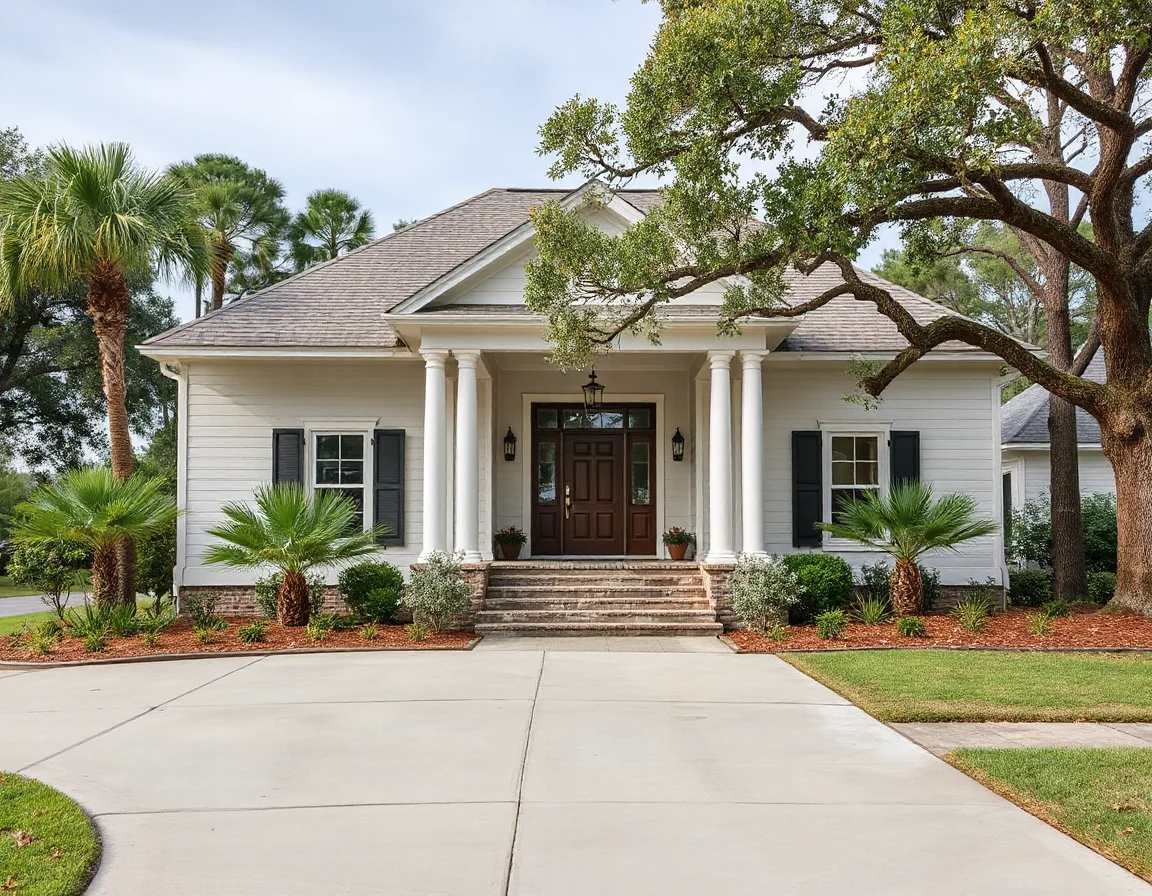
For buyers, the most reliable signal is the response to comparable homes. Consider how long similar properties have been available, whether they have adjusted pricing, and what separates recently sold homes from active listings. A sale from several months ago may still be informative, but its relevance depends on whether the home shared similar condition, view quality, location, and ownership features. The goal is to build a carefully matched set of comparisons instead of treating every island sale as interchangeable.
Sellers can use the same principle. Strong presentation helps buyers understand a property’s value quickly, especially when the home has distinctive elements that photographs alone may not fully explain. Clear information about improvements, systems, outdoor features, view orientation, and ownership costs supports better conversations. Pricing should reflect the current alternatives buyers can actually purchase, not only a memorable sale from a different micro-location or market moment.
In a market with specialized inventory, a home does not need to appeal to every buyer to be well positioned. It needs to be presented and priced with the right competing options in mind. That often calls for a detailed review of active, pending, and recently closed properties, along with a candid assessment of condition and location.
Due Diligence for a Coastal Purchase
Coastal ownership rewards careful planning. Before making an offer, buyers may wish to review flood-zone information, insurance availability and estimated premiums, elevation details where applicable, roof age, exterior maintenance records, drainage, pest inspections, and any community or association documents. If a home has a dock, pool, seawall, or substantial landscaping, understanding the maintenance responsibilities and permitting history can be especially useful.
Rental considerations deserve the same level of attention. Rules can vary by property type and community, and local requirements, association restrictions, management costs, and projected income should be independently confirmed. A rental estimate is not a substitute for reviewing applicable policies and building a realistic ownership budget that includes taxes, insurance, association fees, utilities, maintenance, and reserves for future improvements.
The best time to ask for coastal maintenance records, association documents, and insurance details is before an offer is finalized—not after a favorite listing has already become emotionally difficult to replace.
A More Focused Way to Shop the Island
A productive Kiawah Island search begins with a clear brief: preferred setting, property type, view priorities, renovation appetite, anticipated use, and comfortable carrying costs. From there, it becomes easier to evaluate each home on its own merits. A villa with a strong location may be the right fit for one buyer, while another may focus on a larger home with a private pool, a covered porch, or an expansive marsh outlook.
Charleston Realty can help buyers interpret the details that shape island value, from luxury condos and waterfront residences to homes with historic character or country-club amenities. With a measured comparison process and up-to-date property information, buyers can approach available inventory with clarity rather than urgency. On an island where setting is often as meaningful as square footage, that preparation can make every showing more useful and every decision more grounded.