

Buying in Old Village means evaluating much more than square footage and finishes. Flood-zone research, insurance quotes, elevation details, historic guidelines, and the condition of older systems can all shape the cost and enjoyment of a home. A thoughtful due-diligence plan helps buyers appreciate the character of this Mount Pleasant setting while making clear, well-supported decisions.
Start With the Property’s Flood Profile
Old Village is prized for its established streets, mature landscaping, waterfront surroundings, and distinctive historic architecture. Those same Lowcountry qualities make property-specific flood research essential. Two homes a few blocks apart can have different elevations, drainage patterns, flood designations, prior mitigation work, and insurance costs. The most useful question is not simply whether a home is “in a flood zone,” but how its particular site, structure, and documentation affect ownership.
Begin by reviewing the current FEMA flood map designation, but treat it as one part of a larger file. Ask for an elevation certificate when available, information about the finished-floor elevation, and any records of flood vents, drainage improvements, crawlspace work, or raised mechanical equipment. A survey can help clarify the relationship between the house, lot lines, water features, and neighboring properties. For waterfront or low-lying sites, it is also wise to consider how rain events, tide cycles, and storm conditions may affect access and drainage.
Insurance requirements often depend on the loan type, lender, flood designation, coverage limits, and replacement-cost calculations. Even when flood insurance is not required by a lender, buyers may want to compare voluntary coverage options as part of their risk planning. Request quotes early in the offer process rather than waiting until the final days before closing. This gives time to compare premiums, deductibles, available endorsements, and the details insurers use to evaluate the property.
An elevation certificate, a current insurance quote, and a clear record of past water-related improvements can be as decision-shaping as an inspection report for an older Lowcountry home.
Questions Worth Asking Before the Inspection Period Ends
Seller disclosures, permits, maintenance invoices, and prior insurance claims can provide valuable context, although buyers should still complete their own investigations. Ask whether water has entered the structure, garage, crawlspace, or yard; whether drainage has been altered; and whether any repairs followed a major weather event. If a home has a crawlspace, have an inspector evaluate moisture management, vapor barriers, ventilation, framing conditions, and the placement of ductwork or equipment. These details influence maintenance planning as well as comfort.
It can also help to speak with an insurance professional familiar with coastal South Carolina properties. Coverage language can be technical, and policies vary. Understanding what is and is not covered, how a deductible functions, and what documentation may be needed after a loss can make future decisions less stressful. A buyer’s agent, lender, insurer, surveyor, and inspector each answer different parts of the question; bringing those perspectives together creates a more complete picture.
Historic Character Calls for a Detailed Home Review
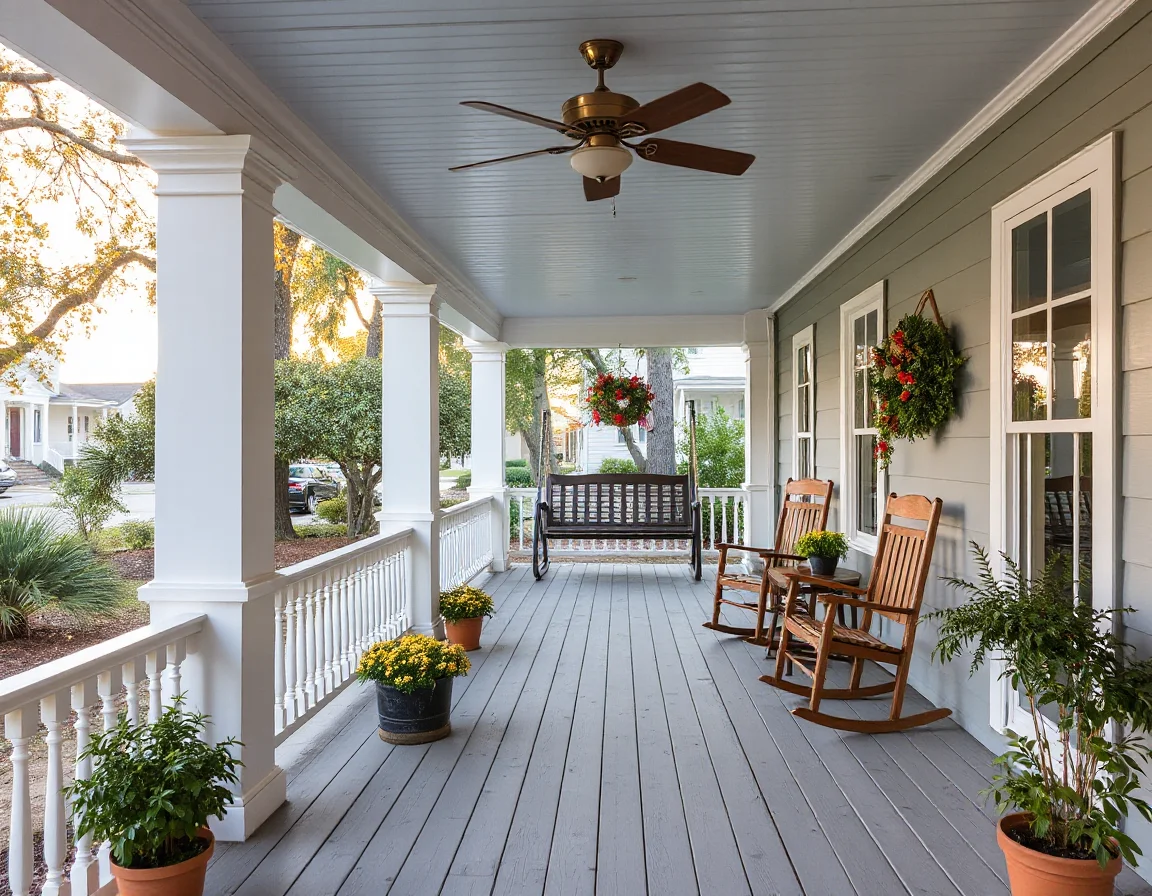
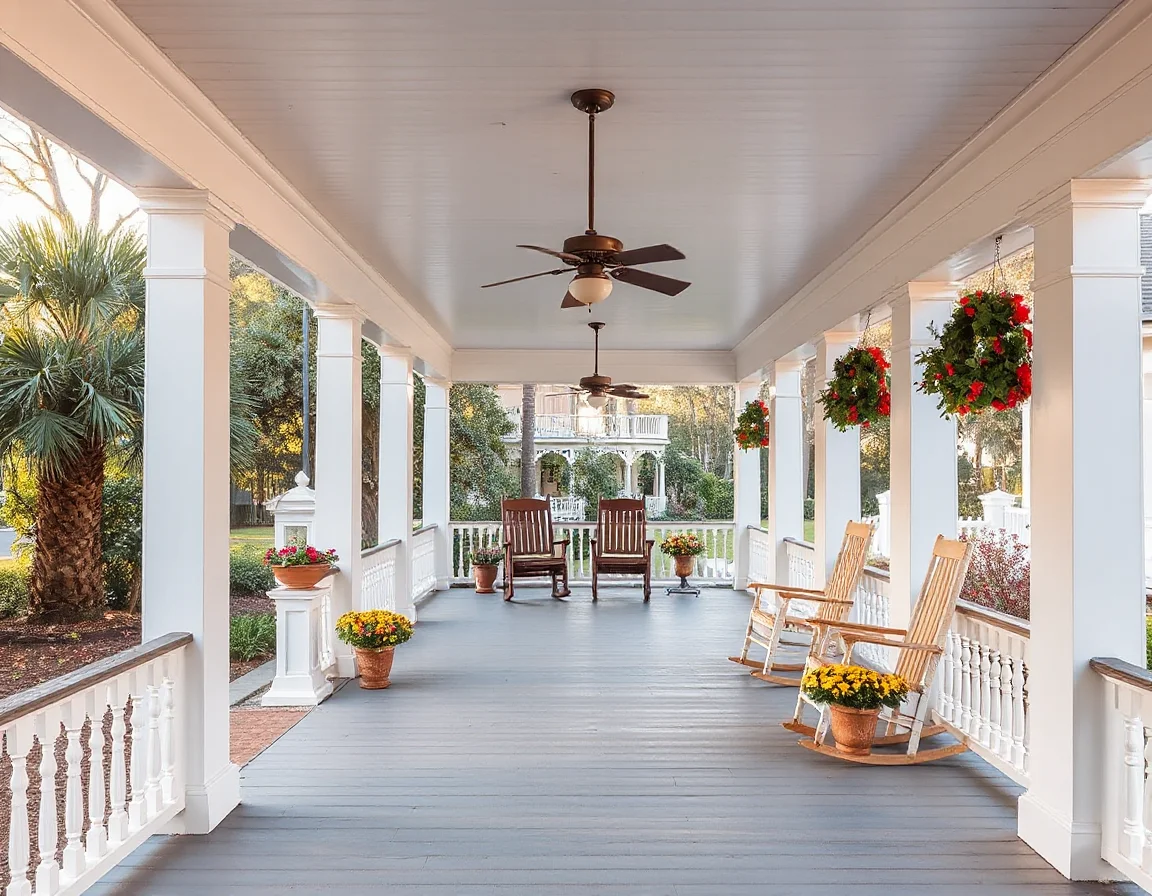
Many Old Village homes carry architectural details that cannot be replicated easily: deep porches, original millwork, heart-pine floors, tall windows, brick foundations, and additions that reflect decades of ownership. That character is a major part of the appeal, but it also means that a standard inspection should be supplemented by careful attention to age, materials, and past renovation decisions. The goal is not to avoid an older home; it is to understand its systems and steward its features wisely.
Start with the practical systems. Electrical panels, plumbing supply lines, drain lines, HVAC equipment, insulation, roofing, windows, chimneys, and foundations each deserve close review. Some older features may be in excellent condition because they have been maintained carefully; others may be nearing the end of their useful life. Specialists can provide additional guidance when an inspector identifies concerns related to masonry, wood deterioration, roofing, structural movement, or moisture.
Renovation history matters too. Request permits and contractor records for major updates whenever possible. They may show when a kitchen was remodeled, when mechanical equipment was replaced, or whether an addition was completed under current codes. For properties with historic status or location-specific review requirements, buyers should confirm which exterior changes, demolition work, site improvements, and additions may require approval. Requirements can change, so current guidance from the appropriate local authority is more reliable than assumptions based on a neighboring project.
Historic details often reward preservation-minded maintenance. Repairing a window, porch element, or original floor can sometimes be preferable to a wholesale replacement, depending on condition, budget, performance goals, and local review standards. Before planning a major project, build a realistic budget that includes design, permits, specialty trades, contingencies, and the time needed for materials or approvals.
Budget Beyond the Purchase Price
A strong offer strategy accounts for both immediate and long-term ownership costs. In addition to the mortgage payment, buyers may want estimates for homeowners insurance, flood insurance where applicable, taxes, utilities, routine maintenance, landscaping, pest management, and future capital projects. Historic properties can have uneven maintenance cycles: a roof may have years of remaining life while exterior trim, drainage work, or a mechanical system requires earlier attention.
For homes near water, include a closer look at exterior materials and maintenance exposure. Salt air, humidity, heavy rain, and seasonal storms can affect paint, fasteners, wood surfaces, roofing components, and landscaping. This does not diminish the appeal of a coastal setting; it simply reinforces the value of a maintenance calendar and well-organized records. Buyers who understand those rhythms can plan projects with more confidence.
For an older home, the best budget includes a reserve for preservation and prevention—not just a wish list of cosmetic upgrades.
Use Local Expertise Without Rushing the Decision
Old Village purchases benefit from a deliberate timeline. Before submitting an offer, review comparable sales, lot dimensions, zoning considerations, and any visible signs of deferred maintenance. During due diligence, coordinate inspections and insurance inquiries quickly, then use the results to prioritize genuine issues. A transaction may involve specialists beyond the general inspector, including a surveyor, structural engineer, roofer, HVAC contractor, electrician, pest professional, or preservation-minded builder.
It is equally important to separate character from condition. Sloping floors, hand-made trim, and period materials may be normal features of an older home, while active moisture intrusion, unsafe wiring, or compromised structural components require more immediate evaluation. Ask professionals to explain the practical implication of each finding, the likely repair range, and whether the issue needs attention now, soon, or as part of a future improvement plan.
Charleston Realty and Jayson Wingfield can help buyers organize the moving parts of a property search, from identifying homes with the right architectural and location priorities to coordinating the questions that matter before an offer becomes final. White-glove, concierge-minded guidance is especially valuable when flood documentation, insurance timing, historic details, and renovation goals all need to be considered together.
A Clearer Path to an Informed Purchase
The most successful Old Village home search combines appreciation for place with disciplined due diligence. Review the flood profile early, gather insurance information before deadlines tighten, inspect older systems thoroughly, and verify what may be involved before planning exterior changes. With a complete picture of the property’s condition and ongoing responsibilities, buyers can focus on the qualities that made the home stand out in the first place: its craftsmanship, setting, history, and potential for years of thoughtful ownership.