

Salt air, intense sun, wind-driven rain, and seasonal storms make routine home care especially important on Sullivan’s Island. A practical maintenance plan can help preserve exterior finishes, reduce avoidable repairs, and give owners a clearer starting point before storm season arrives.
Why Coastal Maintenance Needs Its Own Calendar
Living near the Atlantic brings a remarkable setting, but it also places building materials under steady pressure. Salt particles travel well beyond the shoreline, settling on railings, windows, outdoor fixtures, HVAC equipment, roofs, and painted trim. Add high humidity, summer heat, shifting winds, and occasional severe weather, and even well-built homes benefit from a more intentional maintenance rhythm than properties farther inland.

The goal is not to eliminate exposure; it is to spot small issues before they become expensive ones. A loose fastener, cracked caulk line, clogged gutter, or minor paint failure can allow moisture into places where it does not belong. On a barrier island, prompt attention to these details can help protect finishes, framing connections, exterior equipment, and the comfort of the interior.
A useful approach is to divide care into three categories: monthly visual checks, spring and fall service appointments, and a focused pre-storm review. Keep a simple record of completed work, warranties, contractor contacts, photographs, and receipts. That documentation can be helpful for planning future projects and may also make an insurance conversation easier if a weather event causes damage.
A quick freshwater rinse of exterior metal, outdoor furniture hardware, railings, and exposed equipment can remove salt residue before it has time to accelerate corrosion.
Owners of historic and custom-built homes may also want to work with professionals familiar with coastal materials and preservation considerations. The right repair is often more than a cosmetic match: it should account for ventilation, drainage, wind exposure, compatible sealants, and the way the original assembly was designed to perform. For major exterior changes, verify current town requirements, permitting rules, and any applicable design review guidance before work begins.
Start With the Exterior Envelope
Your home’s exterior envelope includes the roof, siding, trim, windows, doors, flashings, sealants, decks, porches, and drainage components that help direct water away from the structure. These elements deserve a close look before the height of hurricane season, particularly after a winter of coastal wind and spring rainfall. A qualified roofer can inspect shingles or metal panels, penetrations, flashing, gutters, and fasteners while identifying maintenance that may not be visible from the ground.
Walk the property after a heavy rain and note where water collects. Downspouts should move water away from the foundation area, while grading and drainage paths should remain clear of mulch buildup, debris, or displaced soil. Check porch ceilings, soffits, and exterior walls for staining, peeling paint, soft spots, or mildew. These signs do not automatically indicate a major problem, but they are useful reasons to schedule a closer assessment.
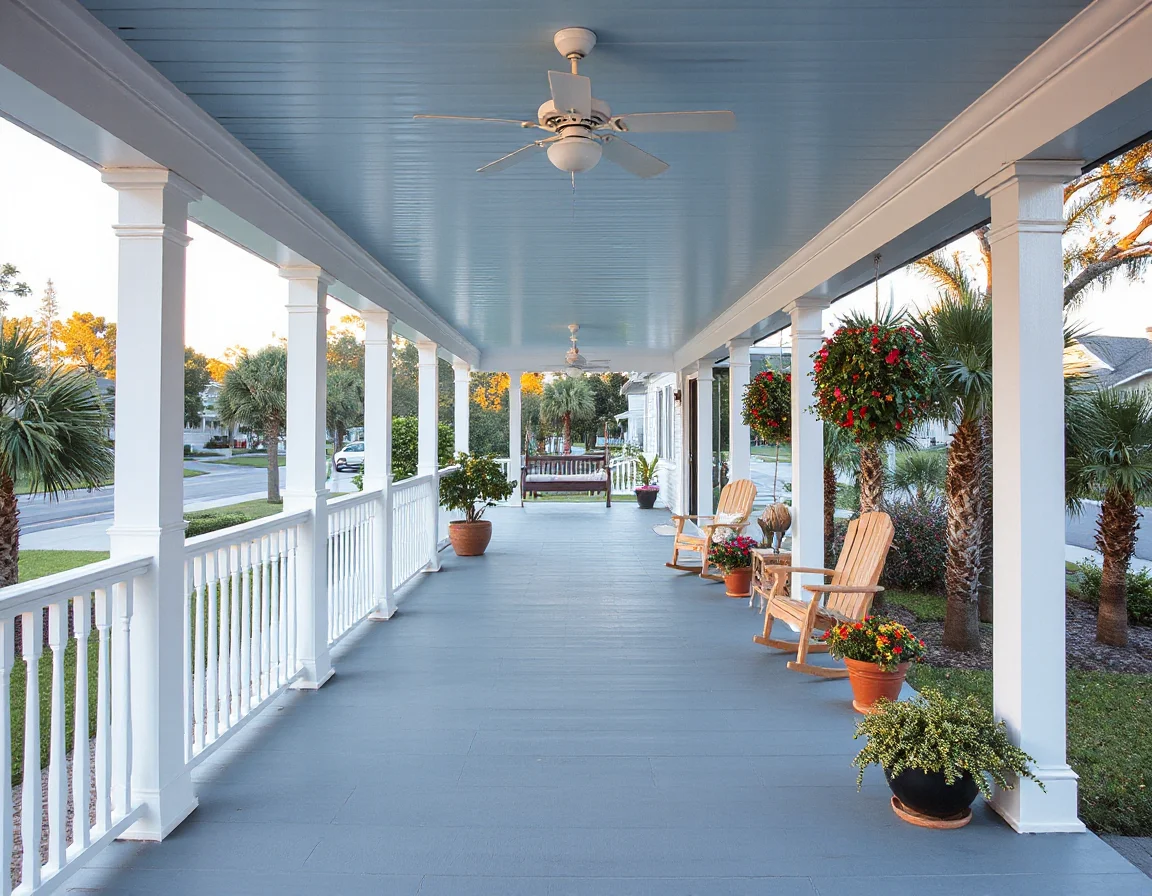
Windows and doors need equal attention. Inspect weatherstripping, door sweeps, locks, hinges, and caulk joints around frames. If your home has storm shutters or impact-rated openings, confirm that all panels, tracks, fasteners, and operating instructions are accessible and in good condition. Store removable components together in a dry, labeled location so they are ready when needed rather than searched for under time pressure.
Decks, stairs, handrails, and elevated connections should be checked for corrosion, loose hardware, deteriorated boards, and water-trapping areas. Coastal-grade stainless steel and other corrosion-resistant products can be appropriate in many applications, but no material is completely maintenance-free in a salt-air environment. A contractor can advise on compatible replacement parts and whether existing hardware should be cleaned, coated, or replaced.
Complete exterior repairs before a storm watch is issued whenever possible; contractors, materials, and service appointments can become difficult to secure once severe weather is in the forecast.
Protect Mechanical Systems and Outdoor Equipment
Salt air can be hard on HVAC condensers, electrical fixtures, pool equipment, generators, gate hardware, and irrigation controls. Have heating and cooling equipment serviced on the schedule recommended by its manufacturer, and ask the technician to evaluate corrosion, coil condition, drainage, electrical connections, and protective coatings. Avoid enclosing equipment in a way that restricts airflow; proper clearance matters for performance and service access.
Outdoor lighting is another worthwhile checkpoint. Replace damaged lenses, inspect mounting hardware, and make sure fixtures are appropriately rated for their location. If you have a generator, review its maintenance log, fuel plan, transfer switch, and operating instructions with a qualified provider. Storm preparation is easier when systems are maintained throughout the year rather than tested for the first time immediately before an event.
Landscaping deserves a practical storm-season review as well. Remove dead limbs, assess trees with an arborist when needed, secure decorative items, and inspect fencing and gates. Keep drains, scuppers, and swales free of leaves and sand. Native or salt-tolerant planting choices may help a landscape handle coastal conditions, but drainage, root health, and regular pruning still matter.
Build a Storm-Ready Home Plan
A storm plan should be specific to the property. Review your insurance policies and deductibles, including flood coverage if applicable, with your insurance professional. Photograph each room, important finishes, appliances, exterior elevations, and valuable personal property. Save copies of policies, contacts, prescriptions, account information, and important records in secure digital storage as well as a waterproof physical container.
When severe weather is possible, bring in outdoor furnishings, planters, grills, and loose décor; secure shutters or protective systems according to manufacturer instructions; clear drainage routes; and charge essential devices. Follow official local emergency management guidance for evacuation decisions, road conditions, and re-entry procedures. Do not make repairs or inspect exterior damage until conditions are safe and authorities have indicated that travel is appropriate.
After a storm, document visible conditions before beginning cleanup if it is safe to do so. Look for roof debris, displaced siding, water intrusion, standing water, damaged screens, and compromised fencing. Temporary mitigation may be necessary to prevent further damage, but retain invoices and photographs. For structural concerns, electrical issues, gas odors, or downed lines, contact qualified professionals and the appropriate utility or emergency resource.
Explore Sullivan’s Island real estate
Maintenance Supports Long-Term Value
Coastal ownership is most rewarding when regular care becomes part of the home’s annual routine. A thoughtful plan helps preserve architectural details, improves the chances of catching moisture issues early, and makes seasonal preparation less stressful. Whether the property is a waterfront residence, a historic cottage, or a newer island home, detailed records and qualified local service providers can bring welcome clarity to every maintenance decision.
For owners considering a future sale, well-organized upkeep records can also help communicate how the property has been cared for. Charleston Realty and Jayson Wingfield can provide a tailored perspective on preparing a Sullivan’s Island home for the market, including presentation priorities that respect the property’s coastal setting and distinctive features.