
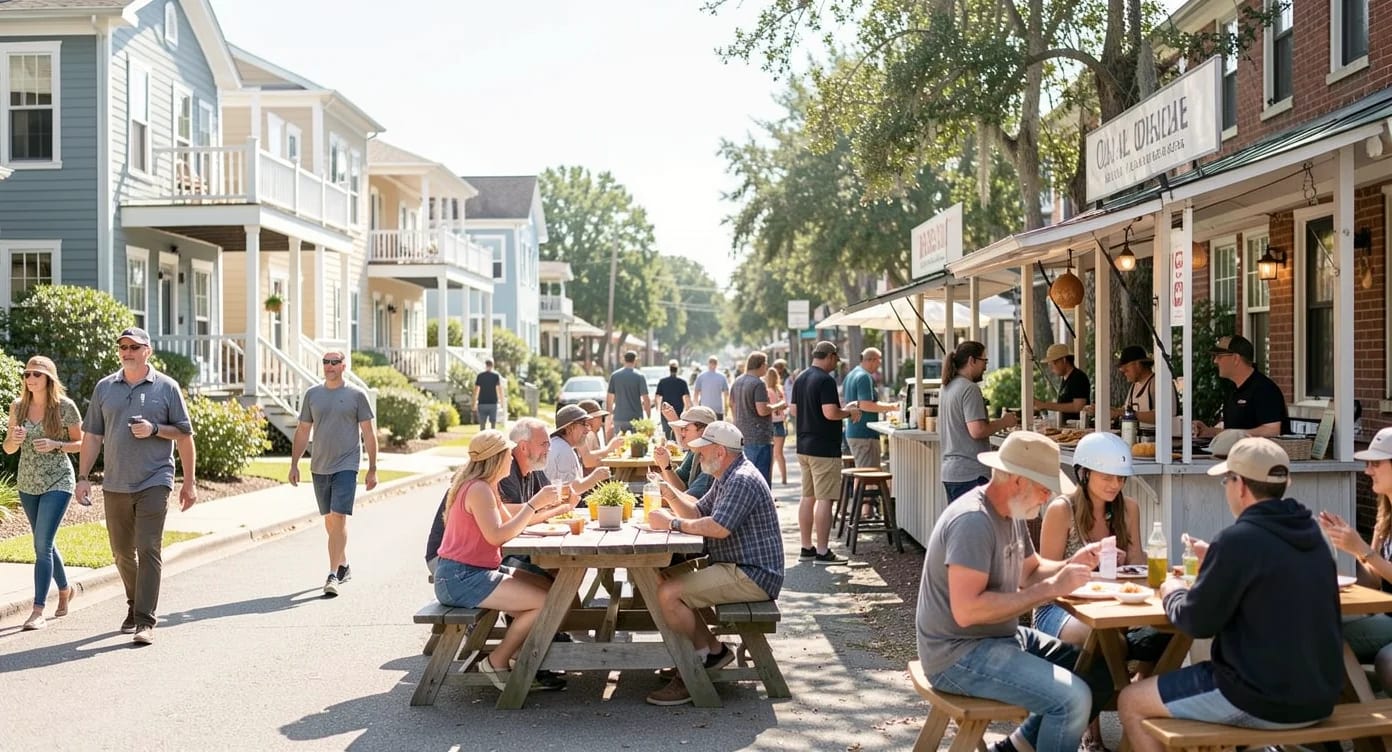
Old Village pairs historic streets and local gathering places with some of Mount Pleasant’s most memorable harbor views. Explore the landmarks, dining, and outdoor spaces that give the neighborhood its character, then learn what to consider when comparing homes here.
A closer look at Old Village
In Old Village, a day can move from a shaded residential street to a view across the Charleston Harbor in just a short outing. This established Mount Pleasant neighborhood is known for its historic architecture, mature trees, and connection to the water. Along the way, small businesses and public gathering places give visitors plenty of reasons to slow down and explore.
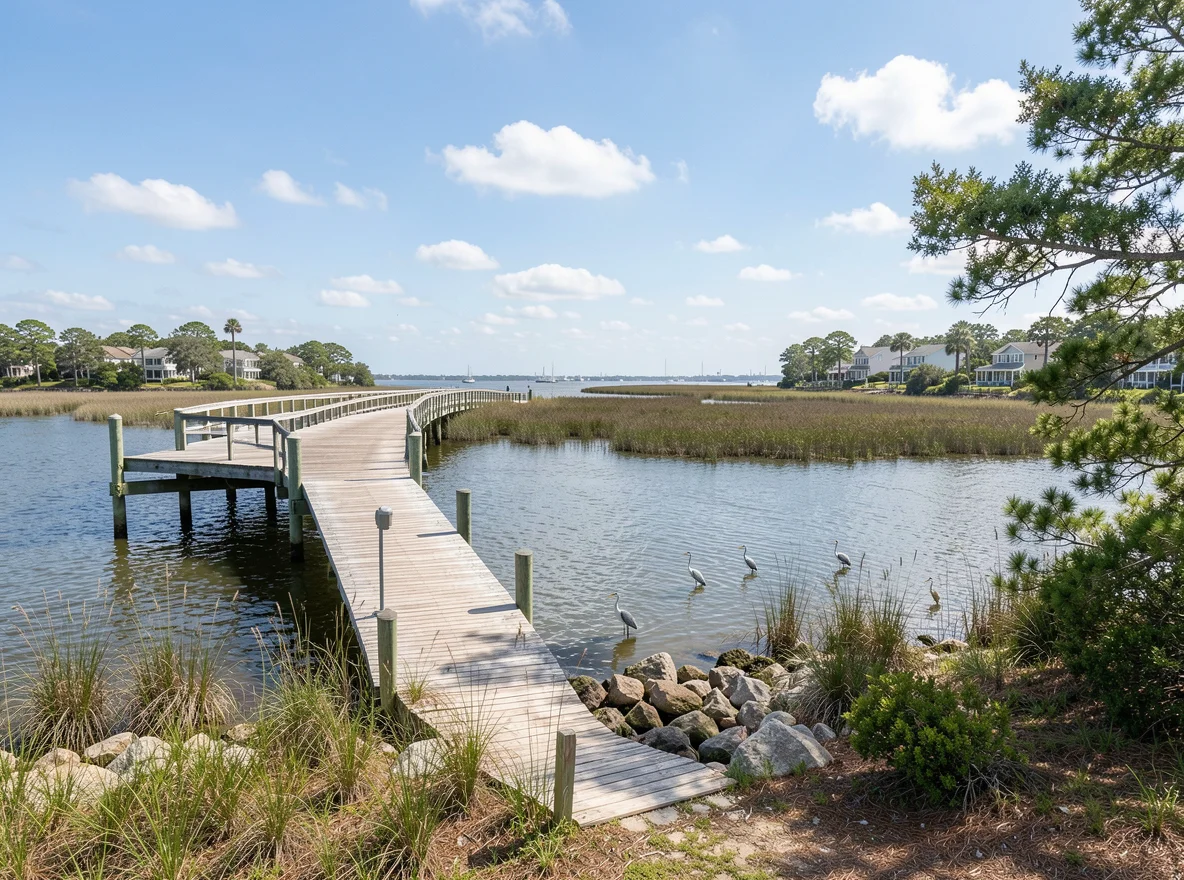
One of the neighborhood’s best-known destinations is the Pitt Street Bridge, a former bridge corridor now enjoyed as a waterfront park and fishing pier. The open views over tidal water and marsh make it a rewarding stop for a walk, a little fishing, or simply watching the light change. Conditions can vary with the weather and tide, so bring sun protection and check local conditions before heading out.
Not far away, Alhambra Hall and its surrounding grounds offer another perspective on the harbor. The historic public building is used for events, while the waterfront setting makes the area a notable landmark to see during a neighborhood visit. Check town information for current access and event schedules, particularly if you are planning a visit around a specific activity.
Pitt Street Bridge and Alhambra Hall offer two different waterfront stops: one extends toward the marsh, while the other looks out from a historic public gathering place.
Old Village rewards an unhurried look beyond its landmarks, too. Architectural details, established landscaping, and changing glimpses of the water make the streets part of the experience. Walking or driving through at different times of day can help you understand the setting and the routes you might use most often.
Pitt Street, dining, and nearby stops
The Pitt Street area gives Old Village a small-scale commercial center within reach of its residential streets. A visit to the Old Village Post House or Pitt Street Pharmacy offers a sense of the neighborhood’s longstanding connection to local food and gathering places. Hours, menus, and services can change, so it is worth checking directly before making plans.
Dining options extend beyond the neighborhood itself. Nearby Shem Creek is known for waterfront dining and views of boats moving along the creek, while other parts of Mount Pleasant offer additional places to eat, shop, and pick up everyday essentials. The trip to a favorite destination will depend on the exact address and traffic, so test the route rather than relying on a general estimate.
For a broader outing, Charleston’s historic peninsula is across the Arthur Ravenel Jr. Bridge, and Sullivan’s Island offers a coastal destination east of Mount Pleasant. Those connections add variety to a day based in Old Village: a morning near the harbor can be followed by an afternoon exploring historic streets or the shoreline. Seasonal traffic and bridge conditions are useful considerations when planning the trip.
Homes with Lowcountry character
Residential streets in and around Old Village include historic properties alongside more recently built and renovated homes. Porches, traditional details, and mature landscaping contribute to the area’s distinctive appearance, although architecture and lot sizes vary from one property to the next. Some homes have water views or waterfront locations; others are farther inland, with public waterfront destinations accessible elsewhere in the neighborhood.
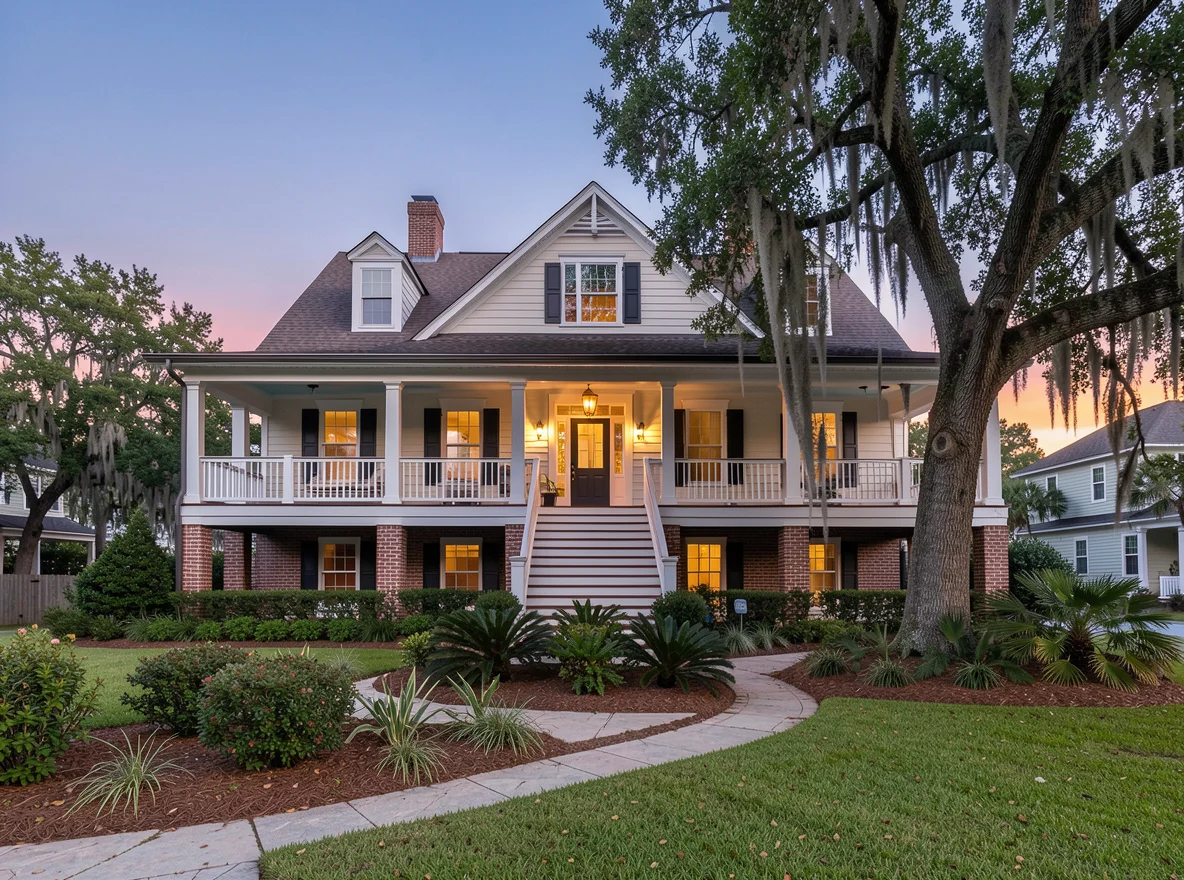
When comparing listings, look beyond the photograph of the facade. The age and condition of the roof, windows, foundation, and mechanical systems can affect ownership costs. For an older home, ask about renovation records and maintenance history, and discuss inspections with qualified professionals. A newer or extensively updated property can also benefit from careful review of its construction and documented improvements.
Historic character may come with rules governing exterior changes. Before purchasing a property you hope to alter, confirm whether it falls within a historic district or is subject to design review, and ask the Town of Mount Pleasant which approvals may apply. A planned addition, porch alteration, or window replacement may require a different process depending on the property and the proposed work.
Waterfront appeal also calls for property-specific research. Review flood-zone information, elevation documents if available, drainage, and the cost and terms of insurance. Standard homeowners insurance generally does not cover flooding, so ask an insurance professional about separate flood coverage and any applicable wind coverage. For a property with a dock or shoreline access, verify permits, maintenance responsibilities, and any restrictions rather than assuming a feature can be added or changed.
A harbor view and waterfront ownership are not the same thing. Confirm access, property boundaries, and any dock-related permissions for the specific home.
Planning a visit and comparing listings
Start with the features that matter most to you: proximity to the water, a particular architectural style, outdoor space, or room for a home office. Then compare current listings using recent, relevant sales with an agent’s help. Because properties can differ considerably in condition, location, and waterfront features, a neighborhood-wide price alone may not tell you much about an individual home.
It can also help to visit at more than one time of day. Notice the route to the places you expect to use, the amount of shade around the property, and how the outdoor spaces feel in changing light. If school assignment is part of your search, verify the current assignment and enrollment information directly with the school district for each address; boundaries and policies can change.
Whether you come for a walk by the water or are beginning a home search, Old Village offers a chance to experience historic Mount Pleasant at a thoughtful pace. Explore the public spaces, visit the local businesses, and take time to understand each property’s details. The combination of neighborhood character and practical research can make the next step in your search much clearer.