
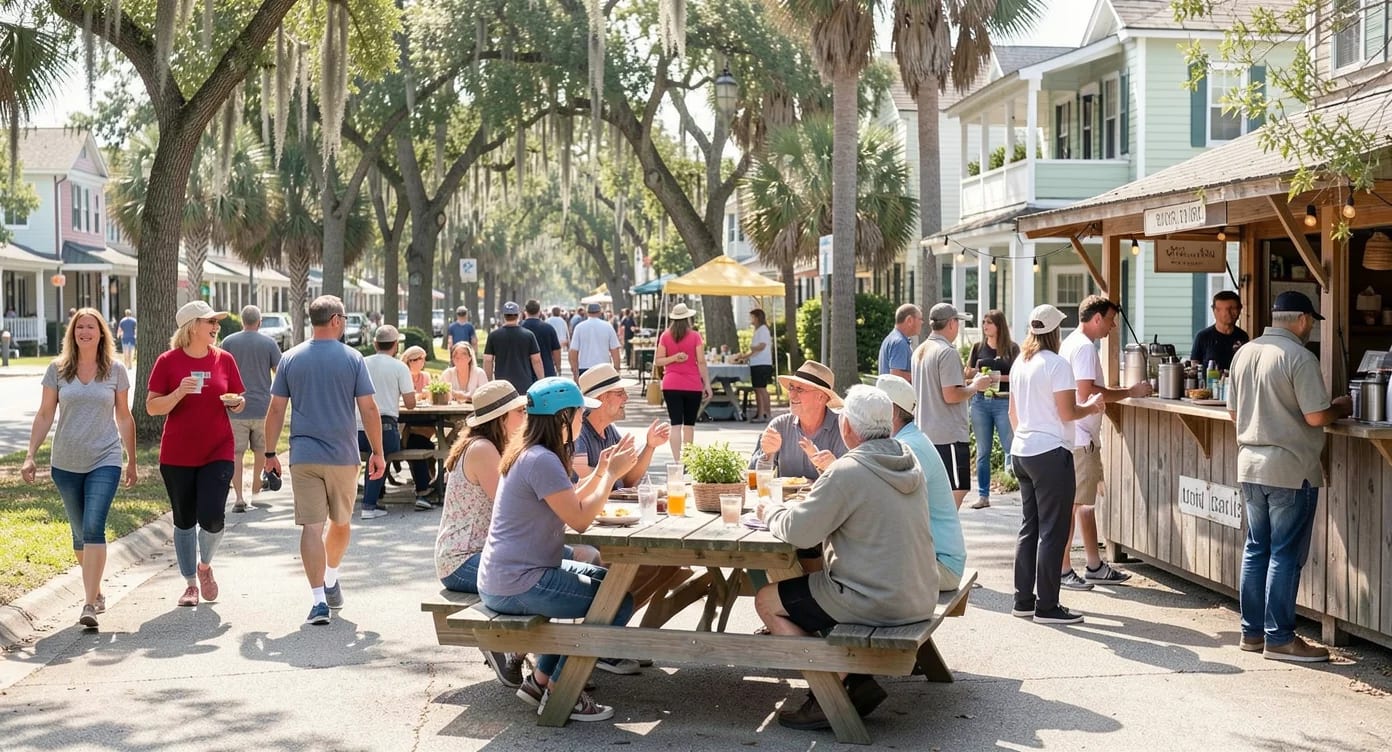
Charleston’s waterfront parks, neighborhood dining, and historic streets offer more than a memorable visit—they help shape the rhythm of everyday life. Explore the places residents return to, then learn how to compare schools, commutes, and coastal property considerations before choosing a home.
A City Shaped by the Water
In Charleston, the water is rarely just a backdrop. Harbor views appear between historic buildings, tidal creeks wind through the surrounding Lowcountry, and public parks offer places to pause along the shoreline. For anyone considering a move, exploring these spaces is a way to understand how geography influences both recreation and daily routines.
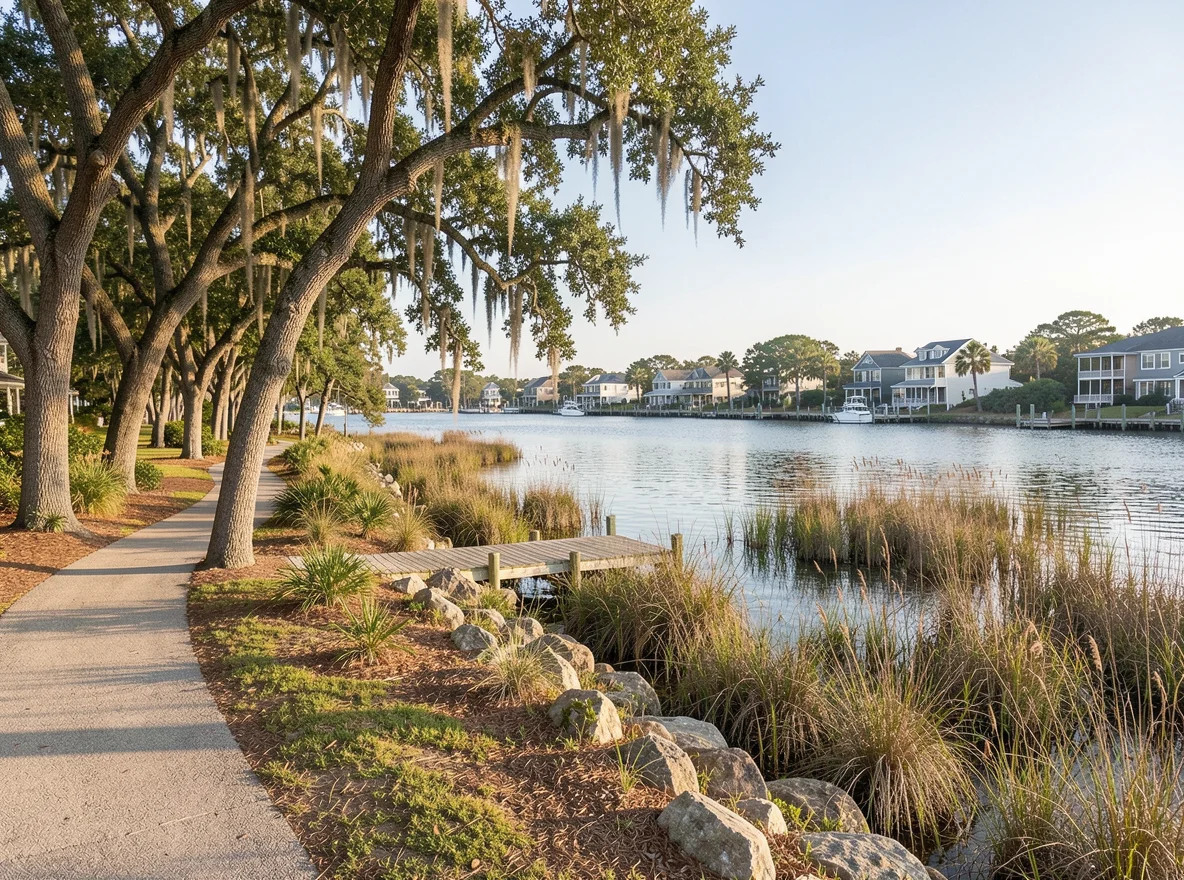
Joe Riley Waterfront Park on the peninsula’s eastern edge is a popular place for a harbor-side walk, with paths, shade, and views toward the Cooper River. At the southern end of the peninsula, White Point Garden sits beside the Battery, where historic homes face the water and the promenade invites a slower look at the harbor. Both offer a sense of the city’s maritime setting without requiring a boat or a waterfront address.
Other green spaces provide a different perspective. Hampton Park, farther north on the peninsula, offers paths, open lawns, and gardens away from the harbor edge. Across the Ashley River, the West Ashley Greenway follows a former rail corridor and gives walkers and cyclists a longer route through the area. Each park serves a different purpose, so consider which one fits the outings you actually enjoy.
A harbor view and easy access to a waterfront park are different features. When comparing homes, check the actual route to the public space you expect to use.
For a broader outing, James Island County Park offers trails, picnic areas, and recreational facilities. Park hours, fees, and amenities can change, so check current information before planning a visit. Exploring on an ordinary weekday as well as a weekend can reveal how parking, traffic, and activity levels fit your routine.
Dining That Becomes Part of the Routine
Charleston’s food scene extends well beyond a special night out. On and around the peninsula, dining ranges from casual breakfast counters and neighborhood lunch spots to seafood kitchens and restaurants serving contemporary interpretations of Lowcountry cooking. West Ashley and nearby communities add more options, making it worthwhile to explore beyond the best-known visitor corridors.
Local menus often reflect the region’s relationship with the coast and surrounding farms. Shrimp and grits, oysters, seasonal produce, and rice dishes are among the flavors you may encounter, although offerings vary by restaurant and season. A good way to get acquainted is to choose a neighborhood, walk a few blocks, and notice where you would actually stop for coffee, groceries, or an unplanned dinner.
Marion Square hosts the Charleston Farmers Market seasonally, bringing local growers and makers into a central gathering place. Check the current schedule before visiting. Markets and community events can be useful introductions to a neighborhood, but they are only one part of the picture: consider the year-round availability of the everyday services you rely on, too.
Look beyond the destination list
When touring a property, map the trip to a grocery store, pharmacy, medical office, and a few places you would visit regularly. A home near a celebrated dining district may be convenient for evenings out, while another location may make errands simpler. Neither is automatically better; the right balance depends on the routes and amenities that matter to you.
Explore downtown Charleston neighborhoods
Neighborhood Character and Everyday Access
Charleston’s neighborhoods offer a range of settings, from historic streets on the peninsula to residential areas west of the Ashley River. Harleston Village, the French Quarter, and Ansonborough each have distinct streetscapes and connections to downtown amenities. In West Ashley, homes and commercial areas are spread across a larger area, so daily distances can vary considerably from one address to another.
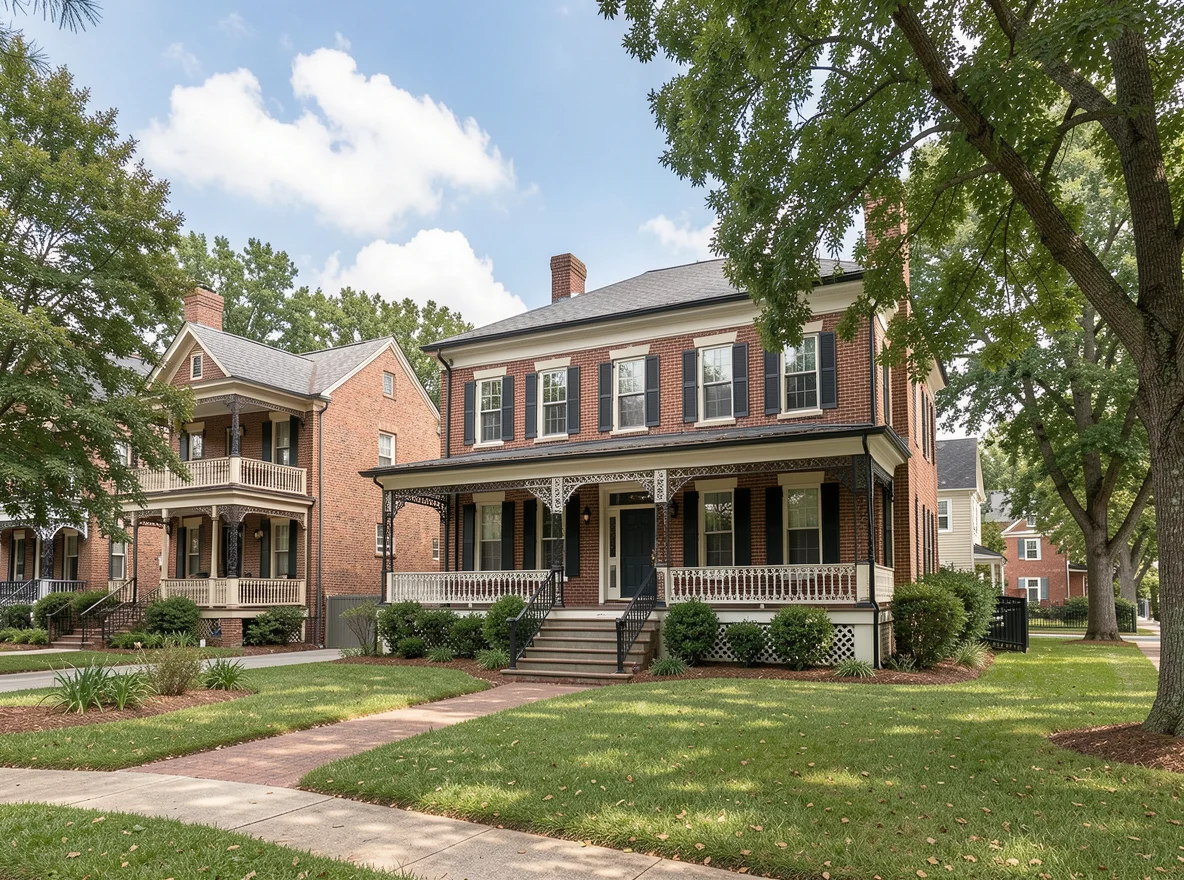
On the peninsula, historic architecture, smaller lots, and proximity to restaurants or parks may be part of the appeal. Elsewhere, buyers may encounter a wider variety of lot sizes, construction periods, and parking arrangements. Condominiums can offer another way to live close to attractions, but their monthly fees, insurance arrangements, and association rules deserve a careful review.
Walkability is also address-specific. A short distance on a map does not always reveal sidewalk conditions, busy intersections, summer heat, or where you can park when you return home. Visit at the times you expect to travel, test your usual routes, and ask about parking restrictions before making assumptions about convenience.
Driving patterns matter throughout the region because waterways and bridges shape how people move between communities. Travel times can change with the hour, weather, and events. CARTA provides public transit in the Charleston area, but routes and schedules vary; review the current service map if transit is part of your plan.
Try the same commute at the time you would normally make it. A route that feels effortless during a midday showing can look different at the start or end of the workday.
Community life is equally practical and personal. A neighborhood may connect you to a park, library, local event, or familiar dining spot, but the details are best experienced firsthand. Take a walk, make an errand run, and notice how the place feels across more than one visit.
Schools and Services: Verify by Address
School information is an important part of many home searches, and the most reliable starting point is the property’s exact address. Charleston County School District serves much of the area, while school assignments, enrollment options, and program availability can change. Confirm current attendance zones and eligibility directly with the relevant district before relying on a listing description or an older map.
The same address-by-address approach applies to other services. Ask about internet availability, waste collection, parking, and any neighborhood or condominium association responsibilities. If proximity to a particular medical provider, library, or recreation center matters, check the route and current operating hours rather than estimating from a map alone.
For sellers, these details can help buyers understand a property’s practical advantages. Gather accurate information about improvements, association documents, parking, and nearby public amenities, while avoiding claims that depend on unverified school assignments or travel times. Clear, factual information helps buyers evaluate the home on its merits.
Buying and Selling in a Coastal Setting
Waterfront access and historic character can influence the experience of owning a Charleston property, but each home comes with its own costs and questions. Buyers should review available flood information, obtain current insurance quotes, and discuss drainage, elevation, and maintenance with qualified professionals. A property does not need to sit directly on the water for flooding or insurance to be relevant.
Historic properties may bring additional considerations, especially when exterior changes are planned. Depending on the address and scope of work, preservation review or other approvals may apply. Before assuming a porch, window, addition, or other feature can be altered, check the applicable requirements with the city and appropriate professionals.
Market conditions also differ by property type and location. A downtown condominium, a historic single-family home, and a property near a tidal creek are not interchangeable comparisons. Buyers should look at recent comparable sales and current competition; sellers should consider condition, location, and property-specific expenses when setting expectations. A local real estate professional can help interpret those details without relying on broad citywide averages.
Ultimately, the best way to understand Charleston is to pair its inviting scenery with a close look at the everyday details. Spend time by the harbor, sample a neighborhood’s dining options, test your regular routes, and investigate the property itself. Those steps turn a pleasant first impression into a more informed decision about buying or selling in the Lowcountry.