
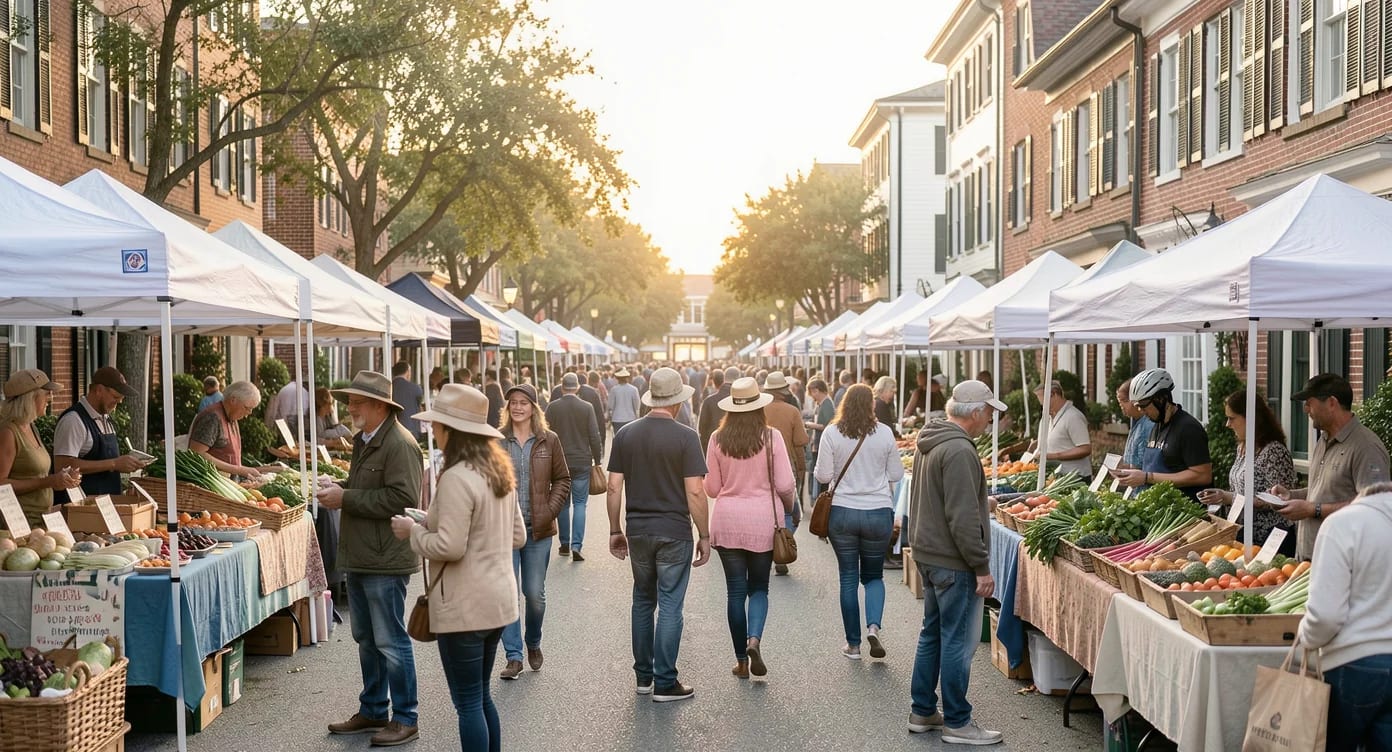
Home tours and garden walks offer a rare look beyond South of Broad’s historic facades. For buyers and sellers, these events reveal how architecture, outdoor spaces, and preservation shape the experience of owning a Charleston home.
A Different Way to Discover South of Broad
South of Broad is best explored at a walking pace. Brick walls border leafy courtyards, ironwork frames narrow entrances, and shaded piazzas offer glimpses of the relationship between a house and its garden. Seasonal tours can open another layer of the neighborhood, inviting visitors to see spaces normally hidden from the street.
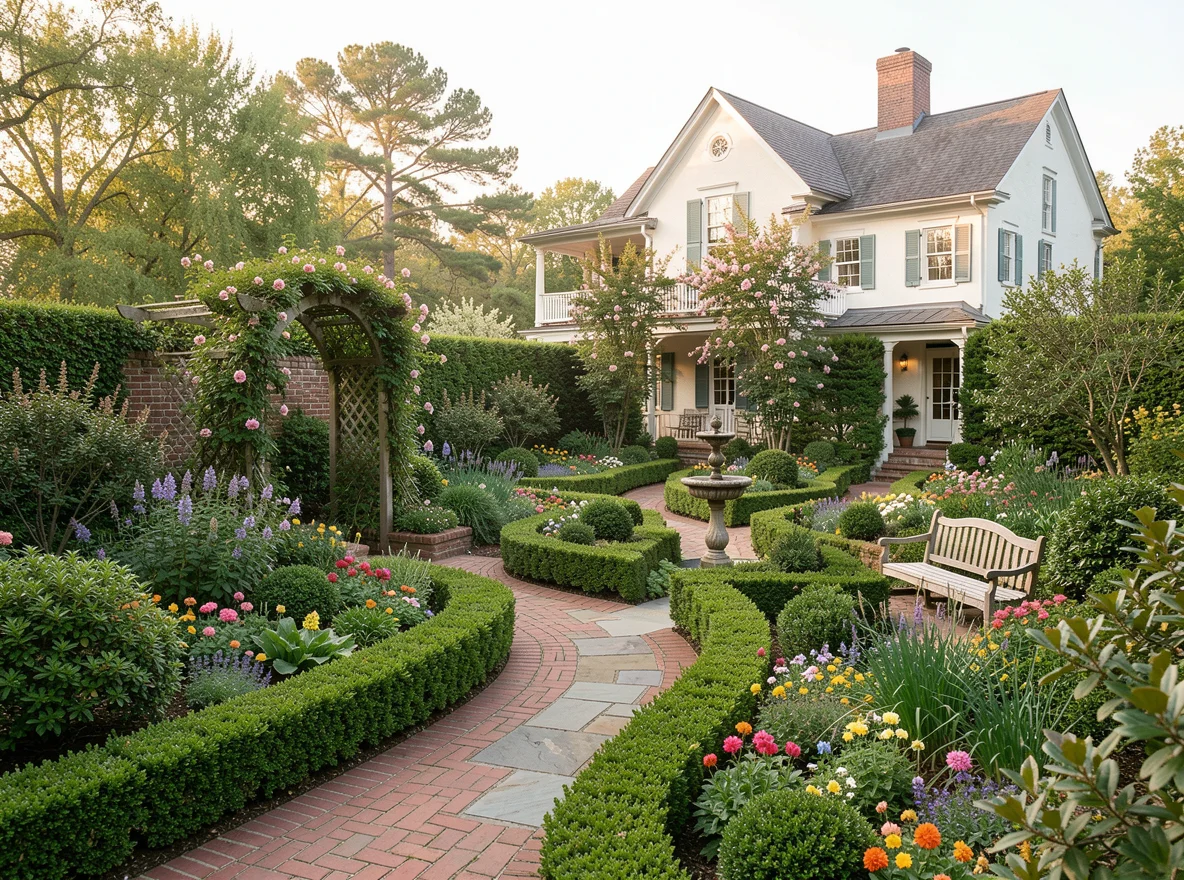
For someone considering a purchase, a tour is an opportunity to notice details that photographs cannot always convey: the depth of a porch, the way natural light reaches an interior, or how a courtyard creates separation from the street. Sellers can also see how thoughtful presentation draws attention to architectural character and outdoor living space.
Events are only one part of the experience. A walk along the Battery, a visit to White Point Garden, and a meal elsewhere on the peninsula can help put the neighborhood in context. The streets south of Broad Street include a variety of historic homes, and each block has its own combination of scale, views, and surroundings.
Keep in mind that a home on a tour is not necessarily for sale, and a tour route may include properties outside South of Broad. The value is in learning how historic Charleston spaces work, then bringing those observations to your own property search or selling plans.
A garden tour can reveal more than landscaping: look at shade, drainage, privacy, and the connection between outdoor rooms and the house.
Home Tours and Seasonal Gatherings to Watch
Charleston’s preservation organizations offer a useful starting point when planning a visit. Historic Charleston Foundation’s Festival of Houses and Gardens has featured tours of private properties and other programs celebrating the city’s architecture and gardens. The Preservation Society of Charleston has also offered fall tours highlighting historic places and gardens.
Programs, participating properties, and schedules change, so check each organization’s current calendar before making plans. Confirm whether a particular event includes South of Broad, what the ticket covers, and whether advance reservations are required. Some programs focus on a single property or garden; others invite visitors to explore a selection of sites.
Spring brings an especially appealing reason to look closely at gardens, while fall programming can offer another perspective on the peninsula’s historic streets and interiors. Local lectures and preservation-focused gatherings may add context about the craftsmanship and decisions behind the spaces you see. Rather than trying to cover every event, choose one or two that match your interests and leave time to explore the surrounding area.
Practical details matter, too. Review the organizer’s information about walking distances, steps, photography, parking, and accessibility before buying tickets. Private homes and gardens may have restrictions that differ from one event to the next. Respect posted rules and remember that neighboring residences remain private, even when a nearby property is open for a tour.
What Historic Homes Can Teach Buyers
A tour can sharpen your understanding of features often associated with Charleston homes, from piazzas and tall windows to brickwork and carefully planned gardens. Notice how rooms connect, where storage has been incorporated, and whether outdoor areas feel like useful extensions of the interior.
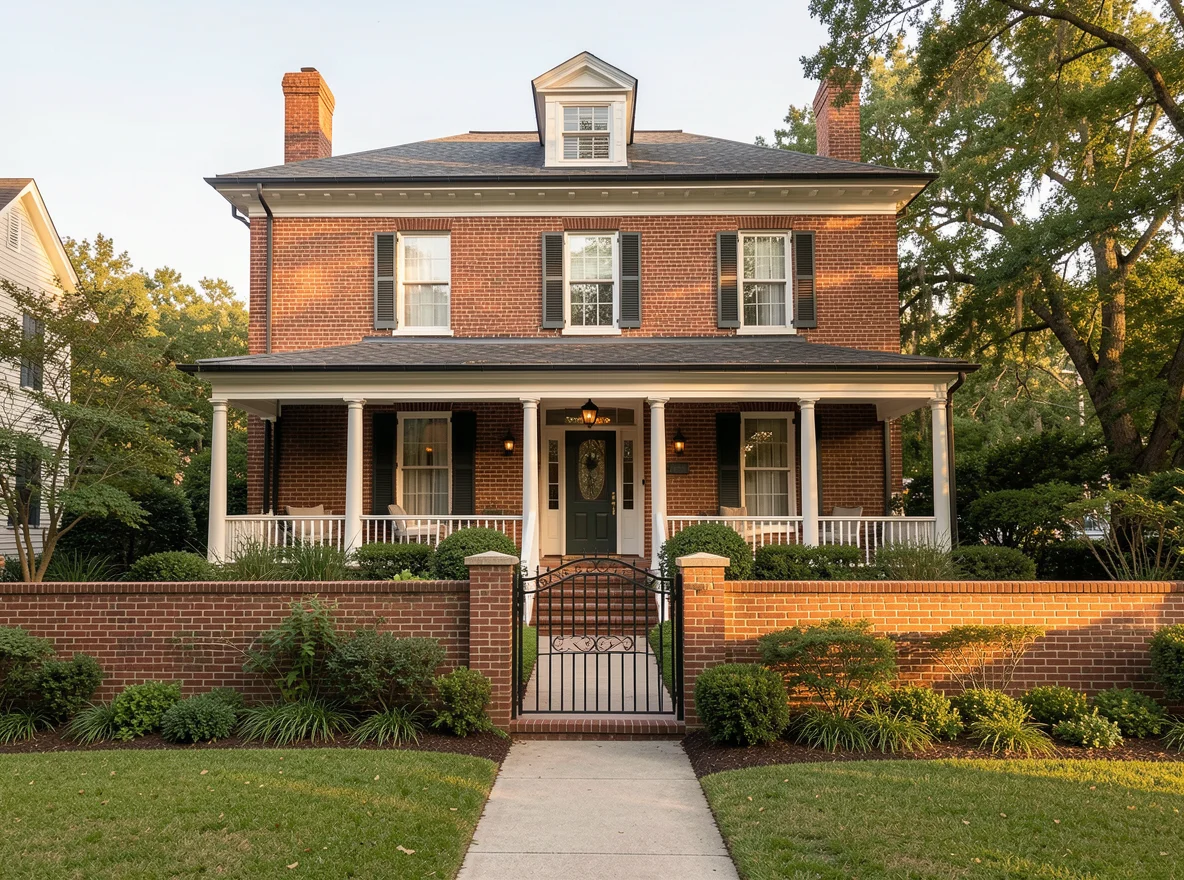
Look beyond the most memorable decorative details. An older property may have a distinctive layout, a compact garden, or parking arrangements that deserve a closer look. Consider how each feature would work in your day-to-day routine and what questions you would want answered during a showing of a home actually on the market.
Historic character also comes with practical due diligence. When evaluating a specific property, ask about its maintenance history, insurance options, flood exposure, and any applicable preservation requirements. Inspections and advice from qualified professionals can help you understand the condition of features such as masonry, windows, roofing, and drainage.
Renovation rules depend on the property and the proposed work. Before assuming a change is possible, verify the relevant requirements with the City of Charleston and discuss your plans with appropriate design and preservation professionals. A beautiful example on a tour can inspire ideas, but it does not establish what will be approved at another address.
Tour inspiration is a starting point, not a renovation plan. Confirm property-specific preservation requirements before budgeting for exterior changes.
Market conditions matter as much as architecture. Compare current listings and recent comparable sales with an agent rather than treating a tour property as a price benchmark. Location, condition, lot characteristics, parking, and renovation history can all affect how one home compares with another.
A Fresh Perspective for Sellers
For owners preparing to sell, these events offer ideas for presenting a historic property without losing what makes it distinctive. A clear view of an original detail, a well-kept entry, or a comfortable seating area on a piazza can help prospective buyers understand how the home’s spaces relate to one another.
Gardens deserve attention as well. Consider simple maintenance before photography and showings: tidy paths, address overgrowth, and make entrances easy to navigate. The goal is not to recreate a formal tour garden, but to show the outdoor space honestly and at its best. Inside, reducing visual clutter can make proportions, natural light, and architectural features easier to appreciate.
Gathering records is another worthwhile step. Documentation of repairs, renovations, permits, and routine maintenance can help buyers and their advisers assess the property. An agent can also help you consider which features to highlight and how to position the home against relevant current listings and recent sales.
Turn a Visit Into a Better-Informed Decision
Whether you attend a preservation program or simply walk the neighborhood, give yourself time to notice the details around you. Compare the feeling of a shaded side street with a more open waterfront setting, explore the connections between gardens and houses, and make a list of the features that matter most to you.
Then connect those impressions to the practical side of a transaction. Jayson Wingfield of Charleston Realty works with buyers and sellers of historic homes and can help you explore South of Broad properties, consider comparable sales, and identify questions to investigate before making a decision.
A tour may last only an afternoon, but its insights can stay with you long afterward. Let the gardens and architecture spark your curiosity, then use careful research and property-specific advice to take the next step with confidence.