
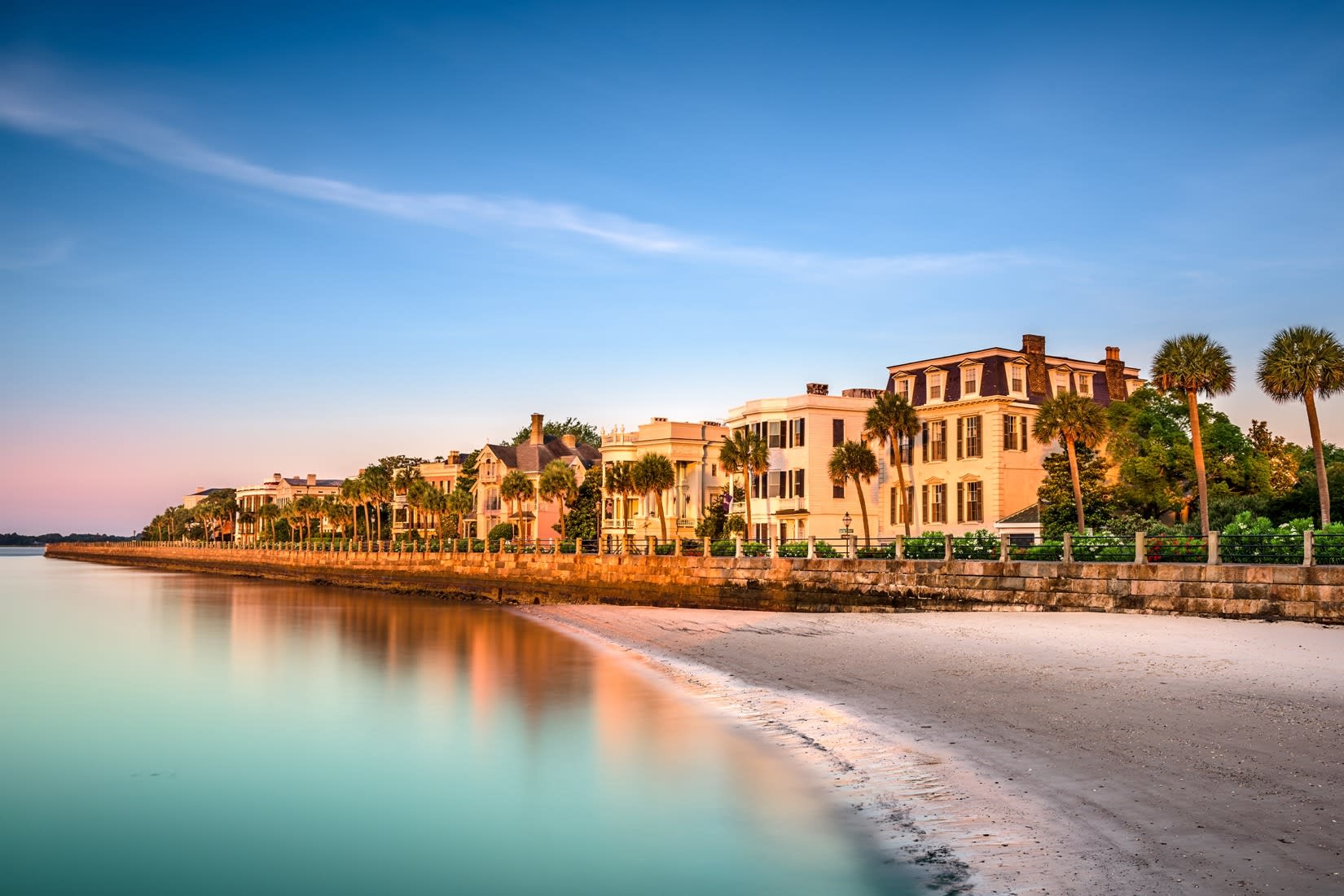
South of Broad puts Charleston’s harbor views, shaded parks and historic streets within reach of downtown dining and cultural attractions. For buyers and sellers, understanding the neighborhood also means looking closely at preservation requirements, flood exposure, parking and the details that distinguish one historic property from another.
A neighborhood shaped by the water
At the southern end of the Charleston peninsula, South of Broad unfolds below Broad Street in a mix of residential blocks, gardens and waterfront streets. Walk toward the Battery and the setting opens to Charleston Harbor, where the breeze and changing light offer a contrast to the shaded streets inland. The area’s appeal comes from that balance: a historic residential setting connected to the wider activity of the peninsula.
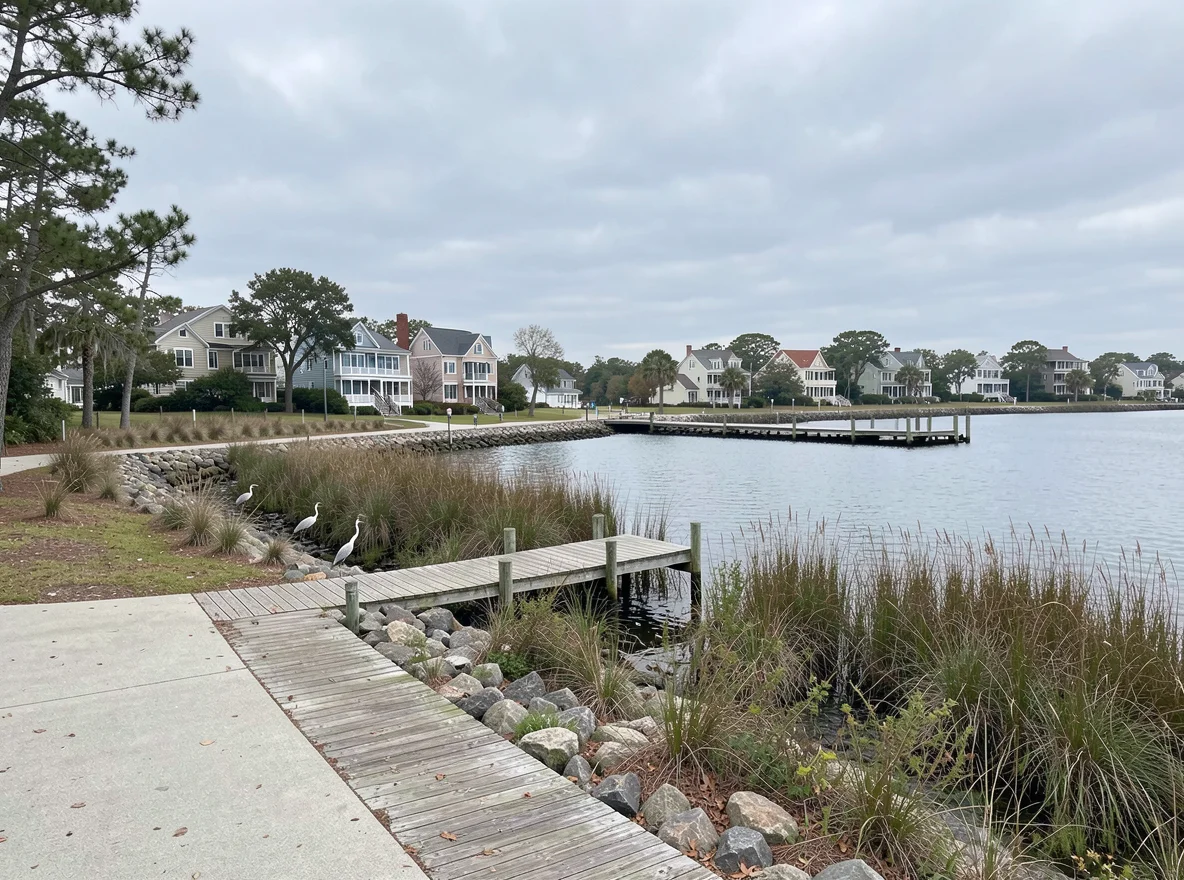
The Battery follows the peninsula’s southern waterfront, offering a place to walk and watch activity on the harbor. Along Murray Boulevard, the western waterfront provides a different perspective toward the Ashley River. Views vary substantially by property, so a home near the water should not be assumed to have an unobstructed view or direct water access.
White Point Garden, at the peninsula’s tip, adds lawns, mature trees and paths to the waterfront experience. Its monuments and historic features invite a closer look at Charleston’s layered past. A visit here can be as simple as a pause beneath the trees or the start of a longer walk through the surrounding streets.
A waterfront address and a waterfront view are not the same thing. Visit a property in person and check sightlines from the rooms and outdoor spaces that matter to you.
The neighborhood’s walkable scale encourages exploration, but the practical experience can change from block to block. Sidewalk widths, uneven historic surfaces, summer heat and the distance to a particular destination are worth considering. Try a typical route on foot and by car before deciding how well a location fits your routine.
Historic streets and the homes along them
Throughout the district, brick walls, ironwork, gardens and piazzas create an architectural landscape that rewards a slower look. Charleston single houses sit alongside other historic residences, and their layouts can differ considerably from newer construction. A piazza may offer a shaded outdoor room, while a courtyard can bring light and greenery into a compact urban lot.
History here is more than a collection of attractive facades. Charleston’s prosperity was deeply connected to the labor of enslaved people, and historic interpretation is an important part of understanding the city. Museums and historic sites across the peninsula offer opportunities to learn about the people and events that shaped these streets.
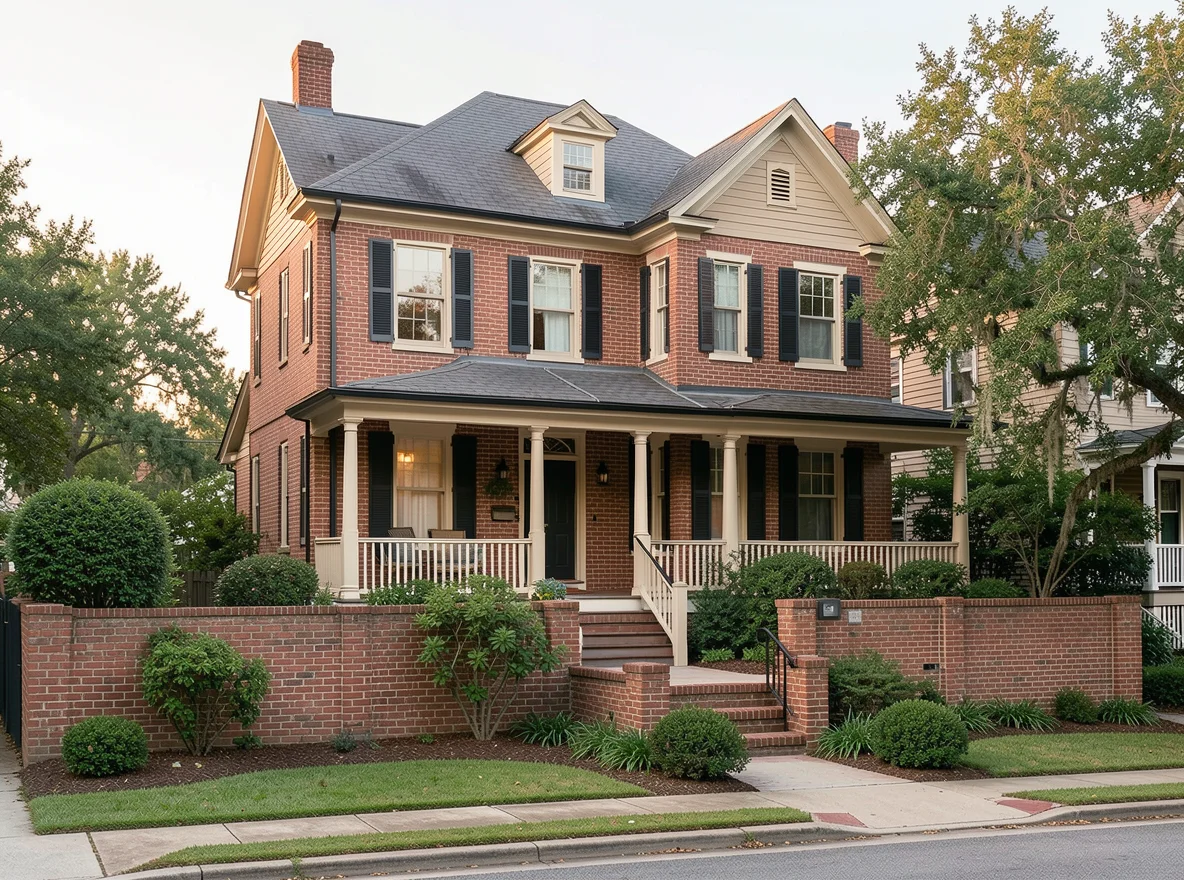
For prospective owners, character and maintenance go hand in hand. Ask about the condition of the roof, masonry, woodwork and mechanical systems, along with records of past repairs. A qualified inspector familiar with older buildings can help distinguish routine upkeep from work that may require more specialized planning.
Exterior alterations in historic districts may be subject to review by Charleston’s Board of Architectural Review, depending on the property and proposed work. Before purchasing with a renovation in mind, discuss the specific plans with the city and experienced design professionals. Approvals, permits and construction costs should be investigated rather than assumed.
Before budgeting for a new window, addition or exterior change, confirm which historic review and permit requirements apply to the specific address.
Parking deserves the same property-by-property attention. Some homes have private spaces, garages or driveways; others may depend on street parking or arrangements elsewhere. Confirm access, dimensions and any restrictions during due diligence, especially when comparing homes on narrow streets or smaller lots.
Dining, culture and everyday essentials
South of Broad is primarily residential, but its position places the restaurants and businesses around Broad Street, East Bay Street and lower King Street within reach. Depending on the address, an outing might involve a short walk or a drive. Options across the peninsula range from casual meals and coffee to destinations for an evening out.
Historic sites, galleries and performance venues add to the experience of living near the center of Charleston. Waterfront Park, north of the neighborhood along the Cooper River side of the peninsula, offers another place to spend time outdoors. For daily errands, it is useful to map grocery, pharmacy and other regular stops from the specific home rather than relying on a general description of downtown convenience.
Public school assignments can change and depend on an address, while enrollment and admission rules vary for other programs. Buyers researching education options should confirm current attendance zones and availability directly with Charleston County School District and any schools of interest. Consider the actual route and transportation arrangements alongside the school information.
Explore the South of Broad area guide
What buyers and sellers should compare
Homes in this historic market are not easily interchangeable. Lot size, architectural significance, renovation quality, parking, outdoor space and proximity to the waterfront can all affect how a property is positioned. Instead of relying on a broad neighborhood average, compare recent sales with similar characteristics and consider how much work each property may need.
Coastal ownership also calls for a careful review of flood exposure and insurance. Obtain property-specific insurance quotes, review available elevation and flood information, and ask about any history of water intrusion. Flood maps and insurance pricing answer different questions, so discuss both with qualified professionals before making financial assumptions.
For sellers, preparation starts with documentation: permits, renovation records, maintenance history and information about parking or outdoor features can help buyers understand the home. For buyers, a well-organized inspection and review period can reveal how a beautiful property will function in everyday life. The right comparison is not simply which house looks best in photographs, but which combination of setting, condition and practical details supports your plans.
Search South of Broad listings
From a morning walk beside the harbor to an evening on a shaded piazza, South of Broad offers a distinctive way to experience Charleston. Take time to explore its parks and streets, then look beyond the scenery at each property’s history, condition and ownership costs. That combination of curiosity and careful review makes for a more informed move—or a better-prepared sale.