

A successful historic home sale begins long before the photographer arrives. Gather the records that explain your property, address maintenance thoughtfully, and build a pricing strategy around comparable homes—not just the cost of past renovations. This checklist will help you prepare a Charleston home for the market while protecting the details that make it distinctive.
Start with the house’s story and its paperwork
Original floors, a shaded piazza, and generations of craftsmanship can make a Charleston home memorable. Buyers will also want to understand how the property has been maintained and what ownership may involve. Before deciding what to repair or replace, take stock of both the architecture and the records behind it.
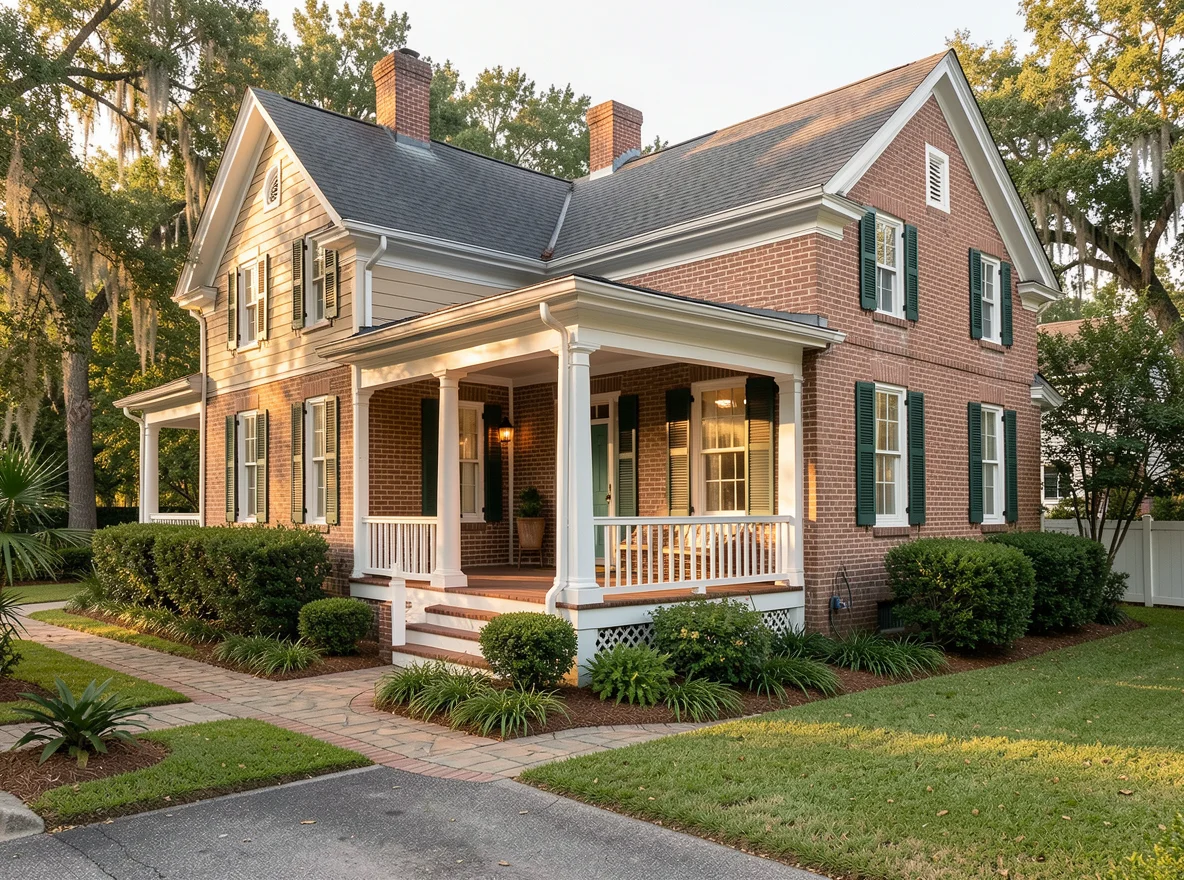
Collect surveys, floor plans, past inspection reports, renovation invoices, permits, warranties, and service records you have available. If the home has a preservation easement or other recorded restrictions, include those documents too. A clear file can help your agent answer questions accurately and give buyers a starting point for their own review.
Separate verified information from stories passed along by previous owners. If you know when a piazza was restored or a roof was replaced, keep the supporting invoice handy. If the age of a mantel or the original use of a room is uncertain, describe it as unverified rather than presenting it as fact. Thoughtful documentation makes the home’s history more useful without overstating it.
Also identify practical details that might otherwise emerge late in a transaction: parking arrangements, shared driveways, boundary questions, and access rights. A survey or title review may be useful when the property’s layout is complicated. Your agent and closing attorney can help you identify which questions deserve attention before listing.
Check preservation requirements before making changes
Historic status is not the same for every property. A home may be subject to local design review, a recorded easement, or other restrictions, while another older property may not have the same requirements. Confirm the property’s specific status with the City of Charleston and review any recorded documents before planning visible alterations.
For properties within applicable local historic districts, exterior work may require review by the Board of Architectural Review or city staff, depending on the project. Ask the city what approvals and permits apply before replacing windows, changing exterior materials, or modifying a piazza. Allow time for review rather than assuming a contractor can begin immediately.
A window replacement or exterior alteration can involve more than a contractor’s estimate. Confirm the property’s review requirements before ordering materials or setting a listing date around the work.
Repair is often worth discussing before replacement, especially when original materials contribute to the home’s character. A contractor experienced with older buildings can assess whether wood, masonry, or hardware can be preserved and what each option may cost. Keep approval letters and completed permit records with your sale documents.
Explore Charleston preservation guidance
Prioritize maintenance buyers can understand
Walk through the property with your agent and consider a pre-listing inspection if it will help you plan. An inspection is not a guarantee that every issue will be found, but it can reveal questions early enough to obtain estimates, make informed repairs, or prepare an accurate explanation for buyers.
Pay particular attention to moisture, drainage, roof condition, wood deterioration, and the mechanical systems that support everyday comfort. In a coastal climate, signs of water intrusion deserve a closer look rather than a fresh coat of paint alone. If you discover an issue, document the diagnosis and any work performed; do not conceal it for a showing.
For homes built before 1978, federal lead-based paint disclosure requirements generally apply to sales. Gather any known lead records and discuss the required disclosures and materials with your agent. A qualified professional can advise on safe practices if paint-disturbing work is planned. Ask your agent or attorney about applicable South Carolina property disclosures as well, including how to address conditions you know about.
Stage for light, proportion, and architectural detail
Staging should make the rooms easy to understand without stripping away their personality. Begin by clearing pathways, reducing visual clutter, and letting daylight reach tall windows. A restrained approach can draw attention to the features that belong to the house rather than the objects competing with them.
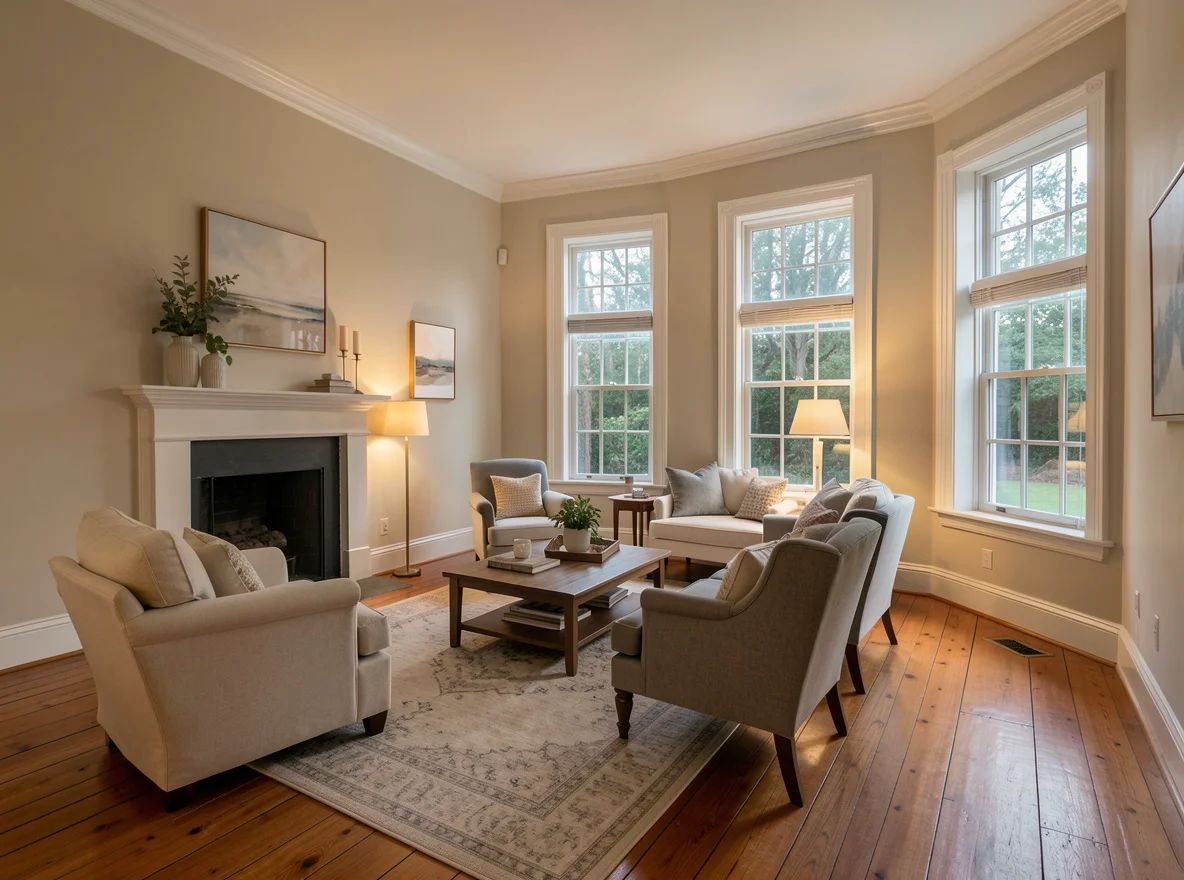
Arrange furniture to show the scale and possible use of each room. Leave enough space to appreciate original trim, fireplaces, and doorways, and avoid covering distinctive floors unnecessarily. A small table and seating on a piazza can suggest how the space functions while leaving circulation open. Clean and maintain outdoor areas, too; a courtyard or garden is part of the property’s presentation.
Work with your agent on photography after repairs, cleaning, and staging are complete. Capture both the broad layout and meaningful details, such as craftsmanship, shutters, or an inviting outdoor room. Images and descriptions should represent the property accurately, including any limitations a buyer should understand. The goal is to encourage informed interest, not create expectations the home cannot meet.
Before showings, put away valuables, personal documents, prescriptions, and fragile objects. Decide how pets and access will be handled, and prepare a short list of features your agent can explain consistently. A tidy, well-lit home and a straightforward showing plan make it easier for visitors to focus on the property.
Price the property—not just its renovation budget
Historic homes can be difficult to compare because no two have exactly the same combination of location, condition, size, parking, outdoor space, and architectural detail. Ask for a comparative market analysis that looks at relevant recent sales as well as current competition. Review differences between those properties and yours rather than relying on a neighborhood-wide price per square foot.
Renovation spending is useful context, but it does not automatically translate dollar for dollar into market value. Likewise, an ambitious asking price may leave a listing sitting while buyers compare it with other options. Discuss a price range, a launch plan, and what feedback or changes in competing inventory would prompt a reassessment.
A recent sale with similar historic character, condition, and parking may be more informative than a nearby home with a very different layout or renovation history.
Ask your agent to outline likely selling expenses and estimate your proceeds at different sale prices. Include any anticipated repairs, closing costs, outstanding loan balance, and other property-specific obligations. An estimate is not a final settlement statement, but it can help you decide which improvements are worthwhile and how to evaluate offers.
Your final pre-listing checklist
- Gather available renovation, permit, maintenance, survey, and preservation records.
- Confirm applicable historic review requirements before scheduling exterior work.
- Address priority maintenance and document repairs or professional evaluations.
- Discuss required property and lead-based paint disclosures with your agent.
- Stage rooms and outdoor spaces, then schedule accurate listing photography.
- Review comparable sales, expected expenses, and a pricing plan before launch.
Preparing a historic Charleston home for sale is a balance of presentation and due diligence. Give yourself room to investigate questions, preserve what makes the property special, and make decisions with a clear view of the costs. With a well-organized record and a considered launch strategy, you can introduce the home to buyers with confidence.