

Kiawah Island’s boardwalks connect its coastal landscape to the beach, but access and amenities can differ considerably from one property to another. Learn how to distinguish public beach access, community privileges, resort services, and private club membership before comparing homes.
A Coastal Landscape Shaped by the Shore
On Kiawah Island, a walk toward the ocean often begins beneath live oaks and ends on a wooden boardwalk crossing the dunes. Between those two points are maritime forest, lagoons, golf courses, and residential streets woven into a barrier-island setting. The island’s resort development began in the 1970s, and its mix of homes and recreation continues to reflect a close relationship with the surrounding landscape.

The boardwalks are more than a pretty route to the water. By guiding foot traffic over sensitive dunes, they help preserve the vegetation that holds sand in place. Routes, surfaces, stairs, and distances vary, so a buyer should visit the actual access point associated with a property rather than assume every walk to the beach looks the same.
At different times of day, the shoreline can feel distinct: morning light falls across the dunes, while changing tides reshape the width of the sand. Seasonal wildlife considerations are part of island life, too. Visitors and residents should follow posted beach rules, stay off protected dunes, and observe local guidance concerning sea turtles and other wildlife.
For a useful first visit, walk or cycle the route from a prospective home to its beach access, then consider the return trip with chairs or other gear. A map can show proximity, but it cannot fully convey shade, crossings, elevation changes, or how a boardwalk meets the sand. Ask about accessible routes and available accommodations directly, since features can differ by access point.
A home’s distance from the ocean and its actual route to the beach are not necessarily the same thing. Confirm the designated access point and walk it before making assumptions.
Public Beach Access and Private Routes
Beachwalker Park, operated by Charleston County Parks, provides public beach access on the island’s west end. Parking fees, hours, services, and availability can vary by season, so check current park information before visiting. On busy days, parking capacity can affect when visitors are admitted.
Elsewhere on the island, a boardwalk visible on a map or from the beach should not automatically be treated as a public entrance. Some routes serve particular residential areas, resort properties, or other users with specific access rights. If beach access is important to a purchase, ask the property manager or relevant association to identify the applicable route and explain any restrictions.
It is also useful to distinguish access to the shoreline from access across private land. A home may be close to the water yet rely on a shared route rather than a private walkover. Request the governing documents, maps, and any recorded easements that apply to the property, and have your real estate attorney help clarify questions about rights and responsibilities.
Explore the Kiawah Island area
Resort Amenities, Recreation, and Membership
The island’s recreation options extend well beyond the beach. Kiawah Island Golf Resort offers golf, dining, accommodations, and other activities, while trails and paths provide ways to explore the coastal setting. The Ocean Course is among the island’s best-known golf venues; availability, rates, and booking policies should be checked with the operator.
Resort amenities, property-owner amenities, and private club facilities are not interchangeable. A restaurant may be open to the public while a pool, event, or club facility has separate eligibility requirements. Ownership alone should not be assumed to include resort guest privileges or private club membership. Ask each organization about current access, fees, reservation rules, and any membership process.
Freshfields Village, near Kiawah Island, adds another dimension to daily routines with dining, shopping, and services. On the island itself, a morning on a path can lead to an afternoon on the golf course or a meal overlooking the coastal landscape. Check individual venues for operating hours and seasonal schedules, especially when planning a visit around a particular activity.
Before assigning value to an amenity, confirm who operates it, who may use it, and whether a separate membership, reservation, or fee is required.
For everyday planning, buyers can also investigate school options, service providers, and travel routes that match their needs. School assignments and enrollment policies can change, so verify details directly with the relevant school district or school rather than relying on a listing description.
Comparing Homes Beyond the View
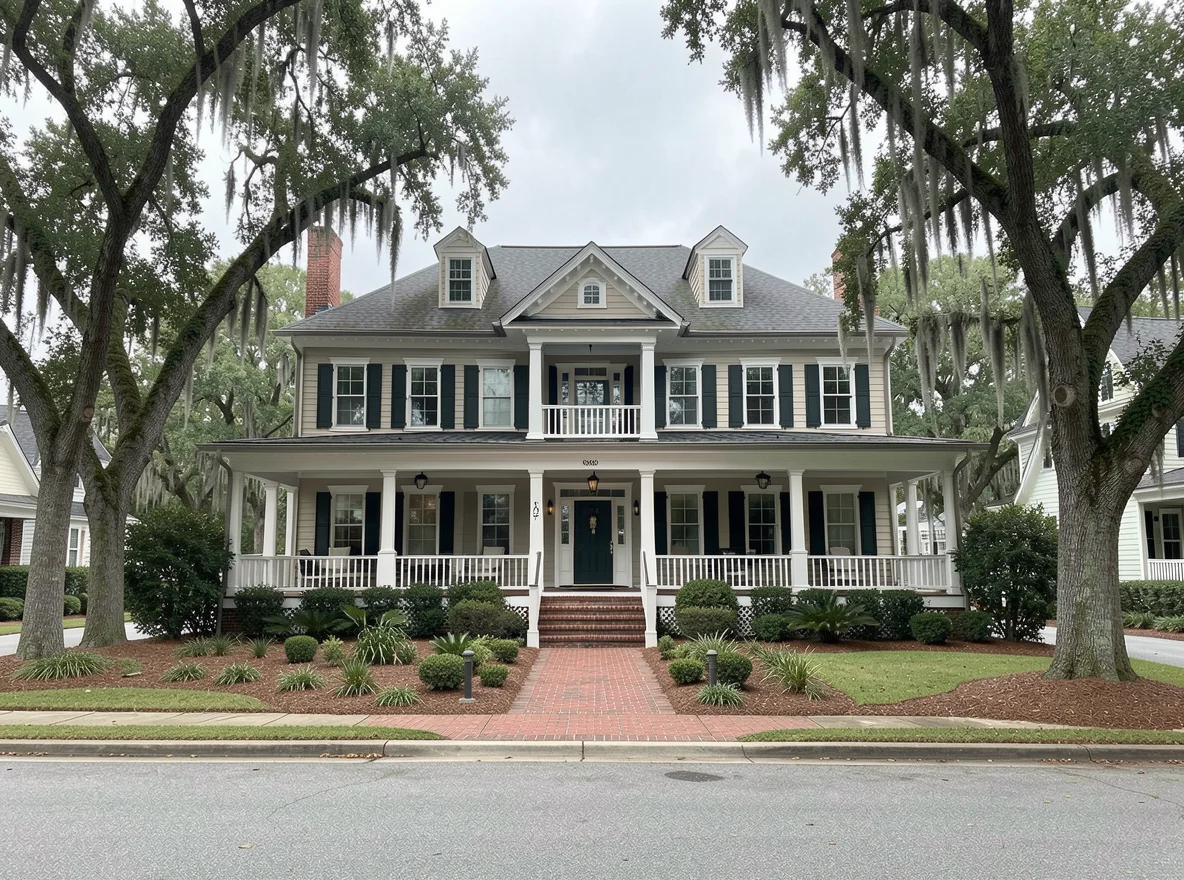
Island properties can include villas, cottages, and larger residences with settings near the beach, golf courses, lagoons, or wooded areas. Two homes with similar views may have different association structures, maintenance obligations, and access arrangements. Current inventory and pricing change, so comparable recent sales and the details of each property matter more than broad assumptions about the island market.
When reviewing a listing, ask for the association’s governing documents, current assessments, and information about any additional neighborhood or regime fees. For a villa or other shared property, look closely at what the association maintains and what remains the owner’s responsibility. Architectural review requirements may also affect exterior changes, landscaping, or renovations.
Coastal due diligence deserves its own place on the checklist. Obtain property-specific insurance quotes and review flood zone information, elevation documentation where available, inspection findings, and any relevant building or environmental restrictions. If rental income is part of the plan, confirm current town rules, association restrictions, permits, and management costs before relying on projected revenue.
Questions to Bring to a Showing
- Which beach access point serves this property, and what are the route’s physical features?
- What association fees, assessments, and maintenance responsibilities apply?
- Which amenities are included, and which require separate arrangements?
- Are there restrictions on renovations, rentals, parking, or exterior improvements?
- What should a buyer verify about flood exposure, insurance, and coastal maintenance?
For sellers, clear answers to these same questions can help buyers understand a property’s setting and obligations. Whether you are preparing a home for market or beginning a search, look beyond the photograph of the boardwalk: the most useful picture includes the route, the documents, and the amenities available to that specific property.