

A successful Mount Pleasant listing starts well before the photographer arrives. Focus first on repairs that matter, then stage the spaces buyers will notice and set a price grounded in comparable sales. This checklist helps you decide where to spend, what documents to gather, and how to prepare for offers.
Start With a Plan for Your Home
Before making a list of upgrades, walk through your property as a buyer might: from the front approach to the porch, through the main living spaces, and out to the yard. Note anything that needs attention, but resist assuming every dated finish needs replacing. The goal is to make the home feel cared for and help buyers understand its features.
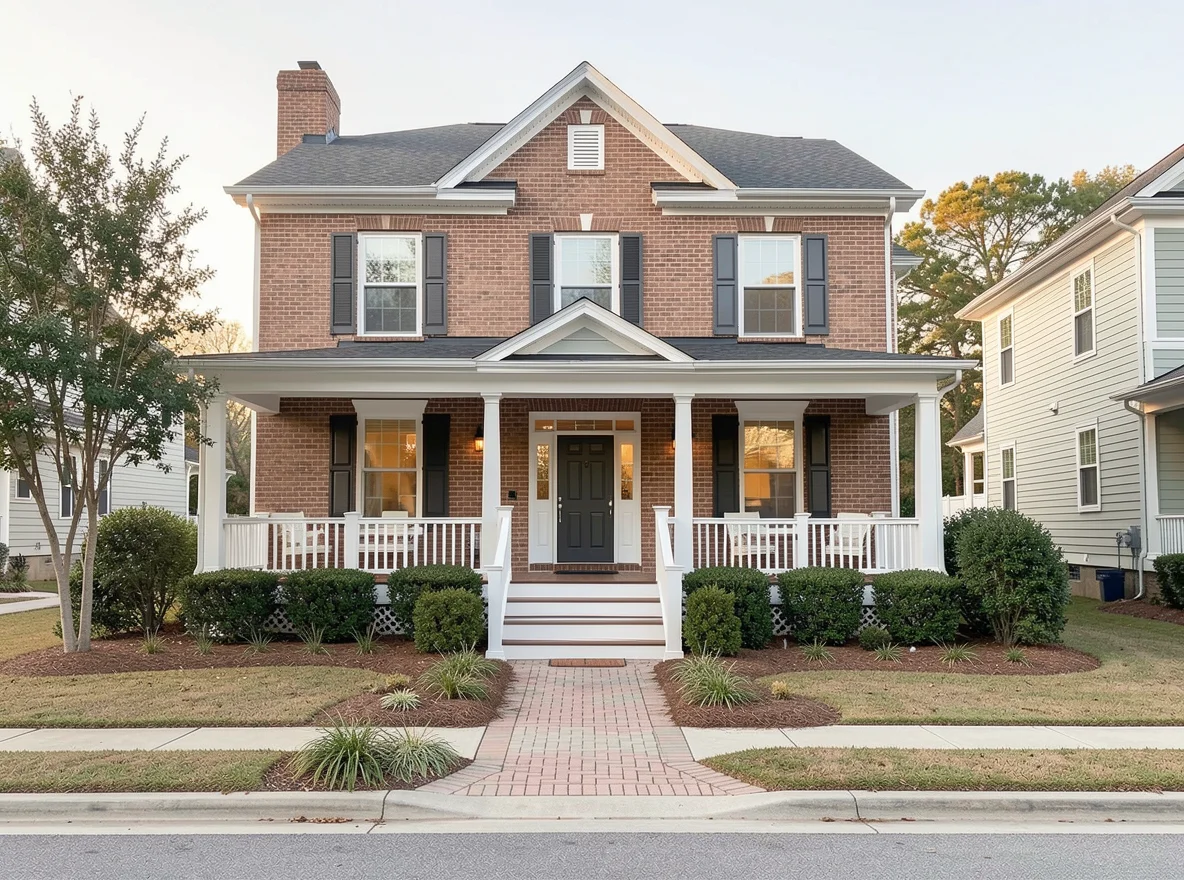
Next, talk through your timing and budget with a local real estate professional before scheduling major work. A home in the Old Village may have different comparison properties and preparation needs from a newer home farther north. Lot size, condition, construction, outdoor spaces, and waterfront features can all affect how buyers evaluate a property.
Separate your list into three groups: necessary repairs, presentation improvements, and projects you can leave for the next owner. Get estimates for expensive items before committing. A fresh coat of paint may help a room photograph well, but a large renovation is not guaranteed to return its cost at sale.
Price and preparation work together: review comparable homes before investing in upgrades so your spending reflects the properties buyers will actually compare.
Prioritize Repairs That Raise Questions
Start with issues that affect the home’s function or could concern a buyer during inspection. Address active leaks, damaged flooring, sticking doors, malfunctioning fixtures, and obvious electrical or plumbing problems with appropriately qualified professionals. Keep invoices and warranties to document what was done.
In the coastal climate, pay particular attention to moisture and exterior maintenance. Check gutters and drainage, look for signs of water intrusion, and have concerns about roofing, crawl spaces, or wood deterioration evaluated. For a waterfront property, gather available dock permits and maintenance records rather than assuming an existing structure answers every buyer question.
A pre-listing inspection can reveal issues early, although it is optional and not a substitute for a buyer’s inspection. Review its findings with your agent and decide which items to repair, price into your strategy, or disclose as appropriate. Ask about South Carolina disclosure requirements and consult an attorney when you need legal advice; repairing an issue does not necessarily eliminate a disclosure obligation.
Use a Practical Repair Checklist
- Test lights, appliances, doors, windows, and plumbing fixtures.
- Service heating and cooling equipment and retain the records.
- Clean gutters and address known leaks or drainage concerns.
- Touch up damaged paint and repair small, visible defects.
- Collect permits, invoices, warranties, and relevant property records.
Stage for Clear, Inviting Photographs
Good staging is less about filling a house with new furniture and more about making each room easy to understand. Begin with a thorough cleaning, then remove excess items from counters, shelves, closets, and walkways. Let natural light in, replace burned-out bulbs, and arrange furniture to show how the space connects.
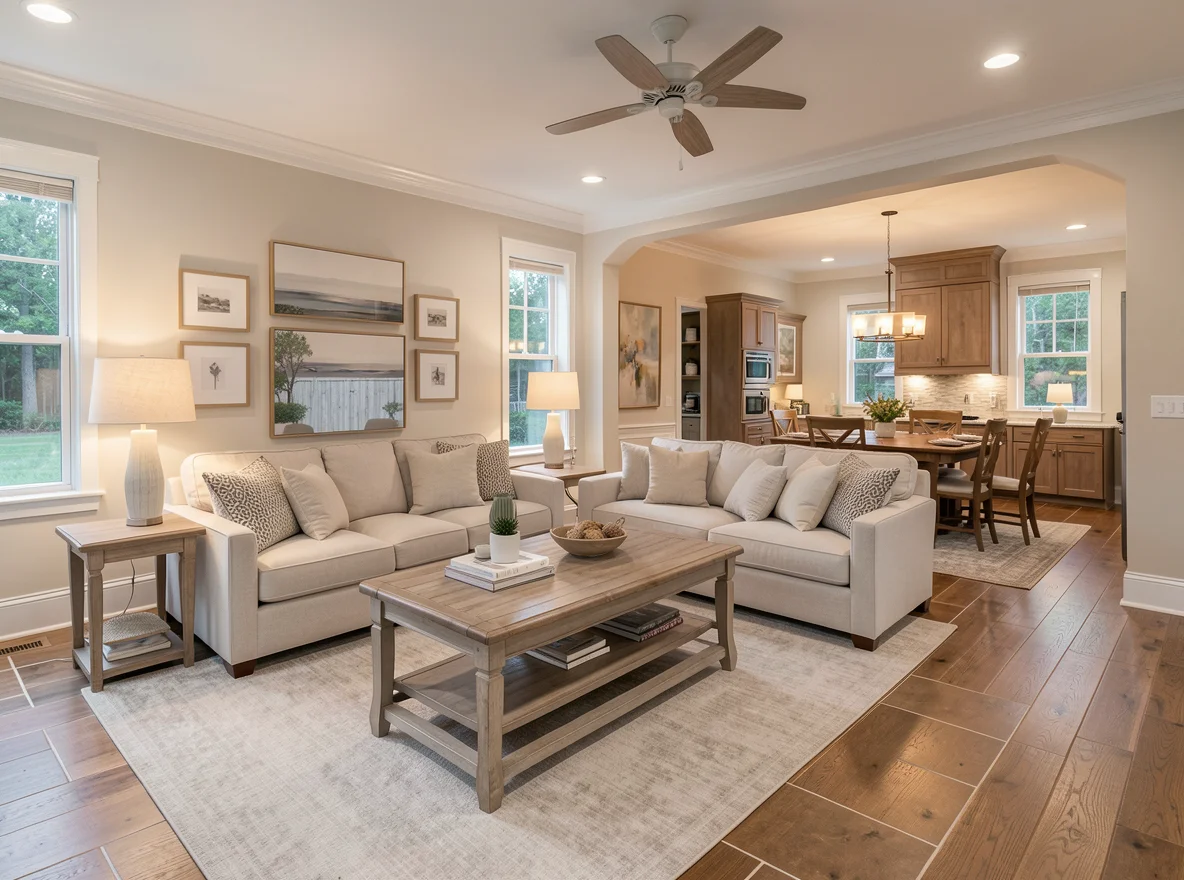
Give special attention to the entry, living area, kitchen, and primary bedroom. In the kitchen, clear most countertop appliances and clean cabinet fronts. In bedrooms, use simple bedding and keep furniture proportional to the room. A spare room should have a clear purpose, whether it is presented as a bedroom, office, or flexible space.
Outdoor living deserves the same care. Sweep the porch, wash outdoor furniture, trim overgrowth, and make any patio or deck easy to access. If a view is part of the property’s appeal, clean the windows and remove visual clutter without misrepresenting what buyers will see. Professional photographs should accurately reflect the home’s condition and features.
Before photography and showings, put away valuables, sensitive documents, medication, and small personal items. Consider how you will manage pets and where you can store everyday necessities between appointments. A simple reset routine makes it easier to keep the home ready without turning every showing into a major project.
Build a Pricing Strategy Around Comparables
Ask your agent for a comparative market analysis that includes recent closed sales, pending properties, and active listings. Closed sales show what buyers have paid; active listings show the competition; pending homes can offer context about current activity, although their final prices may not yet be public.
Look beyond price per square foot. The most useful comparisons account for location, age, condition, lot, layout, renovations, and features such as a pool, dock, or garage. Discuss meaningful differences and the direction of any adjustments rather than expecting two homes to be identical. An online estimate can be a starting point, but it cannot always account for those details.
An asking price is not a guarantee of the final sale price. Review showing activity and buyer feedback with your agent, and agree in advance on when to revisit the strategy.
Also consider the costs behind your desired net proceeds. Mortgage payoff, closing expenses, agreed concessions, repairs, and any applicable association fees can affect the amount you receive. Request an estimated seller net sheet and update it as offers or expenses change.
Prepare for Showings, Offers, and Closing
Before going live, confirm the listing details, photographs, showing instructions, and marketing plan. Gather association documents if applicable, along with information about insurance, improvements, and any existing elevation or flood-related records. Buyers should obtain their own insurance quotes and verify flood information; your current premium is not a promise of their future cost.
When offers arrive, compare more than the headline price. Financing, contingencies, due diligence timelines, requested concessions, closing date, and the buyer’s ability to perform can all shape the outcome. Your agent can explain the terms, while your closing attorney can address legal questions and the closing process.
The strongest checklist is one tailored to your property. With repairs prioritized, rooms prepared, and pricing supported by relevant evidence, you can bring your Mount Pleasant home to market with a clearer plan and fewer last-minute surprises.