
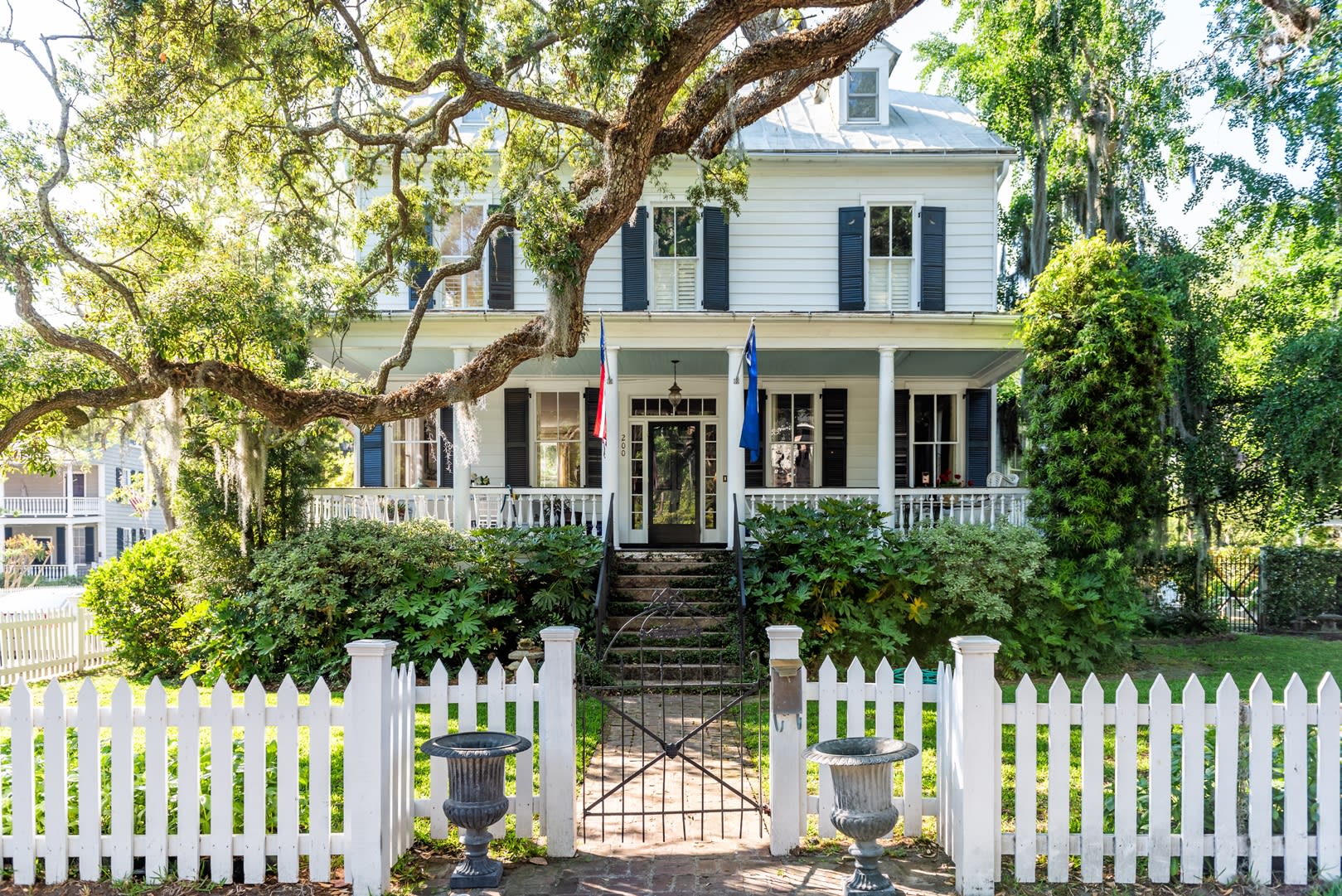
A welcoming porch, a well-tended yard, and carefully presented historic details can help an Old Village home make a memorable first impression. The strongest preparation plan also considers repairs, preservation requirements, and a price grounded in comparable sales. Here’s where to focus before your Mount Pleasant home reaches the market.
Start at the Porch
In Old Village, a porch can be more than an entryway: it’s an introduction to the home’s architecture and outdoor living space. Before choosing cushions or planters, walk from the street to the front door as a buyer would. Look for loose boards, peeling paint, cobwebs, and anything that makes the entrance feel neglected.
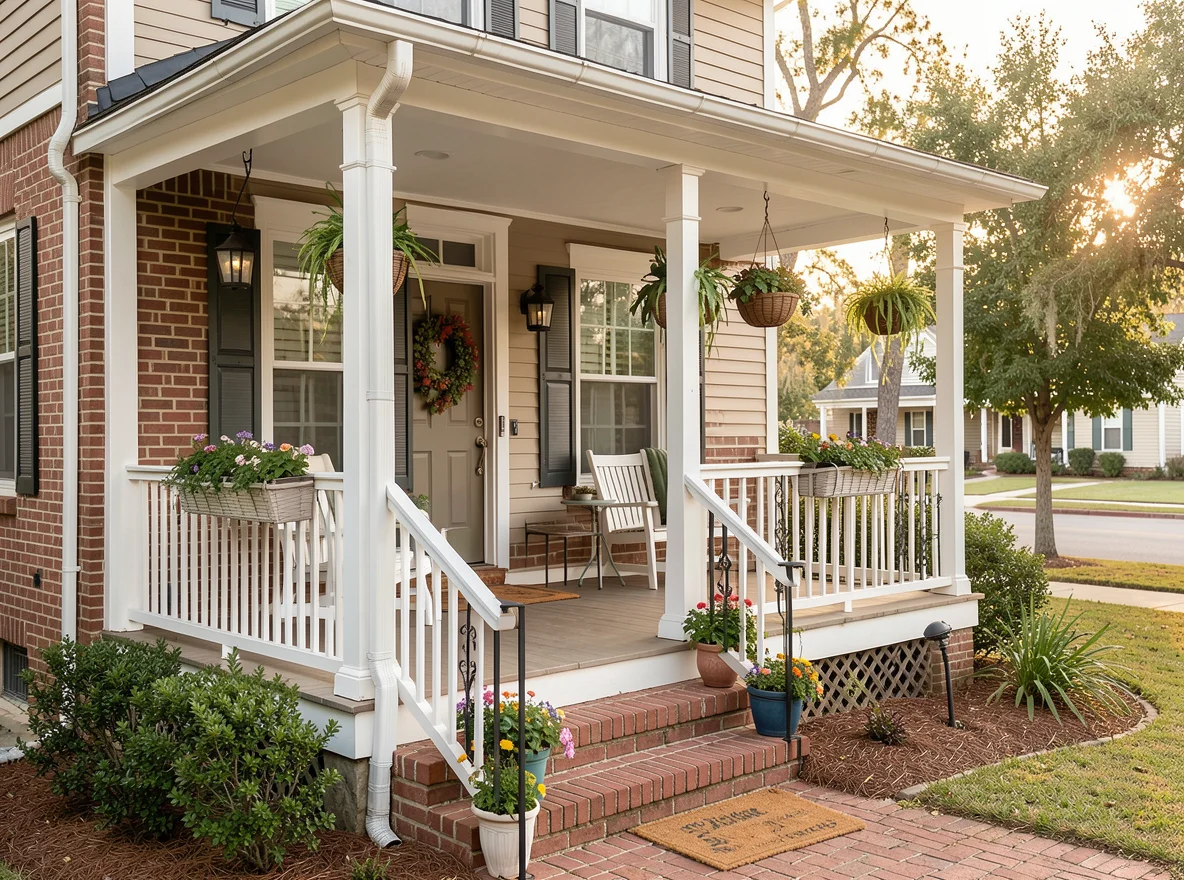
Clean the floor, railings, light fixtures, and front door. If repairs are needed, ask a qualified professional to assess them before covering them with fresh paint. A modest seating arrangement and a few healthy plants can suggest how the space is used without concealing architectural details or narrowing the path to the entrance.
Choose furnishings that fit the porch rather than fill it. Remove worn mats, unnecessary decorations, and bulky storage, then check how the space looks from both the sidewalk and the doorway. If the porch receives strong afternoon sun or coastal weather, clean, weather-appropriate textiles will photograph better than delicate pieces that quickly fade or mildew.
Stage the porch for the camera and for an actual visit: leave enough open floor space to show its depth and make the entrance easy to navigate.
Finally, test the exterior lights and consider the time of day when the porch looks its best. Natural light can reveal the color and texture of woodwork, while a tidy entry gives a photographer room to capture the relationship between the house and its outdoor spaces.
Give the Yard a Purpose
A polished yard doesn’t require an elaborate redesign. Begin with pruning, edging, fresh mulch where appropriate, and a clear route to the home. Trim growth away from windows and walkways so buyers can see the façade and move comfortably through the property.
Present each outdoor area according to its actual use. A small table can define a garden terrace; a pair of chairs can show the appeal of a shaded corner. If there is a patio, courtyard, or secondary porch, remove excess pots and equipment so its dimensions are easy to understand. Avoid filling every available space: a little breathing room makes outdoor areas feel more usable.
Pay attention to maintenance that buyers may notice during a showing. Address standing water, damaged irrigation components, or drainage concerns with the right professional rather than disguising them with landscaping. Keep records of work performed, especially where a repair relates to water intrusion or the condition of a mature tree.
Let Historic Details Speak for Themselves
Original doors, wood floors, shutters, moldings, and distinctive hardware may be among the features that make a home memorable. The goal is to help buyers notice them without turning every room into a display. Clear furniture away from focal points and use simple window treatments that let in light while preserving a sense of the home’s character.
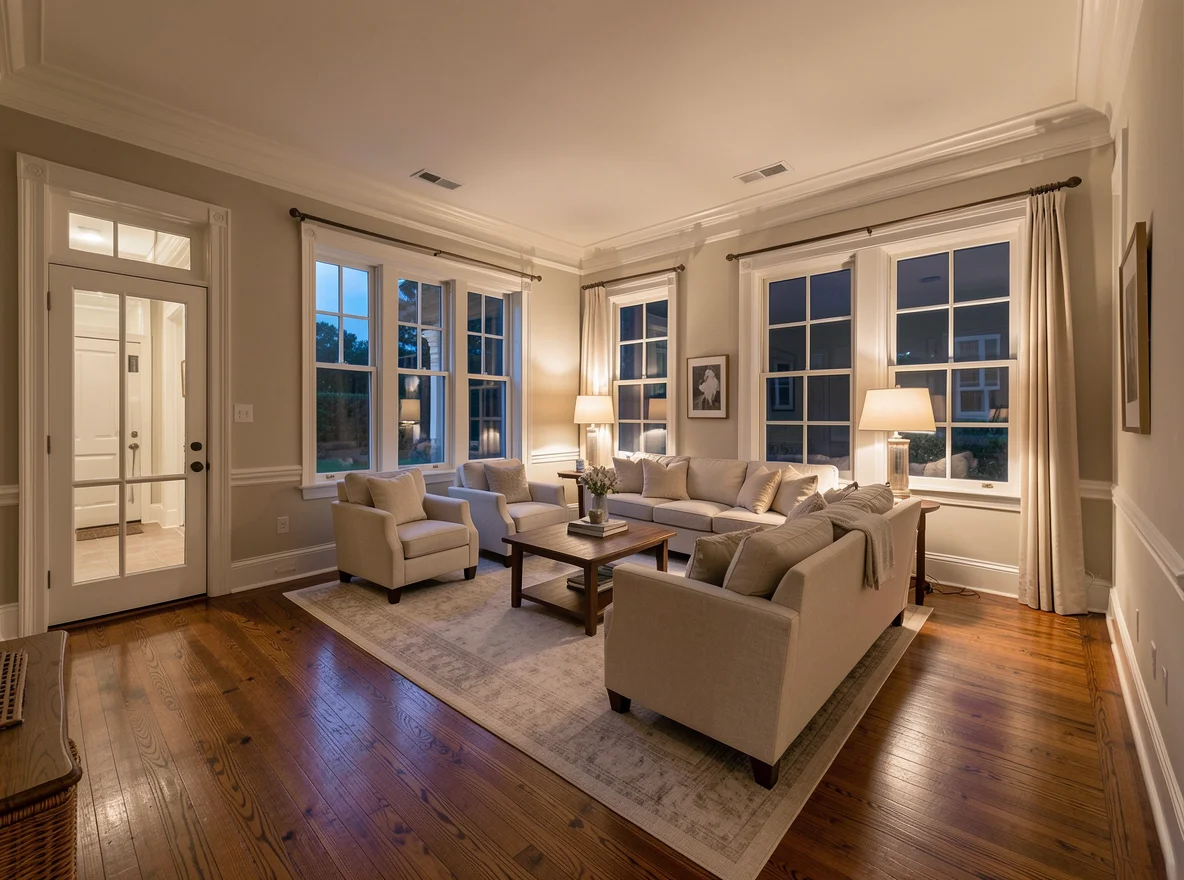
Clean and maintain existing features thoughtfully. A skilled preservation contractor can advise whether a window, floor, or piece of trim is better repaired than replaced. Avoid assuming that every old element is original; if you have documentation of the home’s age or a renovation, share what you can substantiate and distinguish it from what is not known.
Before altering an exterior or undertaking a larger project, confirm the property’s designation and applicable review requirements with the Town of Mount Pleasant. Rules and approvals depend on the property and the proposed work. Build review time into your schedule rather than committing to a listing date before you understand what a project involves.
A repair plan and its documentation can be more useful to a buyer than a hurried cosmetic update that obscures the condition of historic materials.
Gather permits, contractor invoices, warranties, and any available preservation approvals in one place. For homes built before 1978, discuss federal lead-based paint disclosure requirements with your agent. Your agent and attorney can also help you understand applicable South Carolina disclosure obligations and how to present known property conditions accurately.
Prioritize Repairs Before Decorating
Staging helps a home show well, but it is not a substitute for addressing a leak or an aging system. Ask your agent which improvements are likely to matter most for your property, then obtain estimates for the work that needs professional attention. Depending on the home, a pre-listing inspection may help identify issues early, although it will not replace a buyer’s own inspection.
Start with items that affect function or condition: roof concerns, moisture, heating and cooling, plumbing, electrical issues, and doors or windows that do not operate properly. Afterward, consider smaller visual improvements such as neutral linens, updated light bulbs, and decluttering. Keep receipts and be prepared to disclose known issues as required, even when you decide not to make a repair.
Prepare a practical property packet
- Compile a list of improvements, approximate dates, permits, and transferable warranties where available.
- Gather relevant survey, elevation, flood insurance, and maintenance documents you already have; explain when information is unavailable.
- Note distinctive features and the work completed to maintain them, without making claims you cannot verify.
- Ask your agent which documents should be available before showings and which may be shared later in the transaction.
Price for the Home Buyers Will Compare
Old Village properties can differ substantially in age, lot size, condition, layout, and proximity to the harbor. A nearby sale is a starting point, not an automatic match. Review recent comparable sales with your agent, along with current competing listings and properties that did not sell, to understand what buyers may see alongside yours.
Look closely at differences that influence value: the quality and extent of renovations, usable outdoor space, parking, flood considerations, and the condition of historic features. Waterfront or water views should be described precisely, and any dock or access rights should be verified rather than assumed. An asking price should reflect the whole property, not just the most impressive feature.
Discuss a plan for evaluating buyer response after launch. Showing feedback, competing inventory, and the quality of offers can inform a pricing conversation, but there is no guaranteed timetable or outcome. Build your decision around your goals, carrying costs, and the evidence available at the time.
Plan Photography and Showings Together
Once repairs and staging are complete, walk through the home with your agent before scheduling photography. Open shutters where appropriate, clear counters, straighten outdoor furniture, and remove personal paperwork and valuables. Make sure the photographs represent the property honestly, including the scale and condition of its rooms and outdoor areas.
For showings, keep the same spaces ready without making the house feel overly staged. Clean the porch after windy or rainy weather, maintain the yard, and leave relevant property information available through your agent. Buyers may appreciate learning how the home relates to Old Village amenities such as waterfront views, local streets, and nearby dining, but descriptions should stay factual and specific to the property’s location.
Thoughtful preparation is about making the home easy to understand: its setting, its history, its condition, and its potential. With a clear plan for repairs, presentation, and pricing, you can bring an Old Village property to market with its strongest features in view.