

A successful sale in Daniel Island Park starts before the listing photographs are taken. A pricing analysis, carefully chosen repairs, and staging that highlights indoor and outdoor spaces can help buyers understand what makes your home distinctive. This guide will help you decide where to spend, what to document, and how to prepare for a confident launch.
Start With a Property-Specific Pricing Strategy
Every home has its own combination of architecture, condition, setting, and improvements. In Daniel Island Park, a useful pricing conversation begins with those details—not simply a neighbor’s asking price or an automated estimate. The goal is to understand how your property compares with the homes a buyer might consider instead.

Ask your agent to review recent closed sales, pending properties when useful information is available, and current competition. Look beyond price per square foot: lot characteristics, views, floor plan, renovation quality, outdoor amenities, and maintenance can all affect how closely one home compares with another. When comparable sales are limited, the analysis may need to draw from a broader area or a longer period, with adjustments explained clearly.
Active listings show what buyers can choose today, but an asking price is not proof of what a home will sell for. Closed sales provide stronger evidence, while differences in concessions, timing, and condition deserve attention. Your agent can help you establish a price range and discuss how each option may position the home against competing properties.
A nearby asking price is a starting point for research, not a substitute for reviewing closed sales and property-specific differences.
Before settling on a number, discuss a plan for evaluating the response after launch. Showing activity, buyer feedback, and changes in competing inventory can help inform a decision, but no single signal tells the whole story. Agree in advance on when you and your agent will review the evidence rather than making a rushed adjustment after one quiet weekend.
Choose Updates With the Sale in Mind
Pre-listing improvements should solve visible problems or make the home easier to evaluate. Begin with a walk-through that separates necessary maintenance from cosmetic preferences and major renovations. A polished, well-maintained property can make a stronger first impression without requiring every room to be remodeled.
Prioritize repairs that buyers are likely to notice or investigate: leaking fixtures, damaged trim, sticking doors, failed light bulbs, worn caulking, and obvious moisture concerns. Service records for major systems can also be useful. If you are uncertain about a condition, consider an appropriate professional inspection and discuss the findings and any disclosure obligations with your agent.
For cosmetic work, compare the cost and schedule with the likely benefit to presentation. Fresh paint in a restrained color, updated lighting, or refinished surfaces may be worth considering when existing finishes look tired. A full kitchen or bath renovation carries more cost, disruption, and design risk; review comparable homes and obtain estimates before committing. No project guarantees a particular return.
Make a Practical Prep List
- Address maintenance first: Gather estimates for visible defects and any known system concerns.
- Check exterior details: Clean walkways, refresh landscaping, and inspect porches, railings, and outdoor fixtures.
- Keep records: Organize invoices, warranties, permits, and information about recent work.
- Confirm approvals: Check applicable community rules and local permit requirements before exterior changes or larger projects.
Stage for Clarity, Light, and Everyday Flow
Thoughtful staging lets buyers see the home rather than the belongings in it. Start by editing furnishings and clearing surfaces so the architecture, natural light, and connections between rooms are easy to appreciate. Keep the result comfortable and appropriate to the property, not so sparse that rooms lose their purpose.
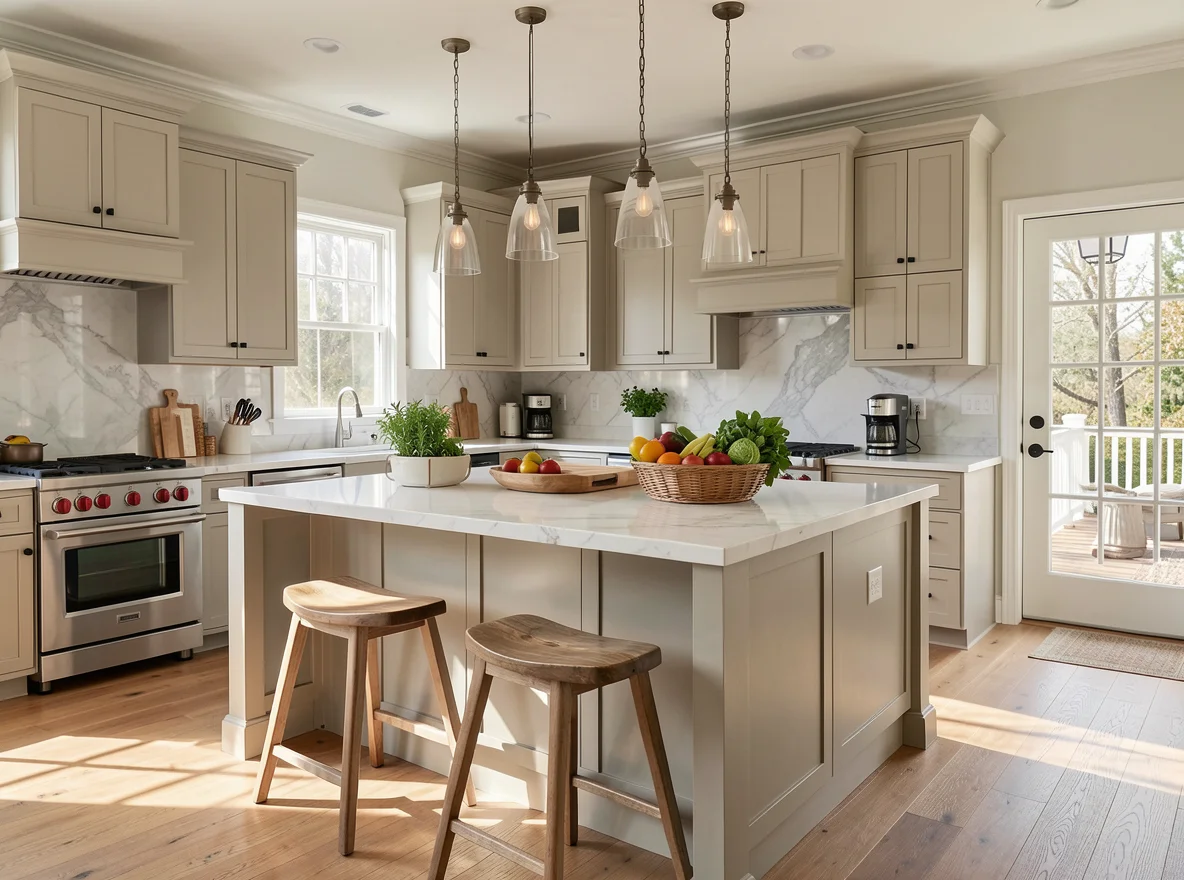
In the kitchen, remove countertop clutter and leave enough open space to show how the work areas function. In living areas, arrange furniture to create clear paths and reveal windows or notable millwork. Bedrooms benefit from crisp linens and uncluttered surfaces, while a flex room can be furnished to show one practical use without suggesting it is the only possibility.
Give outdoor spaces the same attention as the interior. Clean porch furniture, wash exterior surfaces as appropriate, and trim plantings that obscure light or views. If the property has a pool, terrace, or golf-course outlook, make sure photographs represent those features accurately and that the spaces are ready for an in-person visit.
Stage the porch or terrace before photography—not just before the first showing—so the online presentation reflects the outdoor space buyers will see.
Professional staging can be helpful, but it is not always necessary to furnish an entire home. Ask for a room-by-room proposal and compare it with a lighter approach using existing pieces. Your agent can help identify which spaces are most important to photograph and which adjustments are likely to make the clearest difference.
Gather the Details Buyers Will Ask About
A well-organized information packet can make follow-up questions easier to answer. Collect the survey if available, property tax information, insurance details, utility history, service records, and documentation for improvements. Check with your agent and attorney about required South Carolina disclosures and provide accurate information about known conditions.
For homes with community association obligations, obtain current governing documents, fees, and any relevant transfer requirements. If a private club membership is associated with your ownership or discussed in marketing, confirm eligibility, availability, fees, and transfer rules directly with the club. Do not assume membership or access automatically conveys with the home.
Coastal property questions may include flood zone information, insurance coverage, drainage, and elevation documentation where available. Policies and premiums can change, so encourage buyers to obtain their own quotes and independently verify details relevant to the property. If you have receipts for drainage improvements or storm-related repairs, keep them with the rest of your records.
Plan the Launch and Review Offers Carefully
Once repairs and staging are complete, schedule photography when the home can be presented at its best. Discuss the marketing plan with your agent, including the listing description, digital presentation, showing arrangements, and how access will be managed. Accurate details matter: confirm room measurements, included features, and the status of any amenities before publication.
When an offer arrives, look beyond the headline price. Financing, contingencies, requested repairs, closing date, and the buyer’s ability to perform can all affect the outcome. Your agent can help compare the practical terms, while your attorney can advise on the contract and closing. A strong offer is one that fits your priorities as well as the property’s value.
Preparing to sell does not mean changing everything you love about your home. It means presenting its strengths clearly, resolving avoidable concerns, and entering the market with a price supported by evidence. With a plan tailored to your property and timeline, you can move from the first walk-through to the listing launch with fewer surprises.