

On Kiawah Island, a morning can begin on a golf course and end with a walk beside the Atlantic. For home buyers and sellers, the details behind that experience matter: course access, trail connections, beach entry, and ownership costs can vary from one property to the next. Here is how to explore the island and ask better questions along the way.
A Barrier Island Shaped by Land and Water
Maritime forest, salt marsh, lagoons, and dunes give Kiawah Island its distinctive Lowcountry setting. The island sits southwest of Charleston, connected to the mainland by road through Johns Island. Within its neighborhoods, homes and villas share the landscape with golf courses, winding paths, and stretches of Atlantic shoreline.
The island has a long history before its development as a resort and residential community, including Native American and plantation-era chapters. Today, its natural setting remains central to its character. Exploring it means looking beyond a listing’s view to understand how a particular property connects to the places and activities that matter to you.
Golf Courses and the Access Question
Golf is woven into Kiawah’s landscape, but not every course operates under the same access rules. The Ocean Course, Cougar Point, Turtle Point, Osprey Point, and Oak Point are associated with Kiawah Island Golf Resort; Oak Point is located off the island on Johns Island. Each offers a different setting, from coastal exposure to fairways bordered by trees and water.

The Ocean Course is particularly well known for its Atlantic setting and championship history, including hosting the PGA Championship. Wind and coastal conditions can influence a round, while inland courses offer their own mix of lagoons, vegetation, and strategic layouts. Tee-time availability, pricing, and booking policies can change, so check directly with the resort before making plans.
Separately, the Kiawah Island Club operates private amenities, including golf courses. Buying a home on the island does not automatically provide private club membership or access. If a listing mentions membership eligibility, ask the club to confirm the current terms, category, costs, application process, and any transfer requirements for that specific property.
A golf-course view and the right to play a course are two different things. Verify both property-specific access and current club or resort policies before relying on either.
For sellers, clear documentation can make these distinctions easier for prospective buyers to evaluate. A useful property packet might identify the course visible from the home, explain any applicable membership eligibility, and direct buyers to the appropriate organization for current information.
Explore the Kiawah Island golf and membership guide
Paths, Parks, and Wildlife Watching
Walking and cycling reveal a different side of the island from the golf course. Paved pathways pass through wooded areas and near lagoons, offering ways to explore the landscape at a slower pace. Routes and access can differ by location, so consult a current island map and observe signs marking private roads or restricted areas.
Marsh grasses, live oaks, and coastal vegetation create habitats for an array of wildlife. Birdwatching is part of the appeal, and alligators can be present around freshwater lagoons. Give wildlife plenty of space, never feed animals, and follow posted guidance. Keep a respectful distance from nesting areas and sensitive dunes, too.
Before touring a home, consider mapping the route from its driveway to a path, park, or beach access point. A property described as “near the beach” may involve a different walk or ride than expected, depending on the route and access rules. If an amenity is important to your decision, seeing the connection in person is worthwhile.
Beach Access: What to Check
Kiawah’s Atlantic shoreline is a defining feature, with broad sand, dunes, and changing tides. Beachwalker Park, on the western end of the island, provides public beach access; parking fees, hours, and availability should be checked before a visit. Access elsewhere may depend on the location, property association, resort arrangements, or other applicable rules.
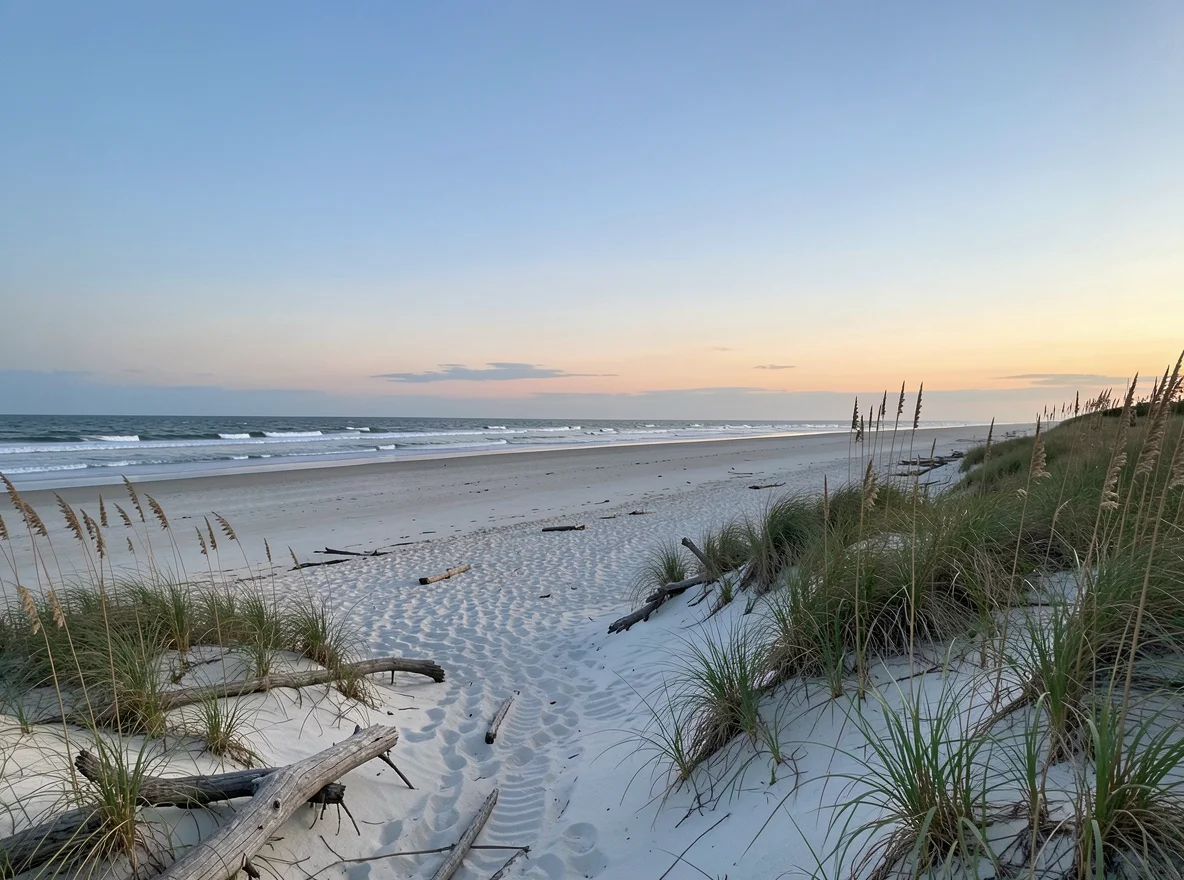
For a home search, ask which beach access point serves the property, whether it is reached by foot or bicycle, and what rules apply to owners and guests. A beachfront address, an ocean view, and a deeded access right are not interchangeable descriptions. Review the relevant documents rather than assuming a particular route is included.
Ask to see the actual route from a property to its beach access point. Distance on a map does not always tell you where you can enter or what access privileges apply.
Coastal conditions also deserve attention. Tides, weather, and seasonal wildlife protections can affect how the beach is used. Stay on designated paths and boardwalks where provided, and check current local guidance on beach activities and dune protection.
Beyond the shoreline, Freshfields Village near the island entrance offers dining and everyday services. Resort dining venues provide additional options, though access and hours may vary. Together with the island’s paths and recreation areas, these destinations help illustrate the practical rhythm of a visit or a longer stay.
Compare Homes by More Than the View
Kiawah properties can include villas, townhomes, and detached homes overlooking golf, lagoons, marsh, woodland, or the ocean. Location, property condition, size, and ownership structure all shape a comparison. Rather than relying on broad market claims, ask for recent comparable sales and current listings that match the property type and setting you are considering.
For buyers, due diligence may include reviewing association documents, regular assessments, special assessments, architectural guidelines, and any rental restrictions. Coastal ownership also calls for property-specific insurance quotes and a review of flood information, elevation documents when available, maintenance history, and inspection findings. An insurance professional and qualified inspector can help explain the implications for a particular home.
For sellers, the same details can support a well-prepared listing. Gather records of improvements and maintenance, clarify the property’s association obligations, and distinguish confirmed amenities from nearby attractions. Views and access are compelling features, but accurate descriptions help buyers understand exactly what is being offered.
Plan a Closer Look
A useful island visit combines the appealing moments with practical research: walk a potential beach route, notice how a trail connects to the neighborhood, and ask which golf options are available under current policies. For help comparing properties or preparing a sale, Jayson Wingfield of Charleston Realty can help you examine the local details that make each Kiawah Island home distinct.