

A Seabrook Island home’s view is only one part of its value. Waterfront characteristics, golf frontage, villa fees, condition, and ownership costs can all shape a buyer’s decision. A thoughtful pricing and preparation plan helps you present those details clearly before your home reaches the market.
Start with the right comparison
On Seabrook Island, a waterfront residence, a golf-view home, and a villa may offer different experiences—and compete with different properties. Before choosing a list price, look beyond a broad island-wide average. The most useful starting point is a set of recent sales that resemble your home in property type, location, size, condition, and setting.
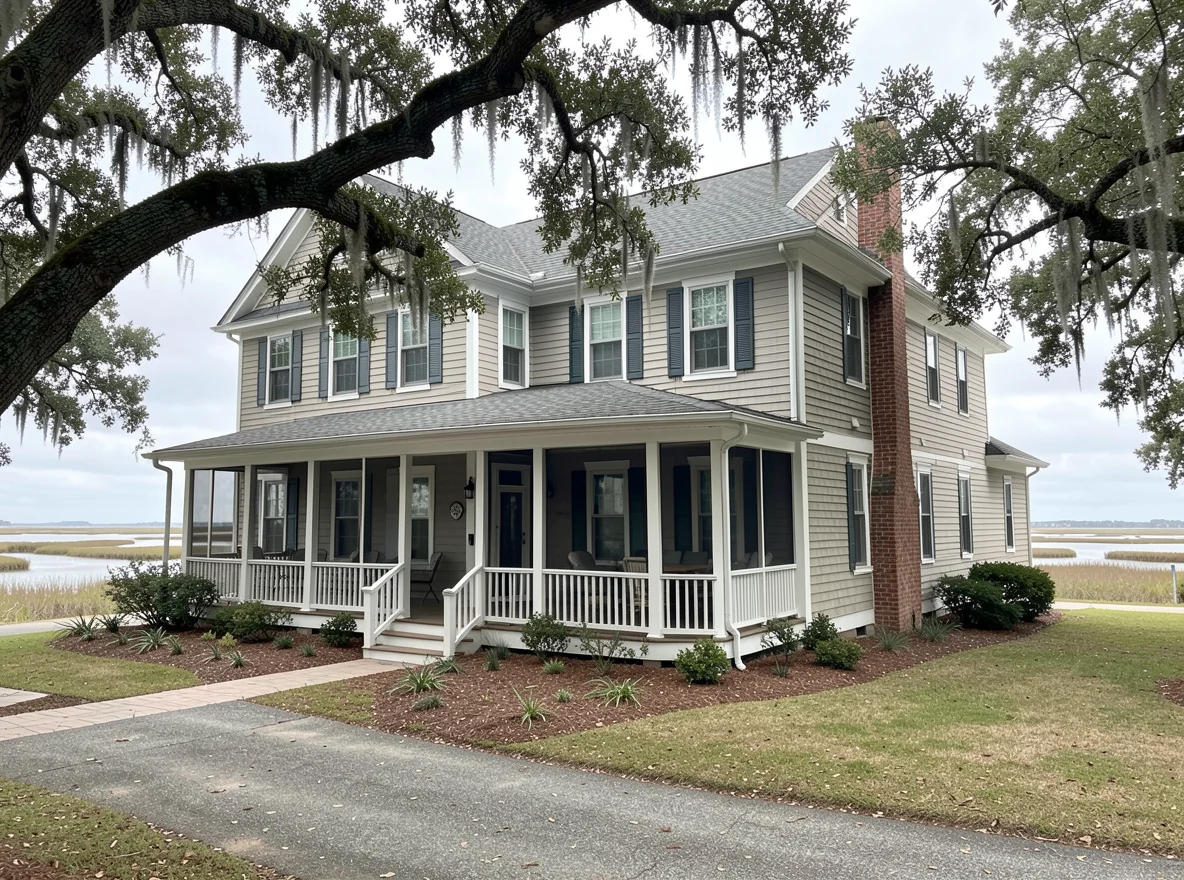
Ask your agent to review closed sales alongside pending and active listings. Closed sales show what buyers have actually paid; active listings show the choices buyers are considering now. Pending listings can suggest where demand exists, although their final terms may not be public. Consider days on market and price changes, too, rather than relying on an asking price alone.
Comparable sales rarely match perfectly. A renovated villa with an unobstructed view may not be directly comparable to a similar-sized unit needing updates. Likewise, a golf-front home’s position on the course, privacy, and outdoor living space can influence how buyers evaluate it. Discuss the differences with your agent and use them to develop a defensible price range—not a promise of a particular result.
A villa’s monthly or annual fees can change the comparison as much as its finishes. Review the fees and what they cover before treating another unit’s sale price as a direct match.
When inventory is limited or sales are unlike your property, widen the time frame or geography carefully and explain why each comparison is relevant. A customized market analysis should account for the differences rather than simply applying a price per square foot to every home on the island.
Price the setting as well as the structure
For a waterfront property, identify what the view and access actually include. Ocean, marsh, creek, and lagoon settings are not interchangeable, and a pleasant view does not necessarily mean the property has boating access. If a dock or other waterfront feature is involved, gather the relevant records and avoid making claims about depth, permits, or future improvements that have not been verified.
For golf-oriented properties, look closely at the specific outlook. A home facing a fairway may have different sightlines, activity nearby, and landscaping considerations than one with a more distant course view. Note the quality of the view from the main living spaces and outdoor areas, not just the location on a map. Club access and membership terms should be confirmed separately rather than assumed to transfer with the home.
For villas, compare homes within the same community when possible. Floor level, elevator access where available, outdoor space, renovation quality, and the scope of association maintenance can all matter. Ask for current governing documents, budgets, assessments, insurance information, and rental rules that apply to your property. These details help buyers understand both the home and its ongoing obligations.
Prepare the property for a closer look
Start with the work that makes the home feel cared for and makes its best features easy to see. Clean windows and screens, refresh worn paint where needed, service equipment, and address minor repairs. On a coastal property, pay particular attention to moisture, exterior surfaces, exposed hardware, and any visible signs of wear. Use qualified professionals when a repair or inspection calls for them.
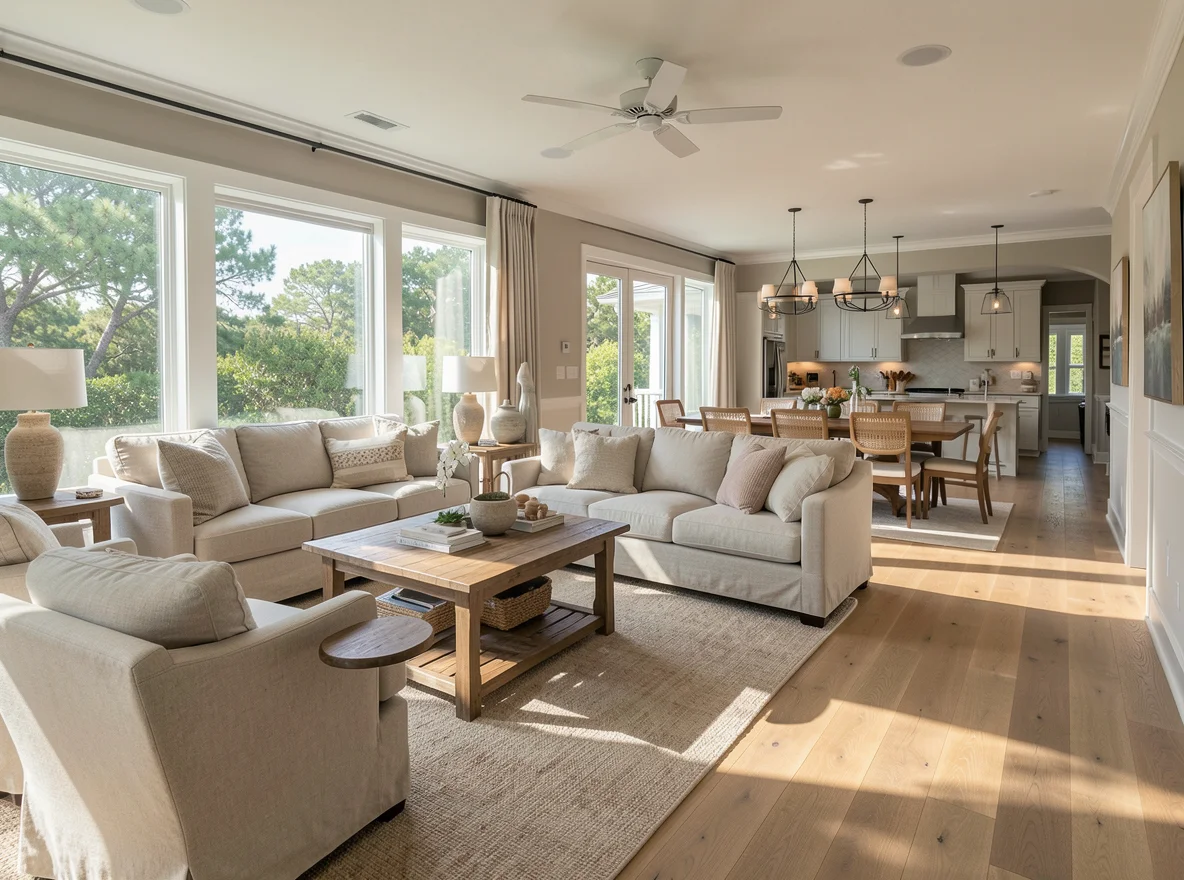
Inside, remove excess furniture and personal clutter so room dimensions and circulation are easy to understand. Open curtains for natural light, choose simple linens, and clear kitchen and bathroom counters. A few well-placed pieces can show how a room functions without distracting from the property itself. For a villa, make the most of storage and outdoor seating areas, which can be important parts of the layout.
Outside, clean decks and porches, tidy approved landscaping, and arrange seating to emphasize the actual view. Before trimming vegetation or changing exterior elements, check applicable association or local requirements. The aim is not to remake the property; it is to show the setting honestly and allow buyers to notice the features already there.
Clean glass, clear sightlines, and a usable porch can make a view easier to appreciate in both photographs and showings—without a major renovation.
Be selective about larger projects. Ask your agent which improvements are likely to help the home compete with current alternatives, then obtain estimates before committing. A costly remodel may not return its full cost at sale. Sometimes a repair, professional cleaning, or pricing adjustment is the more practical choice.
Gather the details buyers will ask about
A well-organized property file can make questions easier to answer during negotiations and due diligence. Gather available records early, and ask your agent or attorney which documents are relevant to your sale. Depending on the property, that file may include:
- Association or regime fees, governing documents, budgets, and any known assessments.
- Receipts, warranties, permits, and dates for major improvements or system replacements.
- Available flood, wind, and homeowners insurance information, along with any elevation certificate.
- Applicable rental rules, occupancy requirements, and any existing rental commitments.
- Information about club membership, amenity access, and transfer or purchase requirements, confirmed with the relevant organization.
- Survey, waterfront, or dock documentation when applicable.
Existing insurance costs are useful context, but they do not guarantee a buyer’s future premium or coverage. Likewise, rental history is not a forecast of future income. Provide accurate records and encourage buyers to verify insurance, financing, association rules, and other details independently. Complete required seller disclosures with care and consult your attorney when questions arise.
Plan the launch and review the response
Once the home is ready, coordinate photography, listing copy, access arrangements, and showing availability. Images should represent the property as it is, including its view and outdoor spaces. Buyers may also appreciate a floor plan and clear descriptions of improvements, fees, and amenities, subject to verification. If the home is rented or occupied, plan photography and showings around existing commitments.
Before listing, agree with your agent on when you will review the response and what information will inform the discussion: showing activity, buyer feedback, competing listings, and any changes in market conditions. A low number of showings and repeated concerns about price may call for a different response than strong interest followed by objections about a specific repair. Revisit the evidence rather than making an automatic adjustment on a fixed schedule.
When offers arrive, compare more than the headline price. Financing, contingencies, requested repairs, closing date, and the buyer’s ability to complete the purchase can affect the outcome. Your agent and closing attorney can help you understand the terms and your estimated proceeds before you respond.
A successful sale begins with a clear picture of what makes your property distinctive and what buyers need to know about it. With relevant comparisons, considered preparation, and reliable documentation, you can bring your Seabrook Island home to market ready for a serious conversation.