
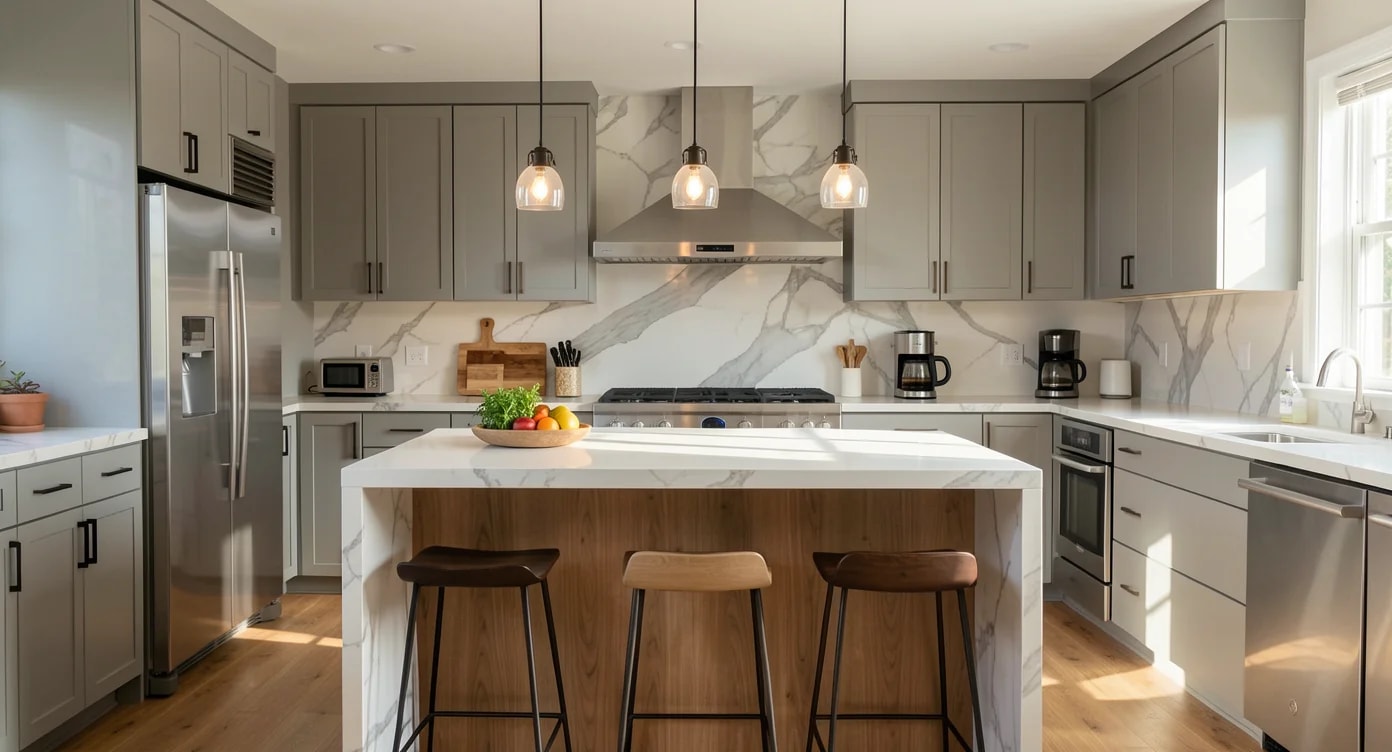
Salt air, strong sun, wind, and moisture can all take a toll on an Isle of Palms home. The most useful exterior upgrades often start with keeping water out, choosing corrosion-resistant materials, and making maintenance easier. Here’s how to prioritize projects and assess their potential value before you invest.
Start With the Building Envelope
On Isle of Palms, a covered porch and ocean breeze are part of the appeal of coastal living. Those same open-air surroundings also mean exterior materials face humidity, wind-driven rain, and salt exposure. A thoughtful renovation begins not with a new color palette, but with an inspection of the surfaces and connections that protect the home.
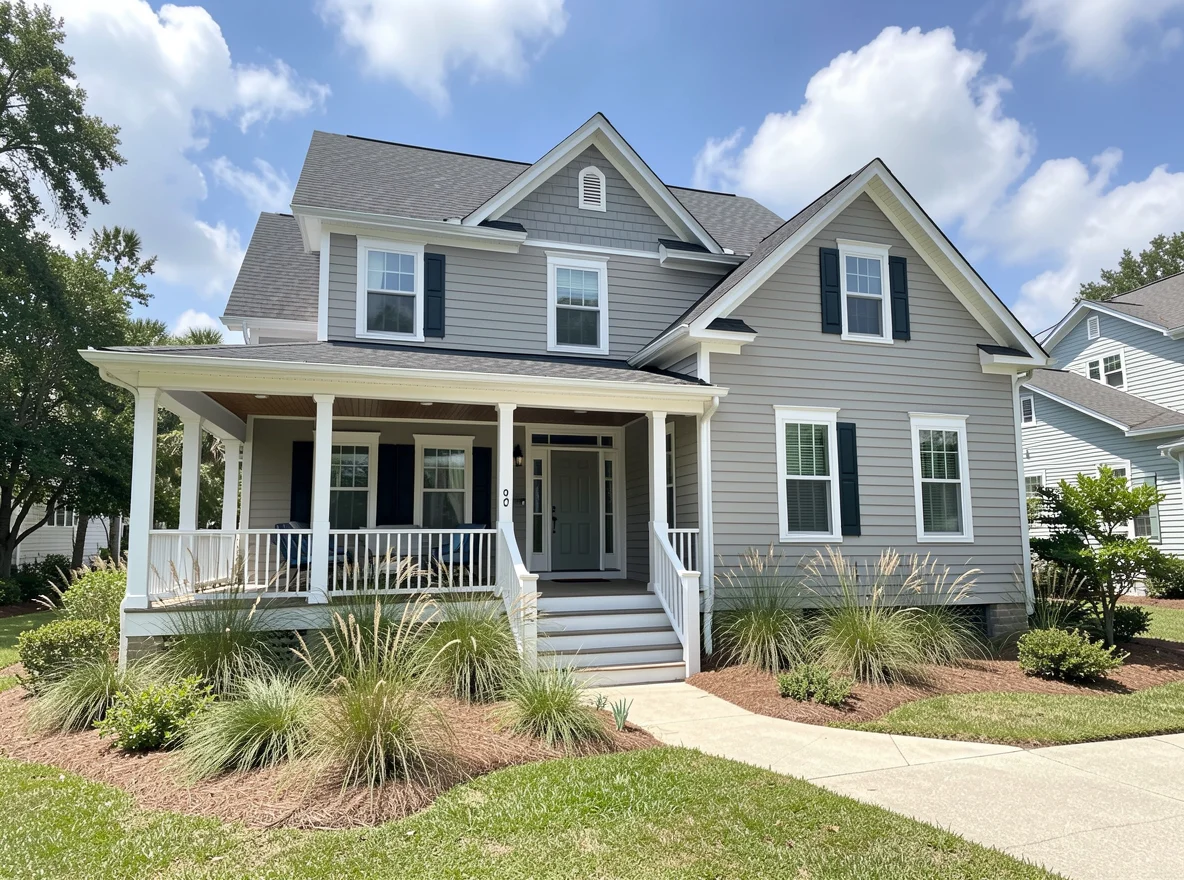
Look for peeling paint, soft trim, staining beneath windows, loose siding, and gaps around penetrations where pipes or wiring enter the house. Check shaded and exposed sides alike: sun can break down finishes, while damp areas may dry more slowly. A qualified inspector or contractor can help distinguish a cosmetic issue from a leak that needs further investigation.
When replacing siding, compare options such as fiber cement and other products rated for the intended coastal exposure. Ask about installation details, including flashing, clearances, fasteners, and the manufacturer’s recommended finish. Even durable siding can underperform if water gets behind it or the assembly cannot drain and dry properly.
Before covering damaged siding with a new finish, find the source of the moisture. A fresh exterior looks better, but it cannot solve a leak hidden behind it.
For owners planning a sale, documented repairs can make an exterior improvement easier for buyers to understand. Keep the contractor’s scope, paid invoices, product information, and relevant permits together. These records do not replace an inspection, but they give a buyer a clearer picture of what work was completed and when.
Choose Windows and Doors as Complete Systems
Windows and exterior doors do more than shape the view. Their frames, glass, seals, flashing, and installation all contribute to how well the opening handles weather. If you notice persistent leaks, difficult operation, or deteriorated frames, have the assembly evaluated before assuming that glass alone needs replacement.
When comparing products, ask a qualified installer about the applicable wind-load and opening-protection requirements for the property. Impact-rated products and approved shutter systems are different approaches; suitability depends on the opening, the product’s tested rating, installation, and local requirements. An attractive window is not necessarily a compliant or properly installed one.
Also consider maintenance access. Hardware, tracks, seals, and shutters need periodic attention, especially where salt accumulates. Ask the manufacturer how to clean each component and what is required to maintain the warranty. A home’s exposure and the products used may call for more frequent care than a similar property farther inland.
Don’t overlook the roof
A roof replacement is a substantial investment, so evaluate the entire assembly rather than the visible covering alone. Ask a licensed roofing professional to assess the roof covering, underlayment, flashing, penetrations, and attachment details. After significant storms, arrange an inspection when appropriate, and avoid climbing onto a damaged or steep roof yourself.
Material choice matters, but a product’s advertised lifespan is not a promise for every coastal home. Compare warranties, wind ratings, maintenance needs, and the contractor’s installation plan. If the roof is in sound condition, targeted repairs and regular inspections may be more sensible than replacing it solely for appearance.
Make Outdoor Living Easier to Maintain
Porches, decks, railings, and exterior stairs extend the usable space of a coastal home, but they also put more surfaces in contact with sun and moisture. Inspect walking surfaces, guardrails, connections, and the points where a deck attaches to the house. Movement, corrosion, splintering, or soft wood warrants a closer look by a qualified professional.
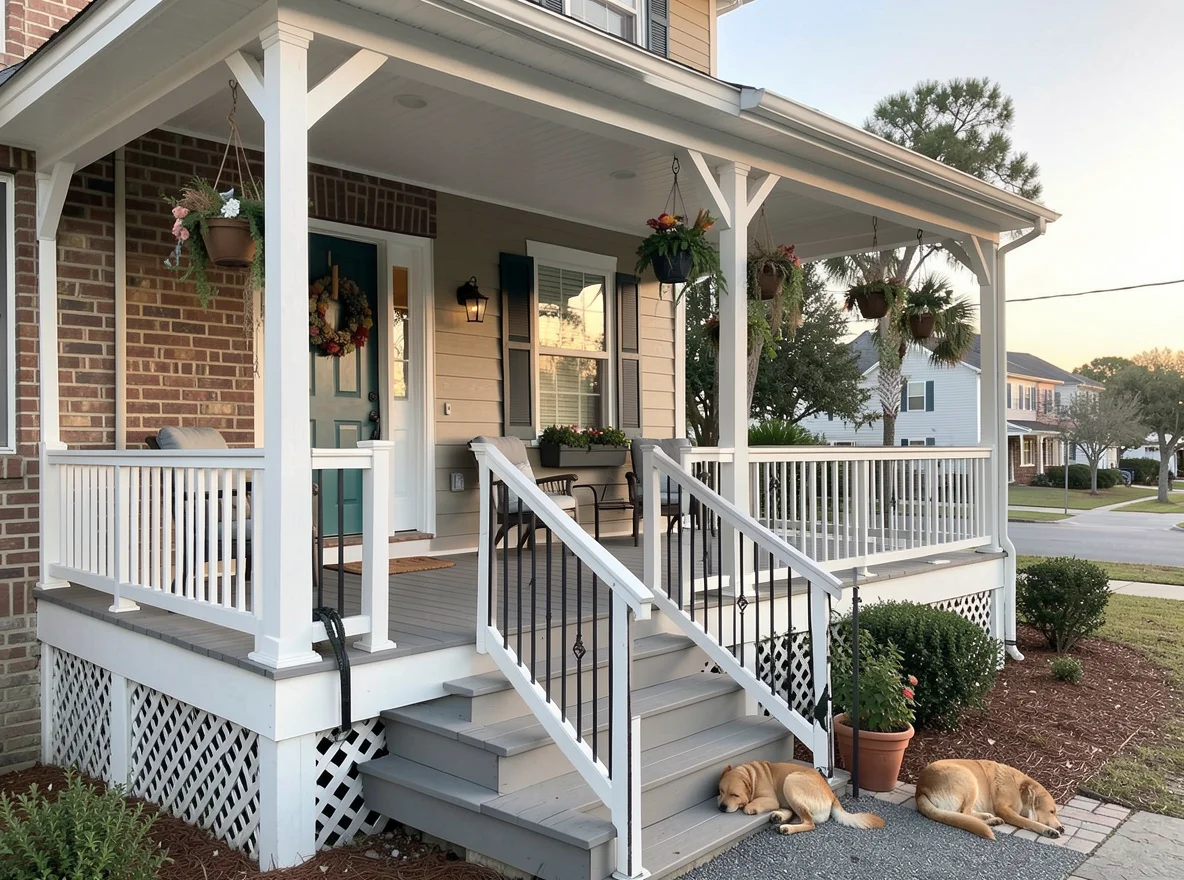
For a deck renovation, compare appropriate treated wood and composite products based on installation requirements, heat underfoot, cleaning, appearance, and long-term upkeep. No decking material is maintenance-free. The structure beneath the boards and the connections supporting it deserve as much attention as the surface people see.
Small metal components can have an outsized effect on durability. Ask your contractor to specify fasteners, connectors, hinges, and fixtures suitable for coastal exposure and compatible with adjoining materials. Corrosion-resistant hardware is not immune to wear, and mixing incompatible metals can create additional problems. Include inspection and cleaning in your maintenance plan.
Exterior lighting and outdoor furniture should be selected with the same practical mindset. Choose products intended for outdoor coastal conditions, follow cleaning instructions, and provide convenient storage or a plan for securing movable items before severe weather. These details help make a porch enjoyable without treating it as a space that requires no upkeep.
A deck’s visible boards are only part of the project. Ask to see how the supporting structure, ledger, fasteners, and rail connections will be inspected or replaced.
Plan Around Water, Flood Rules, and Approvals
Good drainage protects more than landscaping. Keep gutters and downspouts clear, direct runoff away from the foundation where feasible, and watch for pooling after heavy rain. Avoid grading changes that send water toward the home or a neighboring property. A drainage professional can recommend solutions suited to the site rather than relying on a one-size-fits-all fix.
For elevated homes, inspect accessible structural components and any enclosed areas below the living space. Coastal floodplain rules can affect what may be built, stored, or enclosed beneath an elevated structure. Before changing a ground-level enclosure or elevating equipment, discuss the proposal with the City of Isle of Palms and a qualified design professional.
Permits and review requirements depend on the property and the work. Projects near beaches, dunes, wetlands, or other regulated areas may need additional approvals. Community association rules may also apply. Major improvements or repairs can trigger floodplain compliance requirements, including substantial-improvement or substantial-damage rules where applicable; ask the local floodplain administrator how the rules apply before finalizing a budget.
Insurance deserves an early conversation, too. Ask your agent which wind and flood coverages, deductibles, exclusions, and documentation apply to your property. An upgrade may affect underwriting or eligibility, but savings are not guaranteed. Obtain an updated quote rather than relying on a contractor’s estimate of an insurance discount.
Prioritize Projects for Long-Term Value
Return on investment is more than a resale percentage. A repair that resolves water intrusion may protect the structure and prevent a more expensive problem, even if its value is not obvious in listing photographs. By contrast, a purely decorative upgrade may improve first impressions without addressing an aging roof or corroded hardware.
Build a project list in this order: urgent water or structural concerns, weather protection and code-related work, aging components, and then cosmetic improvements. Request detailed bids that separate materials, labor, permits, and possible hidden-damage allowances. For larger renovations, set aside a contingency and ask how unexpected conditions will be documented and approved.
If you are preparing to sell, compare the project’s cost and likely effect on presentation with the home’s condition and competing properties. Some buyers value move-in-ready exteriors; others may prefer to choose their own finishes. A local real estate professional can help evaluate the trade-offs, but no particular renovation guarantees a higher sale price or a full recovery of its cost.
Buyers can use the same approach during due diligence. Request available maintenance records, review disclosures and permits, arrange appropriate inspections, and obtain repair estimates before deciding which improvements fit the budget. For owners and buyers alike, the strongest coastal exterior is one supported by sound installation, realistic maintenance, and a plan for the next inspection—not just a beautiful finish.