
A successful Daniel Island Park purchase starts with more than finding the right home. Understand the inspection deadlines, association obligations, insurance costs, and closing details before you commit. This guide walks through the questions to ask from your first showing to the final walkthrough.
Start With the Property and the Full Budget
Daniel Island Park offers a distinctive Lowcountry setting, with residential streets, mature landscaping, and proximity to golf and club amenities. Homes differ in age, construction, setting, and features, so the purchase price is only the beginning of a useful comparison. Before touring, identify what matters most to you: outdoor living space, maintenance needs, a particular view, or access to island amenities.
Ask your lender for a preapproval that reflects your intended down payment and likely loan amount. For higher-priced homes, financing may involve a jumbo loan with different reserve, documentation, appraisal, and underwriting requirements. If you plan to pay cash, consider what documentation the seller may request as proof of funds.
Build a working budget that includes estimated property taxes, homeowners insurance, possible flood coverage, association charges, utilities, maintenance, and any optional club costs. Request property-specific estimates rather than relying on the seller’s current expenses. A change in ownership or tax classification can alter the tax bill, and eligibility for South Carolina’s primary-residence assessment is determined by the applicable rules and county assessor.
When comparing listings, review recent comparable sales with your agent, paying attention to lot characteristics, condition, square footage, and special features. Current availability and negotiating conditions can change, so a property-specific analysis is more useful than assuming every home in the neighborhood will follow the same pattern.
Search Daniel Island Park listings
Make the Contract Calendar Work for You
Once you find a property, review the proposed contract with your agent and South Carolina real estate attorney. The purchase price matters, but so do the deposit, financing terms, inspection provisions, closing date, and any rights to terminate. Ask exactly when each deadline begins and what written notice is required if you need to exercise a contractual right.
Schedule inspections promptly after the contract is signed. Inspector availability, follow-up evaluations, and repair estimates can take time, particularly when a home has specialized systems. Your team can help coordinate access and track the dates, but you should keep your own calendar and understand which deadlines apply to your agreement.
Inspection and termination rights depend on the contract you sign. Confirm the deadline and required notice before ordering inspections or negotiating repairs.
Plan for the possibility that the inspection report identifies an issue requiring another professional’s opinion. A roofer, structural engineer, HVAC contractor, electrician, or pool specialist may be appropriate depending on the property. The goal is not simply to produce a long list of observations; it is to understand the significance, likely cost, and timing of any work before your decision period expires.
What to review after the inspection
Read the entire report, not just the summary, and ask the inspector to explain unfamiliar findings. Distinguish routine maintenance from conditions that need prompt attention. If repairs or credits are negotiated, have the agreement documented in writing, including who will complete the work, what standard applies, and whether receipts or a reinspection will be provided.
Look Closely at Coastal Construction and Insurance
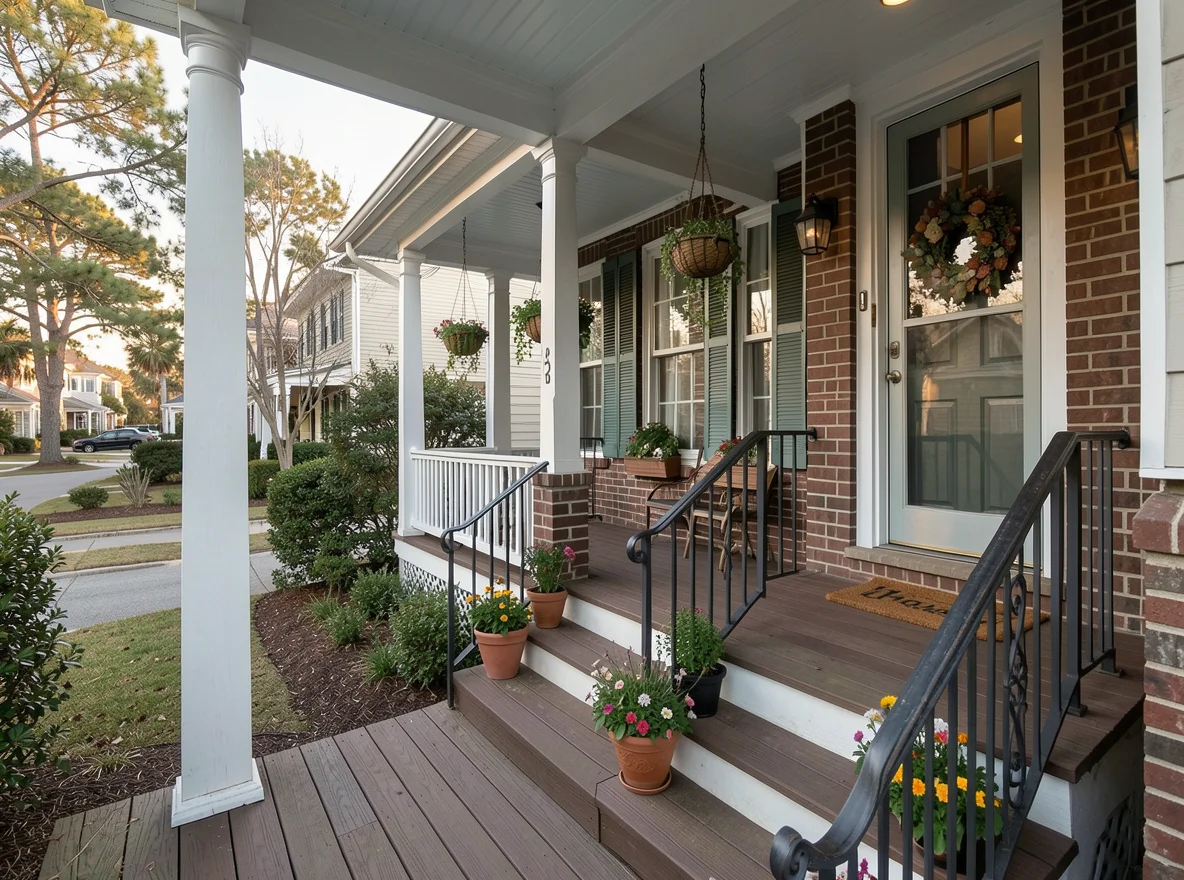
A home’s porch, roofline, landscaping, and outdoor spaces contribute to its character, but they also deserve a close look during due diligence. In the Lowcountry climate, ask inspectors about moisture management, drainage, exterior materials, window and door seals, and the condition of exposed metal components. A well-maintained property can still have systems that are approaching replacement age.
Request an insurance quote early, using the specific address and available construction details. Discuss wind and hail deductibles, coverage limits, replacement cost, and any exclusions with an insurance professional. Ask whether flood insurance is required by the lender and whether it makes sense to obtain a quote even if it is not required. Flood exposure and premiums are property-specific; a map designation alone does not describe every potential loss.
If available, review an elevation certificate, prior claims information, permits, and records for roof or major system replacements. Verify whether a certificate is current and appropriate for the intended use with your insurer or survey professional. For a property with a pool, dock, or other specialty feature, ask about separate inspections, maintenance obligations, and any permits or approvals that may apply.
A flood zone designation and an insurance quote answer different questions. Review both for the specific property before finalizing your budget.
Understand Association Costs and Club Access
Before your review period ends, request the governing documents and current fee information for every association that applies to the property. Depending on the home, there may be more than one layer of association oversight. Ask for the current assessment schedule, payment frequency, transfer or administrative charges, special assessments, and any known outstanding balance.
Read the restrictions as carefully as the budget. Architectural approval may be required for exterior changes, landscaping, additions, or other projects. Ask how the process works, whether previous improvements were approved, and who is responsible for maintaining fences, drainage features, or common areas next to the lot. If rental flexibility matters to your plans, verify the recorded rules and applicable local requirements rather than relying on a listing description.
Association dues and private club membership are not necessarily the same thing. If golf, dining, or other club amenities are important to your decision, contact the club directly to confirm current membership categories, application requirements, availability, fees, and whether any interest associated with the property can transfer. Do not assume that purchasing a home automatically provides club access.
Move From Approval to Closing
After the inspection phase, keep the financing process moving. Respond quickly to lender requests, avoid major financial changes without discussing them with your lender, and confirm the appraisal and insurance requirements. Your attorney will coordinate title work and closing documents; review any survey, easements, or title exceptions with counsel so you understand how they may affect the property.
Before closing, review the settlement figures and ask about any item you do not recognize. For most financed residential purchases, the lender must provide a Closing Disclosure at least three business days before consummation; certain changes may require a new waiting period. Your lender and attorney can explain the timing for your transaction and the funds needed to close.
Arrange a final walkthrough close to closing to check the property’s condition, agreed repairs, included appliances, and any items the seller was to remove. A walkthrough is not a substitute for an inspection; it is a final opportunity to identify changes or unresolved contract items. If something is wrong, contact your agent and attorney before signing.
Finally, verify wiring instructions by calling your attorney’s office at a trusted, independently confirmed number. Do not rely on emailed changes to payment instructions. With financing, inspections, association documents, and closing details organized early, you can approach a Daniel Island Park purchase with a clearer understanding of both the home and the commitments that come with it.