
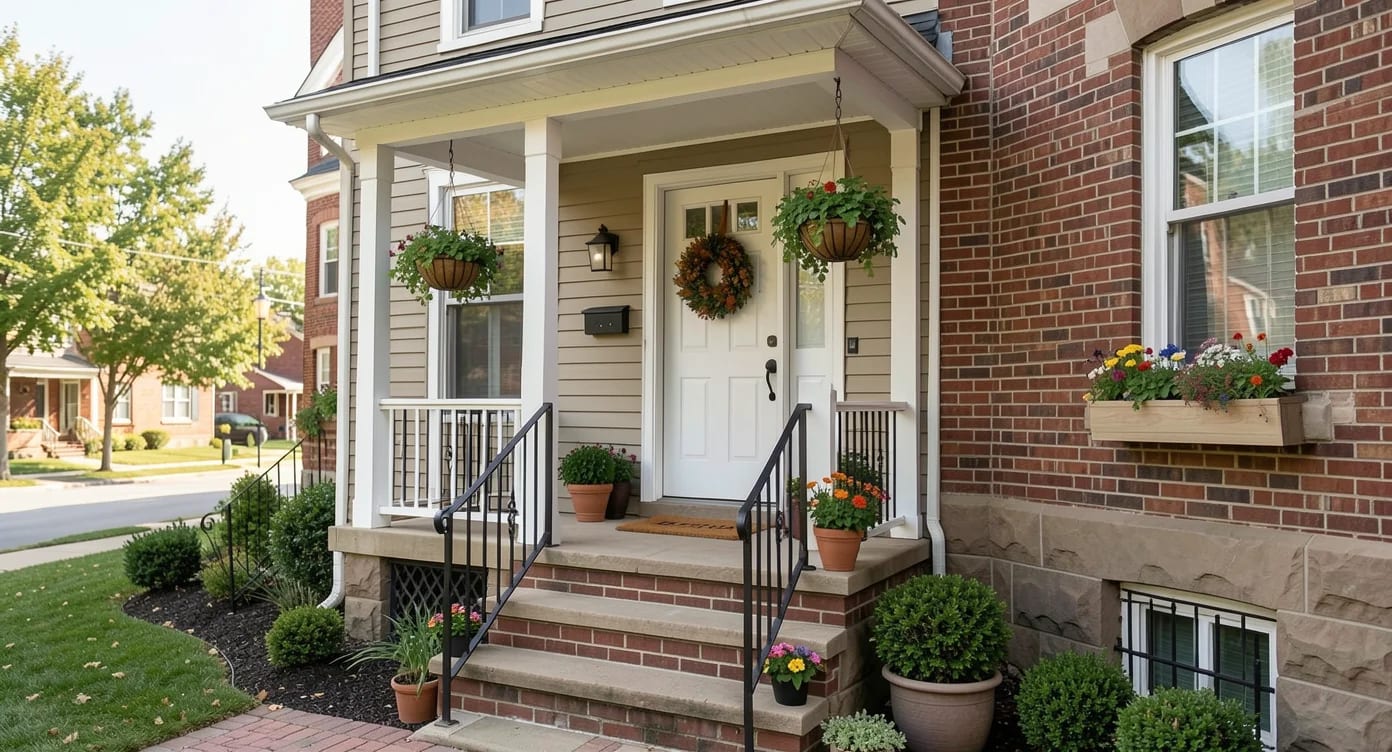
A successful purchase in I’On starts with more than finding a home you love. Understanding association costs, coastal insurance, inspection priorities, and contract deadlines can help you build a realistic budget and move toward closing with fewer surprises.
Start with the home and the neighborhood
In I’On, Mount Pleasant, Lowcountry-inspired architecture and inviting porches help give the neighborhood its distinctive appearance. As you compare homes, look beyond the listing photographs: consider the layout, maintenance history, outdoor spaces, parking, and proximity to the places you use regularly. A closer look at the property’s obligations is just as important as a walk through its rooms.
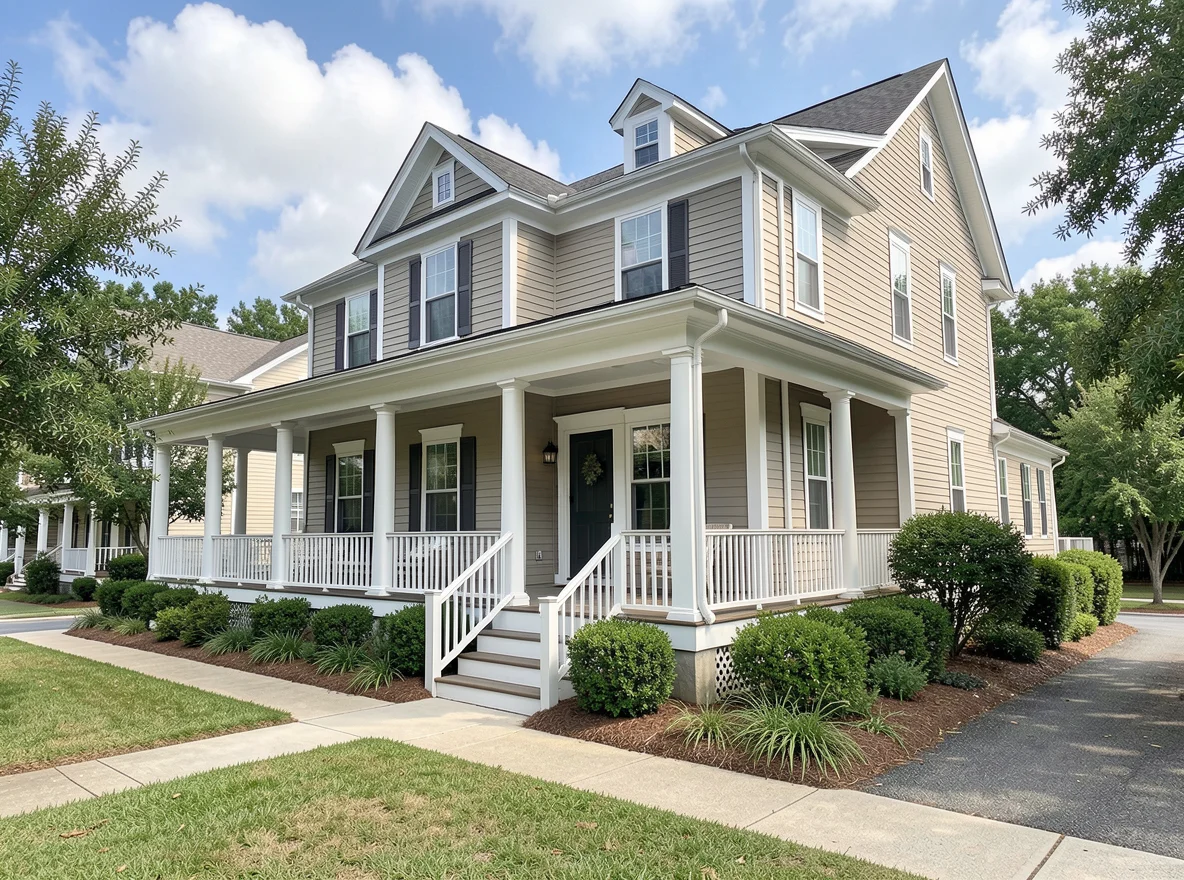
Begin your search with a clear picture of your financing and monthly comfort level. A lender can help estimate your payment using a potential purchase price, down payment, interest rate, taxes, insurance, and association dues. These estimates are a starting point, not a substitute for property-specific quotes. If you plan to pay cash, set a separate budget for closing costs, inspections, insurance, and improvements.
Compare properties using recent, relevant sales rather than assuming that every home in the neighborhood carries the same value. Lot characteristics, square footage, condition, updates, and outdoor features can influence the comparison. Your agent can help you review current listings and comparable sales, while your lender can explain how an appraisal may affect a financed purchase.
Visit at different times if your schedule allows. Pay attention to the route to your usual destinations, the amount of natural light, drainage around the lot, and how the home’s spaces function. Those observations can help you distinguish between cosmetic preferences and issues you want a professional to investigate during the contract period.
Understand the full cost of association ownership
Association dues are one part of the ownership budget, but the amount and payment schedule should be verified for the specific property. Ask for current governing documents and a written breakdown of regular dues, any transfer or administrative fees, and known or approved special assessments. If another association applies to the property, request its information too.
Review the budget, financial statements, available meeting minutes, and reserve information with your agent and, when appropriate, your attorney. Look for planned maintenance, capital projects, pending disputes, or changes that could affect future expenses. A well-kept common area is useful to see in person, but the documents provide a clearer picture of what owners pay for and how decisions are made.
Ask for the current dues and any known special assessments in writing for the exact property. A listing’s monthly estimate may not include every association-related cost.
Rules matter as much as fees. Check architectural review requirements before planning exterior paint, landscaping changes, additions, or other visible improvements. If you intend to rent the property, confirm both association restrictions and current Mount Pleasant requirements before relying on any rental income. Also verify whether access to a club or recreational facility requires a separate membership, application, or fee; do not assume it is included with homeownership.
For an attached home or a property subject to additional covenants, clarify which party maintains the roof, exterior, landscaping, and shared elements. Ask what insurance the association carries and what coverage the owner must purchase. The answers can affect both your monthly budget and the scope of your inspection.
Plan inspections around coastal conditions
A general home inspection is a useful starting point, but its scope is limited. Schedule it early enough to review the report, obtain specialist opinions when needed, and decide on any requests before the deadlines in your contract. Ask the inspector what areas will be accessible and which systems or features require a separate evaluation.
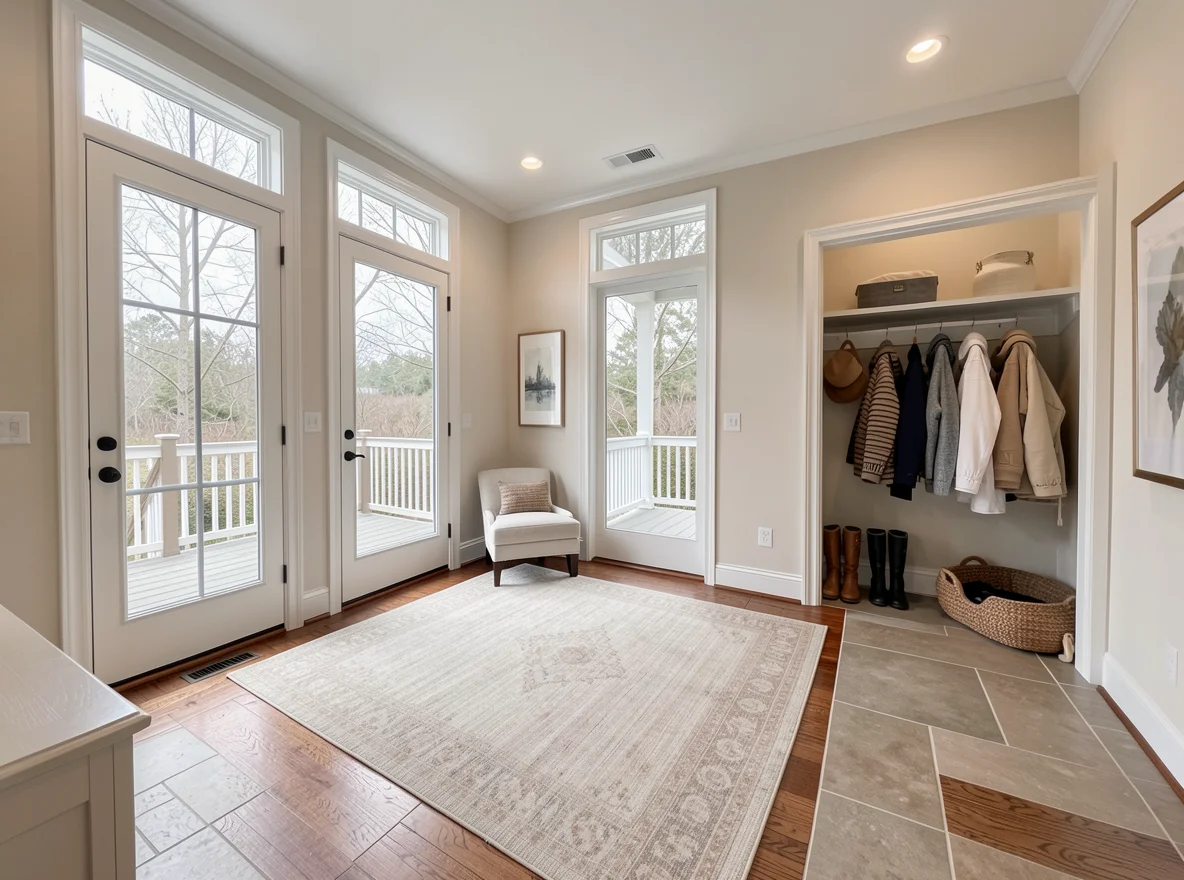
In the Charleston area’s humid coastal climate, pay particular attention to moisture, drainage, wood components, and the condition of exterior finishes. Depending on the home, you may want additional evaluations of the roof, HVAC system, crawl space, foundation, or other features. A wood-destroying organism inspection may also be appropriate or required by the transaction or lender. Discuss the property’s age and construction with qualified professionals rather than relying on a standard checklist alone.
Review disclosures and available records alongside the inspection findings. Ask about prior water intrusion, repairs, permits, warranties, and maintenance of major systems. If a report identifies a concern, a licensed specialist can help determine its significance and provide a repair estimate. Not every finding is a deal-breaker, but understanding the likely work and timing can make negotiations more productive.
For a home with a porch, exterior stairs, or an elevated foundation, ask inspectors to examine accessible structural elements and signs of deterioration. If the property has features such as a pool, irrigation system, or fireplace, confirm whether they are covered by the general inspection. Arrange separate evaluations where appropriate and make sure utilities are on when testing is scheduled.
Get property-specific insurance and tax estimates
Before committing to a purchase, request homeowners insurance quotes for the actual address and discuss wind and hail coverage, deductibles, exclusions, and any separate policies with an insurance professional. Review the applicable flood map and ask for a flood insurance quote even if a lender does not require coverage. A mapped designation is useful information, but it does not describe every possible source of flooding or determine every premium.
If available, an elevation certificate and information about the home’s construction or prior claims may help an insurer prepare a more accurate quote. Ask what documentation is needed and whether any underwriting or inspection requirements could delay coverage. Insurance terms and pricing can change, so confirm that a policy can be bound before closing.
Property taxes also deserve an address-specific estimate. A seller’s current bill may not reflect what you will owe after a purchase. Ask the county assessor or a qualified tax professional about the applicable assessment, eligibility requirements, application process, and potential changes in your circumstances. Include taxes, insurance, and dues in your total ownership calculation—not just principal and interest.
Map the timeline from offer to closing
There is no universal I’On closing schedule. The timeline depends on the negotiated contract, financing, document availability, inspection results, and the parties’ readiness. Before submitting an offer, ask your agent and South Carolina closing attorney to explain the deadlines and how each contingency works. Put every date on a shared calendar and identify who is responsible for the next step.
A practical sequence to discuss with your team
- Before the offer: Obtain a lender preapproval or prepare proof of funds, estimate carrying costs, and identify the documents you want to review.
- After contract acceptance: Deliver any required earnest money as directed by the contract, apply for financing promptly, request association documents, and schedule inspections.
- During due diligence: Review reports and insurance quotes, seek specialist estimates if needed, and address any inspection requests or other decisions by the applicable deadlines.
- Before closing: Confirm loan approval and insurance, review the closing figures with your attorney, arrange funds using independently verified instructions, and schedule a final walk-through.
Inspection, financing, and document-review deadlines may not fall on the same day. Confirm each one in the signed contract and seek advice before a deadline expires.
A final walk-through is an opportunity to check the home’s condition and confirm agreed-upon work, not a replacement for the original inspection. If repairs were negotiated, request receipts and relevant documentation in advance. Your attorney can explain how unresolved issues should be handled and what the closing documents require.
Make an informed next move
Buying in I’On is easier to navigate when the appealing details and the practical ones receive equal attention. Review current property information, confirm the association’s requirements, and give your lender, inspectors, insurer, and attorney enough time to do their work. With a clear budget and a calendar built around your contract, you can evaluate a home on its merits and make decisions with greater confidence.