

A walk through Mount Pleasant’s Old Village brings together harbor views, historic streets, and gathering places that reveal the area beyond its listings. Pair a visit to Pitt Street Bridge and Alhambra Hall with a seasonal event nearby to see how the neighborhood and the wider town come to life.
A Harbor Walk with Room to Wander
In Old Village, a waterfront outing is less a single marked trail than a collection of places worth exploring at your own pace. Begin near Pitt Street Bridge, take in the marsh and water, and leave time for the residential streets and public spaces closer to Alhambra Hall. The setting offers a useful introduction to the mix of architecture, open views, and everyday activity that shapes this part of Mount Pleasant.
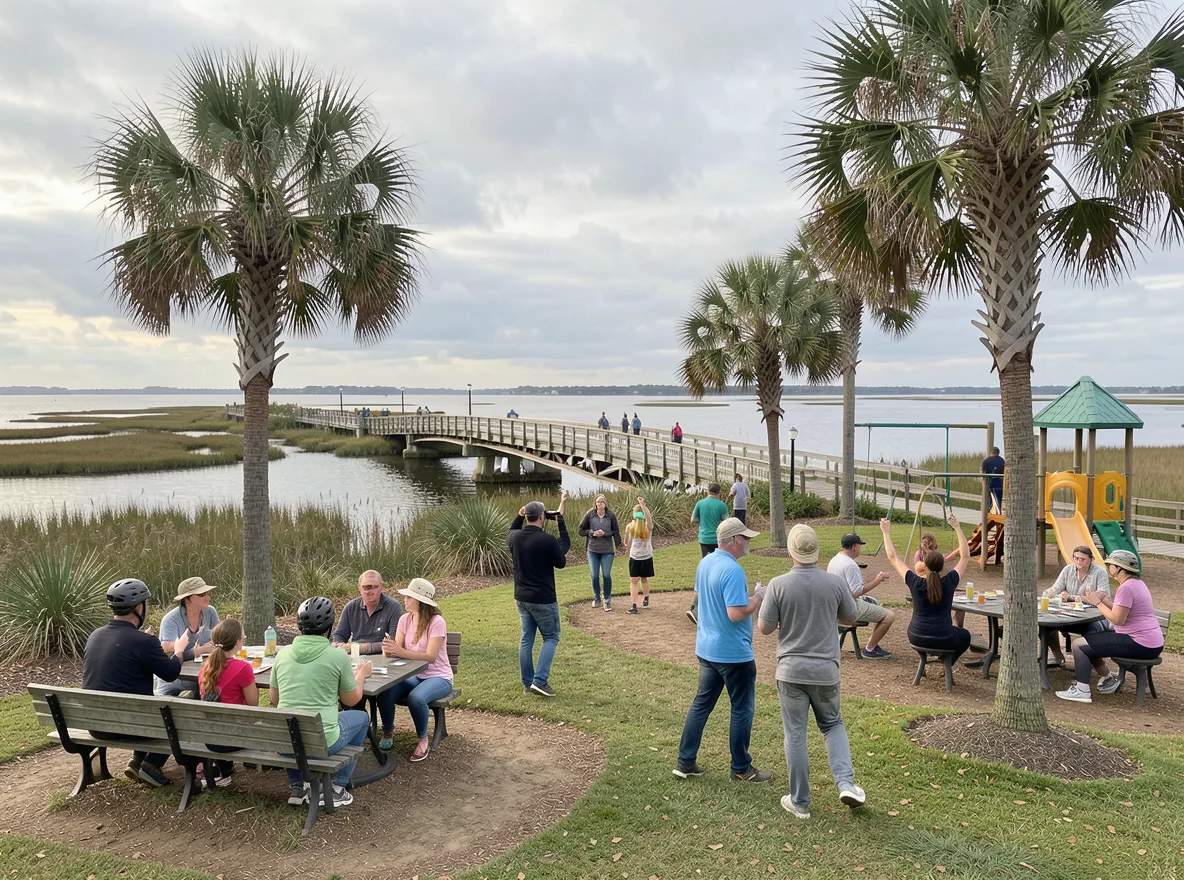
The former bridge corridor once connected Mount Pleasant with Sullivan’s Island; today, the park is a place to walk, fish, and watch the changing light over the water. Bring a hat and water on warmer days, and check the weather before heading out. Conditions along the exposed waterfront can feel quite different from those on the shaded streets inland.
Alhambra Hall offers another perspective on the harbor, with lawn space and views across the water. It is also an event venue, so check the town’s information for any scheduled use before planning a visit. Between stops, follow public streets and paths rather than assuming there is a continuous shoreline route; waterfront property and access vary from one block to the next.
Pitt Street Bridge and Alhambra Hall are separate stops, not points on one continuous harborfront promenade. Allow time to explore the streets between them.
A slow loop can be as informative as a formal tour. Notice where sidewalks are available, how much shade a particular street receives, and the distance from a home to the places you would actually visit. If you are comparing properties, return at another time of day to see how traffic, parking, and the waterfront atmosphere change.
Seasonal Gatherings Around Mount Pleasant
Old Village’s appeal extends beyond the immediate neighborhood. Town events provide a reason to explore the surrounding area and see the places where residents and visitors gather. Locations and schedules can change, so confirm the latest details with the Town of Mount Pleasant or the event organizer before making plans.
Blessing of the Fleet and Seafood Festival
One of the town’s recognizable spring traditions is the Blessing of the Fleet and Seafood Festival, held at Mount Pleasant Memorial Waterfront Park. The event celebrates the local shrimping and fishing community and typically includes a boat procession, food, and entertainment. It takes place outside Old Village, but it is a useful addition to a visit centered on the harbor and the maritime traditions of the Lowcountry.
For buyers, an event day can show how the larger waterfront area functions when it is busy. For sellers, it is a reminder that the appeal of a location includes experiences beyond the property itself. Allow extra time for transportation and review event-specific parking or shuttle guidance rather than assuming a normal visit and a festival visit will feel the same.
Farmers Market and Holiday Parade
The Mount Pleasant Farmers Market is another seasonal gathering to look for, generally operating during the warmer months near Moultrie Middle School on Coleman Boulevard. Browse local produce and other offerings, then continue toward Old Village for a look at the streets and waterfront. Vendor participation, dates, and hours can vary by season.
Later in the year, Mount Pleasant’s Christmas Light Parade brings illuminated entries along Coleman Boulevard. It is a town-wide event rather than an Old Village event, and road closures can affect travel around the area. Check the official parade route and schedule before arranging a showing, dinner, or evening visit.
For a useful comparison, visit once on an ordinary weekday and once during a scheduled town event. The contrast can reveal how access and parking change with the calendar.
What the Streets Reveal About Local Homes
Beyond the waterfront stops, the neighborhood’s streets give context to individual properties. Historic homes, later residences, mature landscaping, and porches contribute to a varied streetscape. Some homes sit near public gathering places; others are farther from the water. A listing’s location on the map is only the beginning of understanding its surroundings.
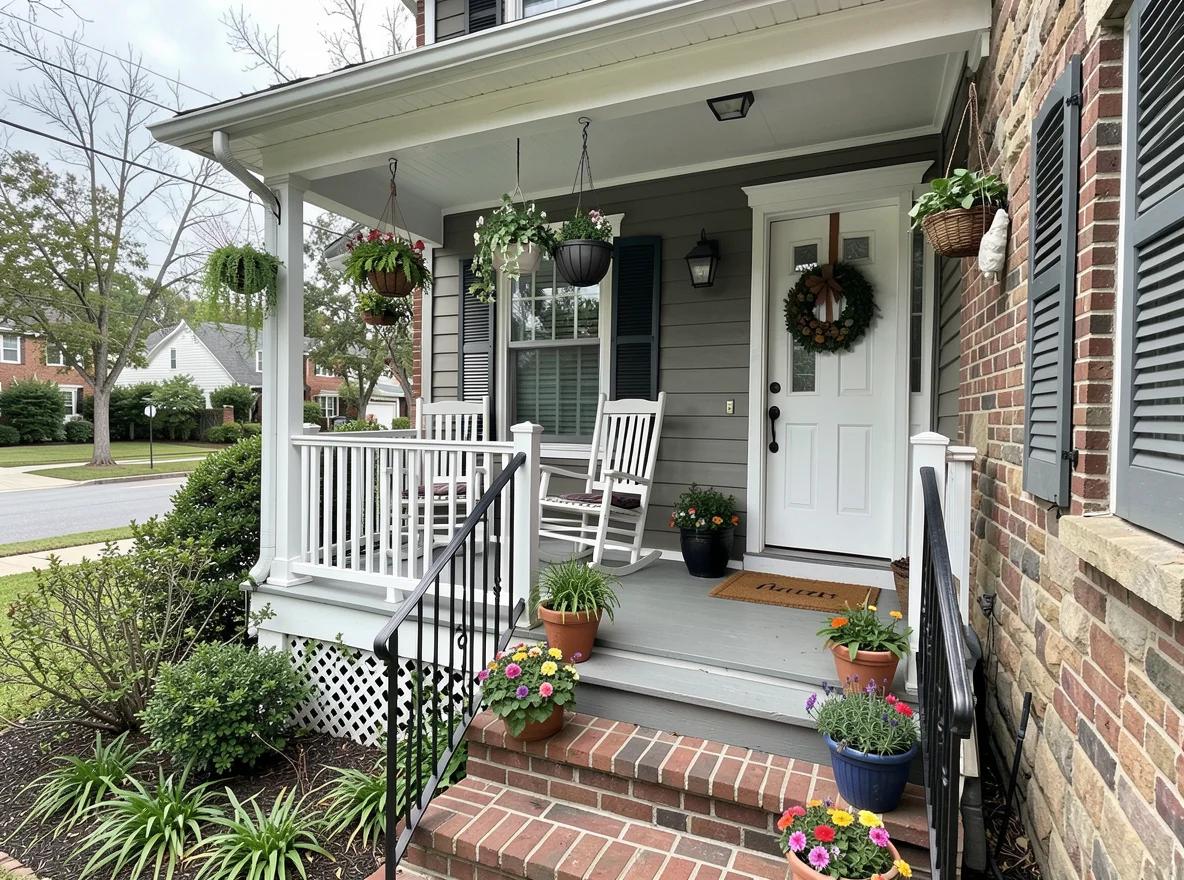
When evaluating a home, consider the details that matter to your plans: lot layout, outdoor space, parking, maintenance history, and the condition of major systems. For an older property, ask about prior renovations and whether historic district rules or other local requirements apply. The town can help clarify the review process for a specific address and proposed work.
Coastal ownership also calls for property-specific research. Review available flood information, request insurance estimates, and discuss drainage or past water concerns during due diligence. A harbor view, a walk to a public park, and direct waterfront access are different features; confirm exactly what a property includes rather than relying on proximity alone.
For sellers, presenting the home alongside accurate neighborhood context can help buyers understand its setting. Describe a porch, garden, or public amenity precisely, and distinguish a nearby gathering place from a feature on the property. A knowledgeable local agent can also help assess comparable sales and current competition without relying on broad assumptions about the entire Charleston market.
Plan a Visit That Goes Beyond the View
Make room for a stop along Pitt Street, where local businesses and dining add another dimension to the neighborhood. Then consider a visit to nearby Shem Creek or Memorial Waterfront Park to see more of Mount Pleasant’s relationship with the water. These destinations are distinct from Old Village, and travel times depend on your starting point and the day’s traffic.
If schools are part of your research, verify current attendance zones and enrollment information directly with the school district for the specific property. Similarly, confirm park hours, event access, and any temporary closures with the town. These practical checks turn an enjoyable day out into a more useful picture of daily life.
Whether you are preparing to buy or considering a sale, the best introduction is a combination of neighborhood exploration and property-specific advice. Walk the public spaces, attend a local gathering when the calendar allows, and ask questions about the home itself. Together, those experiences offer a fuller understanding of Old Village than a harbor view alone.