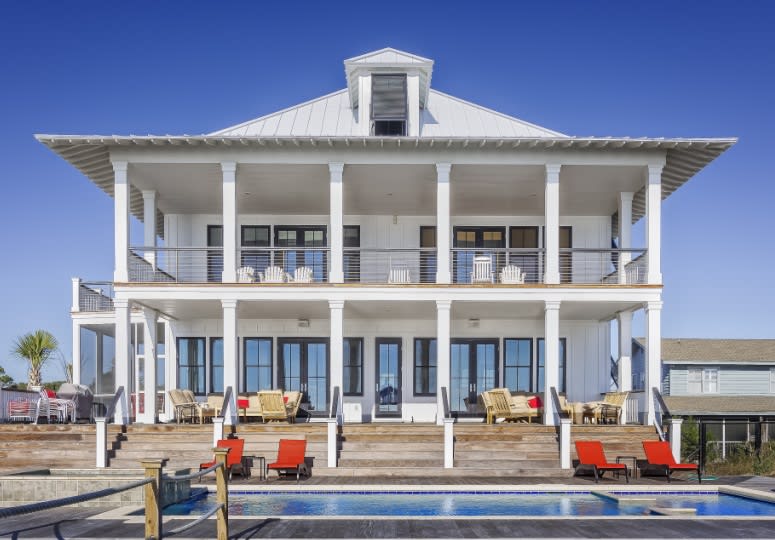
Protecting Your Coastal Sanctuary: The Luxury Homeowner’s Storm Playbook
Living along the South Carolina coast offers an enviable lifestyle of sun-drenched waterways, sea breezes, and private deepwater docks. However, coastal ownership also requires proactive stewardship during Atlantic hurricane season, which runs from June 1 through November 30.
For high-value coastal estates, historic downtown residences, and barrier island properties, storm preparedness is not about scrambling for plywood—it is about engineered building resilience, redundant backup systems, and a systematic checklist executed with precision.
1. Hardening the Coastal Building Envelope
The first line of defense during a tropical cyclone is maintaining envelope integrity against high wind pressures and wind-borne debris:
- Impact-Rated Glazing (DP 50+): Ensure all windows, transoms, and sliding glass walls feature laminated impact glass certified to withstand hurricane-force missile impacts without breaching the building envelope.
- Motorized Roll-Down & Bahama Shutters: For exposed oceanfront and marshfront elevations, motorized extruded aluminum roll-down shutters provide instant, remote-controlled storm protection. Traditional Bahama shutters should be secured with heavy-duty stainless locking pins.
- Roof Mitigation & Hurricane Strapping: Annual pre-season inspections should confirm that flashing, standing-seam metal clips, and slate ties are secure, while roof-to-wall continuous load paths (hurricane ties) meet current building codes.
2. Standby Power & Critical Infrastructure
Coastal utility grids often take several days to restore following a major storm. Luxury homes must maintain continuous power for refrigeration, security systems, climate control, and sump pumps:
- Whole-Home Standby Generators: A permanently installed liquid propane (LP) or natural gas generator (typically 24kW to 48kW for estates) paired with an automatic transfer switch (ATS) ensures seamless power transition within seconds of grid failure.
- Underground Propane Storage: Ensure your 500- to 1,000-gallon buried propane tank is filled before the peak of the season (August/September).
- Dual Submersible Sump Pumps with Battery Backups: For homes with ground-level garages or storage areas, redundant sump pump systems prevent groundwater intrusion from pooling around structural foundations.
- Whole-Home Surge Suppression: Install panel-mounted commercial surge suppressors to protect sophisticated smart home automation, security cameras, and HVAC compressors from storm-induced electrical spikes.
3. Marine, Waterfront & Dock Securing Protocol
Waterfront properties along the Wando, Stono, Kiawah, and Bohicket Rivers require specific marine due diligence:
- Never Leave Boats on Elevated Boat Lifts: Massive storm surges can float vessels off their lift bunks, causing boats to batter pilings or capsize into dock roofs. Vessels should be hauled out to an inland dry-stack marina or trailered inland well in advance.
- Floating Dock Piling Height Verification: Ensure your dock pilings are engineered high enough (minimum 12 to 16 feet above Mean High Water) to prevent floating docks from floating off the tops of pilings during astronomical king tides combined with storm surge.
- Isolate Dock Utilities: Shut off dock power breakers and close the freshwater supply valve at the seawall shutoff box before storm arrival to prevent saltwater electrical fires or severed waterline contamination.
4. Charleston County Evacuation Logistics & Bridge Protocols
When mandatory coastal evacuations are ordered by the Governor of South Carolina, timing your departure is critical:
- Know Your Evacuation Zone: Barrier islands (Sullivan's Island, Isle of Palms, Kiawah, Seabrook) and low-lying peninsular areas are in Zone A, which evacuates first.
- Bridge Closure Thresholds: The Arthur Ravenel Jr. Bridge, Ben Sawyer Swing Bridge, and Isle of Palms Connector are typically closed by law enforcement once sustained crosswinds reach 35 to 40 mph. Never delay departure past high-wind warnings.
- I-26 Lane Reversal (Contraflow): In major hurricane events, Interstate 26 implements contraflow lane reversal, turning all outbound lanes westbound toward Columbia for rapid, unencumbered transit.
Private Client Property Concierge
Whether you are evaluating storm resiliency during a home purchase or seeking introductions to Charleston’s premier hurricane shutter engineers, generator technicians, and marine contractors, consult Jayson Wingfield & Eric Blackstone at The Charleston Group.
Direct Inquiries: (843) 588-8416 | The Charleston Group Luxury Real Estate