Don't forfeit your golf privileges. The critical 30-day transfer deadline, membership caps, and due diligence rules every Kiawah buyer must know.
The SC Property Tax Trap: How Luxury Buyers Avoid the 6% Penalty

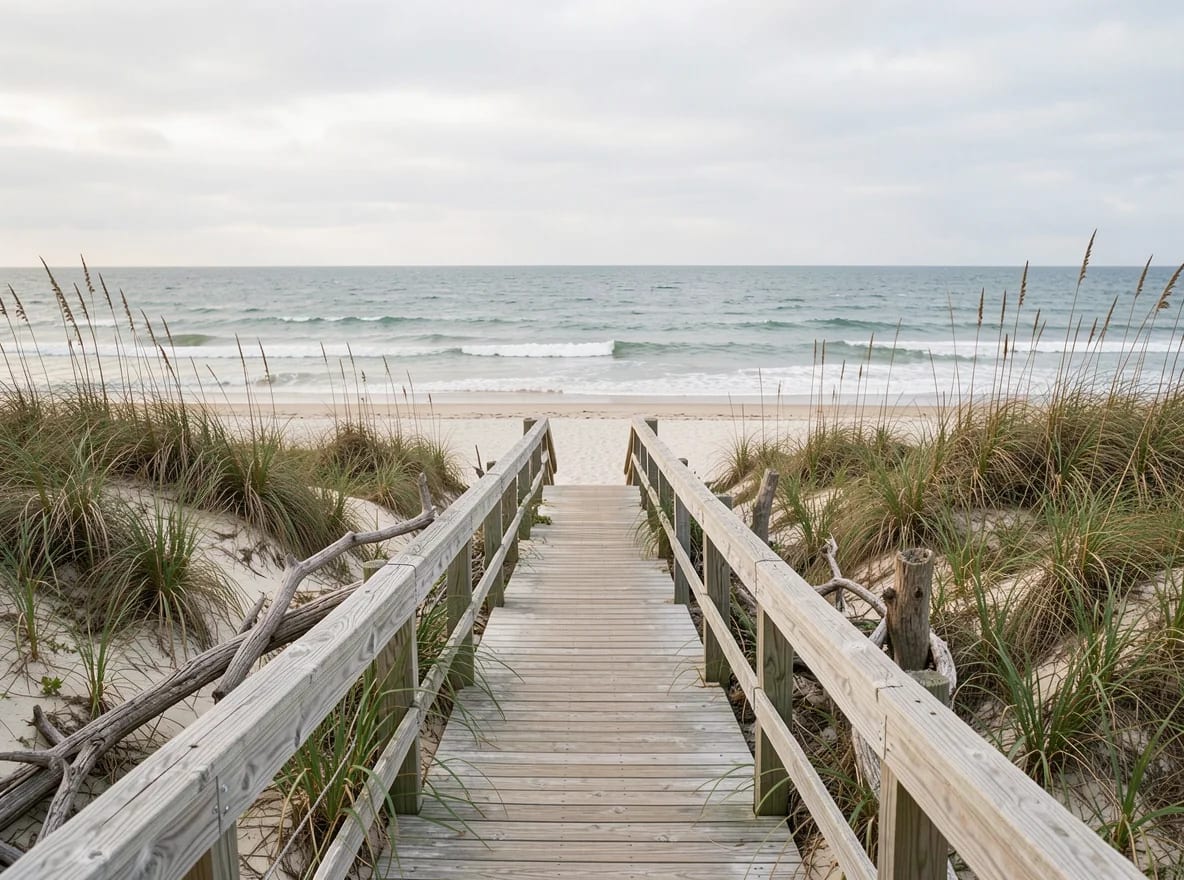
For discerning luxury buyers acquiring real estate on Kiawah Island, access to the Kiawah Island Club—with private tee times on Tom Fazio’s River Course and Tom Watson’s Cassique, alongside oceanfront dining at Robert A.M. Stern’s Beach Club—is often the primary catalyst for the purchase.
However, many incoming buyers mistakenly assume that acquiring a multi-million-dollar Kiawah home automatically grants them membership privileges. In reality, the Kiawah Island Club operates under strict governing bylaws that can permanently strip a property of its membership rights if specific legal deadlines are missed. Here are the three critical traps luxury buyers must avoid.
Under Kiawah Island Club bylaws, the purchaser of an eligible property has exactly 30 calendar days from the date of closing/deed recording to submit their formal membership application and pay the required non-refundable initiation deposit.
The Fatal Trap: If the buyer fails to complete the application and deposit within those 30 days, the membership opportunity permanently lapses for that parcel. Neither the current owner nor any future purchaser will ever be able to attach a Kiawah Island Club membership to that property again, permanently impairing its market value and resale liquidity.
Membership opportunities on Kiawah are deed-specific and tiered into three categories: Social, Sports, and Golf.
If a previous owner resigned their membership or allowed it to lapse into inactive status to avoid annual dues, the property may have lost its right of conveyance. Additionally, if the seller has outstanding dues, assessments, or capital balances with the Club, the membership transfer will be blocked at closing until all liabilities are satisfied in full.
To protect our clients' lifestyle and capital investment, The Charleston Group enforces a rigorous due diligence protocol on every Kiawah purchase offer:
Before making an offer on a Kiawah Island estate, villa, or homesite, speak directly with Jayson Wingfield & Eric Blackstone at The Charleston Group for confidential advisory on Club bylaws, membership status, and private off-market opportunities.
Direct Inquiries: (843) 588-8416 | Concierge Luxury Real Estate Advisory
Sign in with your email address
You’re being redirected to the page with listing data.